Key Economic Insights: The economy of North Macedonia generates an estimated GDP of $19.10 billion ($10,490 per capita) supporting a population of 1,820,909. Productive output is anchored by 57.0% services, 24.1% industry and manufacturing, and 6.0% agriculture and natural resource extraction. Key merchandise exports include reaction and catalytic products, insulated wire, electricity, garments, and vehicle parts/accessories, directed primarily toward Germany (about 40%), Serbia (about 11%), Bulgaria (about 6%), Hungary (about 4%), and the Czech Republic (about 4%), as of 2024.
North Macedonia, with a population of 1,820,909 (As of 2025), is ranked 151st in the world. Located in Southeast Europe, it covers a total area of 25,710 square kilometers, ranking 139th globally, just below Rwanda.
As of 2025, North Macedonia’s economy is characterized by a GDP of approximately $19.10 billion (current US$), according to the World Bank. In terms of GDP per capita, North Macedonia stands at approximately $10,490 (current US$, As of 2025).
Despite facing challenges, North Macedonia’s economy shows potential for growth and development in the coming years.
North Macedonia Economic Structure & Sector Analysis
| Economic Dimension | Figure | Authoritative Source |
|---|---|---|
| GDP & Macro Output | Nominal GDP: $19.10 billion | Per Capita: $10,490 | World Bank WDI / IMF |
| Sector Breakdown | Services: 57.0% | Industry: 24.1% | Agriculture: 6.0% | World Bank National Accounts |
| Trade & Commodities | Top Exports: reaction and catalytic products, insulated wire, electricity, garments, and vehicle parts/accessories | UN Comtrade / OEC |
| Demographics & Labor | Population: 1,820,909 | ILO / UN Population Division |
| Strategic Trade Corridors | Leading Trade Partners: Germany (about 40%), Serbia (about 11%), Bulgaria (about 6%), Hungary (about 4%), and the Czech Republic (about 4%), as of 2024 | World Bank WITS / IMF DOTS |
- Primary activities (agriculture): 6.0% of GDP (As of 2025).
- Secondary activities (industry): 24.1% of GDP (As of 2025).
- Tertiary activities (services): 57.0% of GDP (As of 2025).
Primary Sector of North Macedonia
With 49.96% of the country’s land dedicated to agriculture, the sector plays a vital role in the economy despite contributing about 6.0% to the GDP (As of 2025).
The main agricultural products include milk, grapes, chilies/peppers, wheat, potatoes, apples, tomatoes, cabbages, maize, and barley. These products not only showcase the variety of crops and animal products but also highlight the sector’s importance in sustaining the country’s agricultural industry.
North Macedonia’s diverse geology provides a rich array of natural resources, including low-grade iron ore, copper, lead, zinc, and more. These resources play a crucial role in the economy, with mining and agriculture being significant sectors. The abundance of arable land and timber further contributes to the country’s economic growth.
Secondary Sector of North Macedonia
In North Macedonia, key industrial products include food processing, beverages, textiles, chemicals, iron, steel, cement, energy, pharmaceuticals, and automotive parts. These goods are manufactured for domestic consumption and export, contributing significantly to the country’s economy.
Manufactures are crucial to North Macedonia’s economy, accounting for roughly 75% of total exports (As of 2024). They drive economic growth and contribute significantly to the country’s trade balance.
Tertiary sector of North Macedonia
The tertiary sector in North Macedonia encompasses the intangible aspects of the economy where individuals provide knowledge and time to enhance productivity and meet needs. This sector includes services such as restaurants, healthcare, education, banking, communication, media production, tourism, transportation, and security. These activities play a vital role in driving economic growth and improving the overall quality of life in the country.
Of particular importance, Tourism plays a crucial role in North Macedonia’s economy, contributing significantly to its GDP and employment. With an impressive 758,000 annual arrivals and a tourist arrival/population ratio of 0.3684, the country attracts visitors from around the world. Ohrid and Skopje stand out as the most popular destinations, offering rich cultural heritage, natural beauty, and vibrant urban experiences.
Another example of tertiary economic activity is the mobile cellular sector, with over 2 million subscriptions, supporting technological growth. This connectivity fosters innovation, enhances business operations, and drives digital transformation.
Military Activities and Economic Sectors of North Macedonia
In North Macedonia, the military needs resources, which comes from the primary sector. The secondary sector helps by making equipment for the military. Services provided by the military fall under the tertiary sector. The quaternary sector focuses on research and development, while the quinary sector involves high-level decisions and strategies.
In 2023, North Macedonia’s military expenditure was $266.6 million, which is 1.60% of the country’s GDP. The active military force has around 8,000 personnel, resulting in about 4.4 active military members for every 1,000 people in the country.
International Trade of North Macedonia
Import Activities of North Macedonia
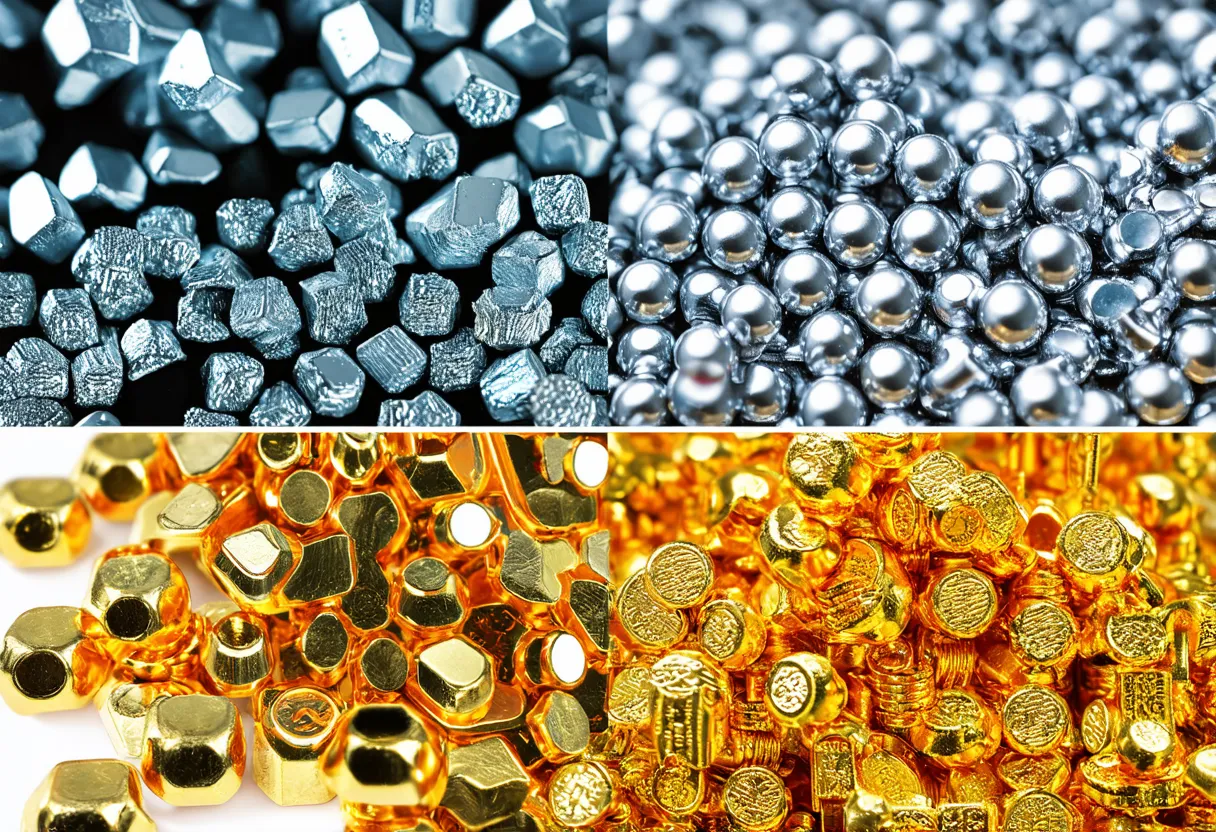
Import activities in North Macedonia are crucial, accounting for about 70.6% of GDP, totaling approximately $11.97 billion (As of 2024).
North Macedonia’s key import activities include platinum, refined petroleum, electricity, and precious metal compounds. Major import partners are the UK, Greece, Germany, Serbia, and China, with the UK accounting for 16% of imports.
Exports Activities of North Macedonia

In North Macedonia, exports amounted to approximately $8.42 billion, representing about 49.7% of GDP (As of 2024). This high percentage underscores the critical importance of export activities in driving the country’s economic growth and stability.
North Macedonia primarily exports reaction and catalytic products, insulated wire, electricity, garments, and vehicle parts/accessories. Its key export partners are Germany (about 40%), Serbia (about 11%), Bulgaria (about 6%), Hungary (about 4%), and the Czech Republic (about 4%) (As of 2024). These exports play a crucial role in the country’s economy, facilitating trade and strengthening diplomatic relations with its partners.
North Macedonia economy challenges in 2024
North Macedonia faces challenges in 2024 as it recovers from energy-driven inflation. Despite IMF and EU support, progress on EU accession is stalled. Deficit spending on public works hampers fiscal consolidation. Emigration, low productivity, and governance issues pose structural challenges.
Sources
Last updated: October 2026



Leave a Reply