
Key Economic Insights: The economy of Rwanda generates an estimated GDP of $14.25 billion ($1,030 per capita) supporting a population of 13.8 million.
Rwanda, with a population of about 13.8 million (2024), is ranked 73rd in the world, just behind Guinea. Located in East Africa, it covers 26,340 square kilometers, ranking 138th globally, below Haiti.
As of 2024, Rwanda’s GDP is approximately 14.25 billion USD (World Bank). The GDP per capita in Rwanda is about 1,030 USD as of 2024.
Rwanda’s economic position reflects steady growth and development efforts, with the economy expanding by roughly 8.9% in 2024, and continued potential for further advancement across multiple sectors.
Rwanda Economic Structure & Sector Analysis
| Economic Dimension | Figure | Authoritative Source |
|---|---|---|
| GDP & Macro Output | Nominal GDP: $14.25 billion | Per Capita: $1,030 | World Bank WDI / IMF |
| Demographics & Labor | Population: 13.8 million | ILO / UN Population Division |
- Primary activities: about 25% of GDP (2024).
- Secondary activities: about 21% of GDP (2024).
- Tertiary activities: about 48% of GDP (2024).

Primary Sector of Rwanda
With 81.25% of the land dedicated to agriculture, the country produces a diverse range of crops like bananas, cassava, sweet potatoes, maize, and beans. Animal products such as milk and meat also play a significant role.
As of 2024, agriculture contributes about 25% of GDP, and it remains crucial for food security and employment. The variety of crops and animal products underscores the sector’s importance in sustaining Rwanda’s agricultural economy.
The country’s geological diversity provides a rich array of natural resources, including gold, cassiterite, wolframite, methane, hydropower, and vast arable land. These resources drive the economy through mining, energy production, and agriculture, contributing significantly to the country’s economic growth and sustainability.
Secondary Sector of Rwanda
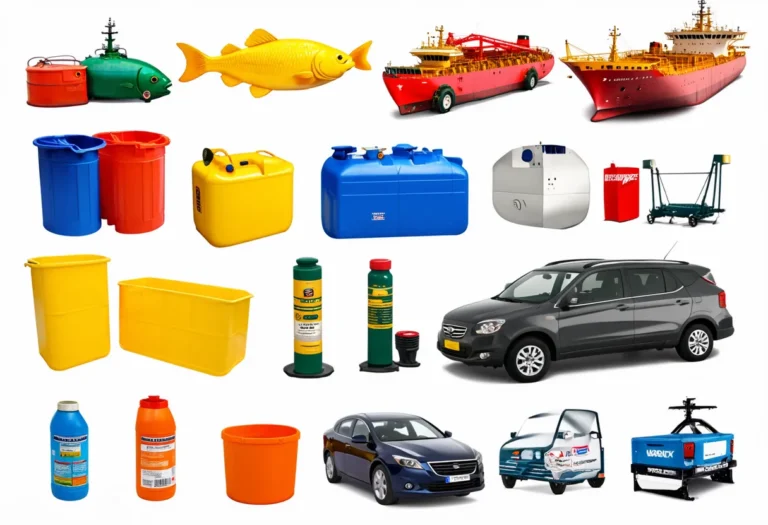
In Rwanda, the main industrial products include cement, agricultural products, small-scale beverages, soap, furniture, shoes, plastic goods, textiles, and cigarettes. These products are manufactured for domestic sale and export, contributing to the country’s economy and industrial development.
Manufactures in Rwanda’s total exports hold a modest share of 10.38% in 2023, indicating their relatively minor significance in the country’s export economy.
Tertiary sector of Rwanda
The tertiary sector in Rwanda encompasses services that offer knowledge and time to enhance productivity and meet needs. Key activities include healthcare, education, banking, communication, tourism, transportation, and security. These services contribute to the country’s economic growth and development by providing essential intangible goods such as expertise and information.
Of particular importance, Rwanda’s economy significantly benefits from tourism, contributing substantially to GDP. As of 2024, Rwanda welcomed about 1.36 million visitors, generating roughly USD 647 million in tourism revenue (Rwanda Development Board), and the sector thrives. Notable attractions include the stunning Volcanoes National Park, renowned for gorilla trekking, and the vibrant capital, Kigali, showcasing the nation’s rich culture.
Another example of tertiary economic activity is the mobile cellular sector, with 11 million subscriptions supporting technological growth. This connectivity fosters innovation, enhances communication, and drives digital services.
Military Activities and Economic Sectors of Rwanda
In the primary sector, resources are extracted for military use. The secondary sector focuses on making military equipment. The tertiary sector includes services provided by the military, while the quaternary sector deals with military research and development. Lastly, the quinary sector involves high-level military decision-making and strategy.
As of 2024, Rwanda’s military expenditure was about $175 million (SIPRI), roughly 1.2-1.4% of GDP. The active military force consists of about 33,000 personnel, or roughly 2.4 active members for every 1,000 people in the country.
Biggest company in Rwanda
One of the largest companies in Rwanda is BK Group Plc (Bank of Kigali), the country’s biggest commercial bank by total assets, which stood at roughly RWF 2.9 trillion (about $2 billion) as of mid-2025. Listed on the Rwanda Stock Exchange and founded in 1966, it operates in the tertiary (financial services) sector and plays a vital role in the economy.
International Trade of Rwanda
Import Activities of Rwanda

Rwanda’s import activities are crucial. As of 2024, total merchandise imports were about $6.88 billion, up 11.2% from roughly $6.19 billion in 2023 (NISR).
Rwanda’s key import activities include refined petroleum, gold, palm oil, rice, and raw sugar. The country’s major import partners are China (19%), Tanzania (11%), Kenya (10%), UAE (10%), and India (7%).
Exports Activities of Rwanda
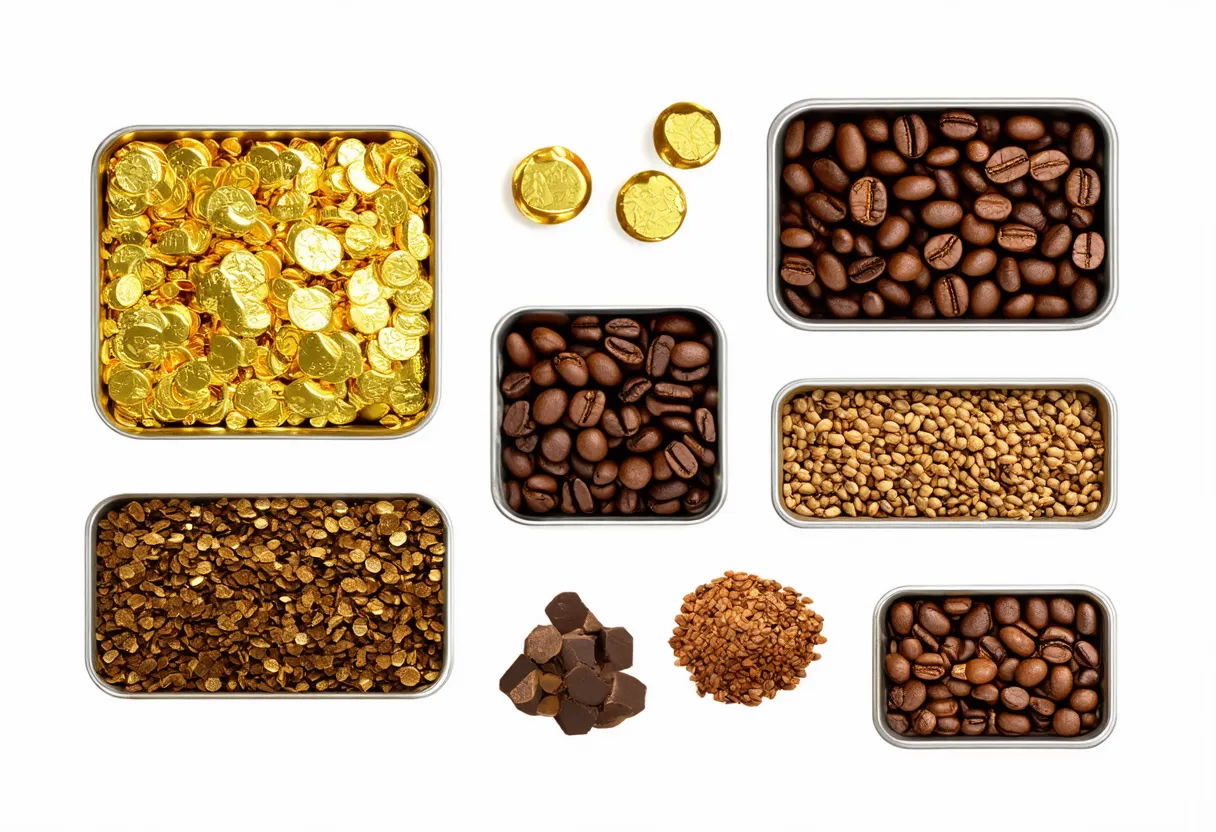
As of 2024, Rwanda’s total merchandise exports amounted to about $3.16 billion, a 27.4% increase from roughly $2.48 billion in 2023 (NISR). Export activities play a significant role in driving the country’s economic growth, though Rwanda runs a sizeable trade deficit.
Rwanda’s export activities are diverse, with major partners including UAE and DRC. Key exports include gold, tin ores, coffee, and rare earth ores, highlighting the country’s mineral and agricultural wealth.
Rwanda economy challenges in 2024
Rwanda’s fast-growing economy faces challenges in 2024. Public investments are key, but trade and tourism suffer from COVID-19 impact. Poverty is rising after years of decline. Competition with Uganda for regional influence adds pressure. As a major coffee exporter, GDP figures are disputed, adding complexity to the situation.
Sources
- World Bank: Rwanda
- IMF: Rwanda
- CIA World Factbook: Rwanda
- National Institute of Statistics of Rwanda (NISR)
- Rwanda Development Board (RDB)
- SIPRI Military Expenditure Database
Last updated: August 2026


Leave a Reply