
Key Economic Insights: The economy of Russia generates an estimated GDP of $2.17 trillion ($14,889 per capita) supporting a population of 144,236,933. Productive output is anchored by 62.3% services, 32.4% industry and manufacturing, and 4.7% agriculture and natural resource extraction. Key merchandise exports include Manufactured goods, mineral resources, and agricultural commodities, directed primarily toward Global and regional trade partners.
As of 2024, the Russian Federation had a GDP of approximately $2.17 trillion (World Bank), placing it among the ten largest economies in the world. In terms of GDP per capita, Russia stood at about $14,889 in 2024 (World Bank).
Despite its significant GDP, Russia faces challenges in diversifying its economy and reducing its dependence on oil and gas exports. The country’s economic position is influenced by factors such as geopolitical tensions, economic sanctions, and internal reforms.
Russia Economic Structure & Sector Analysis
| Economic Dimension | Official Indicator (2024–2026) | Authoritative Source |
|---|---|---|
| GDP & Macro Output | Nominal GDP: $2.17 trillion | Per Capita: $14,889 | World Bank WDI / IMF |
| Sector Breakdown | Services: 62.3% | Industry: 32.4% | Agriculture: 4.7% | World Bank National Accounts |
| Trade & Commodities | Top Exports: Manufactured goods, mineral resources, and agricultural commodities (Total: $149 billion) | UN Comtrade / OEC |
| Demographics & Labor | Population: 144,236,933 | Distributed workforce across formal & primary sectors | ILO / UN Population Division |
| Strategic Trade Corridors | Leading Trade Partners: Global and regional trade partners | World Bank WITS / IMF DOTS |
- Primary activities: 4.7% of GDP.
- Secondary activities: 32.4% of GDP.
- Tertiary activities: 62.3% of GDP.
Primary Sector of Russia
With 13.16% of its land dedicated to agriculture, the country produces a variety of crops and animal products, including wheat, sugar beets, milk, barley, potatoes, sunflower seeds, maize, soybeans, chicken, and pork.
Despite agriculture contributing 4.7% to the GDP, it plays a crucial role in the economy by providing a wide range of products. The top ten agricultural products based on tonnage highlight the significance of agriculture in Russia, showcasing the importance of both crop cultivation and animal husbandry in the country’s agricultural sector.
The country boasts a diverse geological landscape, offering a wide range of natural resources like oil, natural gas, coal, bauxite, rare earth elements, and timber. However, the challenging climate, terrain, and vast distances pose significant obstacles to resource exploitation, impacting the economy.Russia’s oil production, ranking 2nd globally, reaches around 10.1 million barrels per day, with reserves of 80 billion barrels, accounting for 4.81% of the world’s oil reserves.Russia’s gas production plays a crucial role in the economy, with 701.7 billion m³ produced in 2020, ranking 2nd globally.Secondary Sector of Russia
In Russia, main industrial products include transmitting equipment, medical and scientific instruments, consumer durables, textiles, foodstuffs, and handicrafts.In 2023, Russia’s manufacturing exports accounted for a small percentage of the country’s total exports, indicating their relatively minor importance in driving the economy.Tertiary sector of Russia

Military Activities and Economic Sectors of Russia
In the primary sector, resources are extracted for military use, like metals for weapons. The secondary sector focuses on manufacturing military equipment, such as tanks and aircraft. The tertiary sector includes services provided by the military, like logistics and training. The quaternary sector involves research and development for new technologies, while the quinary sector deals with high-level military strategy and decision-making.
As of 2024, Russia’s military expenditure was about $149 billion, equal to roughly 7.1% of its GDP (SIPRI). The active military force consists of around 1,100,000 personnel, or about 7.6 active military members for every 1,000 people in the country.
Biggest company in Russia
Which is the biggest company in Russia? As of 2024, the largest company by revenue is Gazprom, the state-controlled energy giant, which reported revenue of about RUB 10.7 trillion (roughly $115 billion) in 2024. It operates in the energy industry, focusing on natural gas and oil production and transport. Gazprom was founded in 1989 and plays a vital role in the country’s economy.International Trade of Russia
Import Activities of Russia
 Russia’s import activities are of high importance, with total imports in 2023 reaching $34.92 billion, accounting for 15.59% of the country’s GDP.Russia’s import activities are significant, with China being the largest partner at 39%. Other key partners include Germany, Turkey, Kazakhstan, and South Korea. Import commodities include packaged medicine, broadcasting equipment, cars, garments, and plastic products.
Exports Activities of Russia
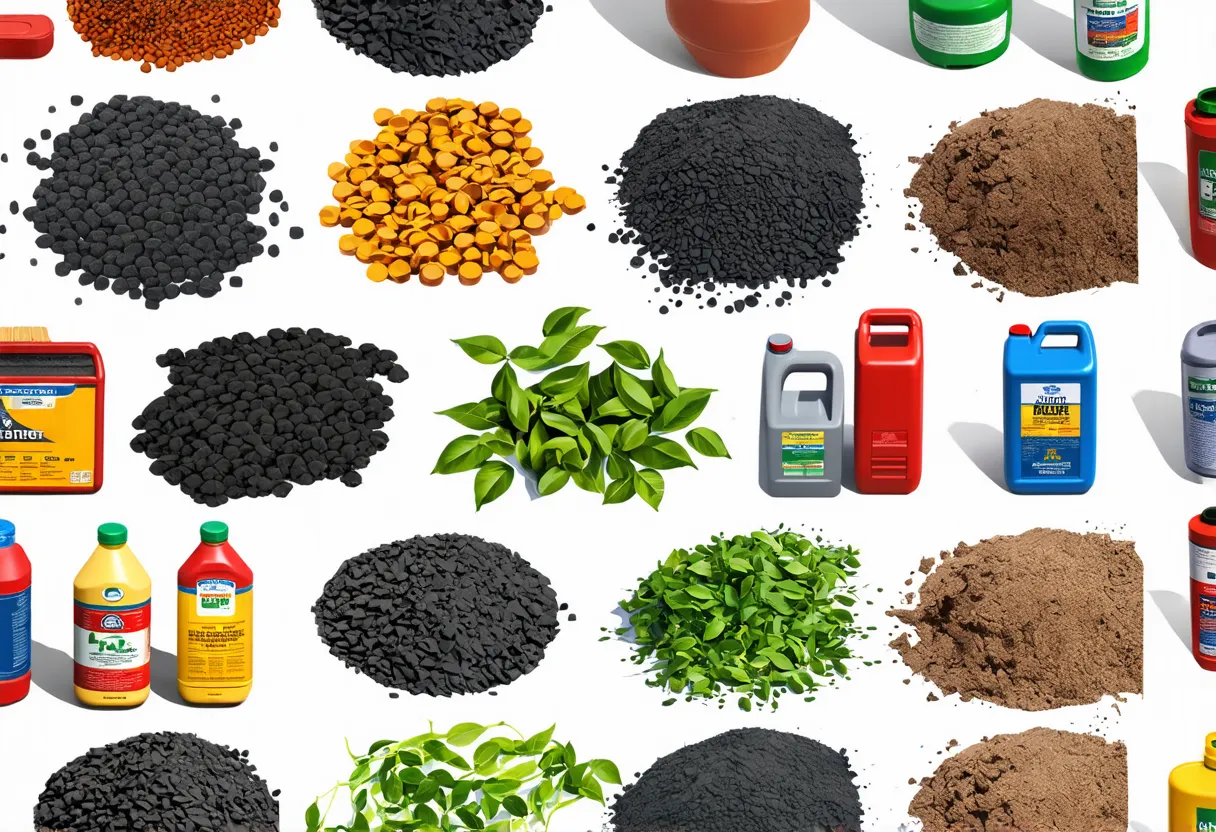 In 2023, Russia’s total exports amounted to 631.55 billion USD, accounting for 28.19% of its GDP. This signifies a medium level of importance, indicating a significant contribution to the country’s economy.Russia’s export activities are significant, with China being the largest partner at 21%, followed by India at 8%, Germany at 6%, Turkey at 5%, and Italy at 5%. The country mainly exports crude petroleum, natural gas, refined petroleum, coal, and fertilizers.
Russia economy challenges in 2024
Russia, a natural resource-rich Eurasian economy, faces challenges in 2024. Endemic corruption, the Ukrainian invasion, and lack of green infrastructure limit investment. Sanctions due to decreased oil export reliance add to the struggle.Sources
- World Bank: Russian Federation
- IMF: Russian Federation
- CIA World Factbook: Russia
- UN Comtrade Plus: Trade Flow
- SIPRI Military Expenditure Database
Last updated: August 2026



Leave a Reply