
Key Economic Insights: The economy of Greece generates an estimated GDP of $256.24 billion ($24,626 per capita) supporting a population of 10,405,134. Productive output is anchored by 79.1% services, 16.9% industry and manufacturing, and 4.1% agriculture and natural resource extraction. Key merchandise exports include Manufactured goods, mineral resources, and agricultural commodities, directed primarily toward Global and regional trade partners.
As of 2024, Greece had a GDP of $256.24 billion, ranking around 53rd globally. The GDP per capita for Greece stood at approximately $24,626 in 2024. (World Bank)
Despite facing challenges, Greece continues to navigate its economic landscape with resilience, seeking avenues for growth and stability in the global market.
Greece Economic Structure & Sector Analysis
| Economic Dimension | Official Indicator (2024–2026) | Authoritative Source |
|---|---|---|
| GDP & Macro Output | Nominal GDP: $256.24 billion | Per Capita: $24,626 | World Bank WDI / IMF |
| Sector Breakdown | Services: 79.1% | Industry: 16.9% | Agriculture: 4.1% | World Bank National Accounts |
| Trade & Commodities | Top Exports: Manufactured goods, mineral resources, and agricultural commodities (Total: $7.73 billion) | UN Comtrade / OEC |
| Demographics & Labor | Population: 10,405,134 | Distributed workforce across formal & primary sectors | ILO / UN Population Division |
| Strategic Trade Corridors | Leading Trade Partners: Global and regional trade partners | World Bank WITS / IMF DOTS |
- Primary activities: 4.1% of GDP.
- Secondary activities: 16.9% of GDP.
- Tertiary activities: 79.1% of GDP.
Primary Sector of Greece
With 45.52% of the country’s land dedicated to agriculture, Greece produces a variety of crops and animal products. The main agricultural products include maize, wheat, sheep milk, peaches/nectarines, oranges, grapes, tomatoes, milk, watermelons, and potatoes.
Despite agriculture contributing 4.1% to the GDP, these products play a crucial role in the country’s economy. The sector’s significance lies in the variety and quality of its produce, highlighting the importance of agriculture in Greece.
With a diverse geological landscape, the primary sector thrives on abundant natural resources like lignite, petroleum, iron ore, bauxite, and more. These resources fuel the economy and boost industries, especially mining and energy production, making a significant impact on the country’s economic growth.Despite its relatively low oil production levels, Greece plays a minor role in the global oil market, ranking 65th worldwide. With reserves of 10 million barrels, the country contributes minimally to the world’s oil supply, holding just 0.1% of global reserves.Greece’s natural gas production in 2020 reached 4 million m³, securing its position as the 98th largest producer globally. This production plays a crucial role in the country’s energy sector, contributing to its economic activity and overall growth.Secondary Sector of Greece
The secondary sector involves industries that create finished products ready for consumption. They take raw materials from primary activities and manufacture new goods for domestic sale or export. In Greece, the main industrial products include food and tobacco processing, textiles, chemicals, metal products, and petroleum.Manufactures in Greece’s total exports are not as significant, accounting for only 36.25% in 2023. Other sectors may play a more crucial role in driving the country’s export economy.Tertiary sector of Greece

Military Activities and Economic Sectors of Greece
In Greece, the primary sector helps by providing resources for military use, like metals for weapons. The secondary sector is important too, as it manufactures military equipment. The tertiary sector offers services, while the quaternary sector focuses on military research and development. Lastly, the quinary sector involves high-level decision making and strategy in the military.
In 2023, Greece’s military expenditure was about $7.73 billion, which is 3.69% of its GDP. The active military force consists of 142,700 personnel, giving a ratio of 34.2 active military members per 1,000 people in the country.
Biggest company in Greece
Which is the biggest company in Greece? By revenue, the largest company is HELLENiQ ENERGY (formerly Hellenic Petroleum), which reported revenue of about €12.8 billion in 2024. It operates in the oil refining and energy industry, part of the secondary economic sector, and is headquartered in Athens. (HELLENiQ ENERGY)International Trade of Greece
Import Activities of Greece
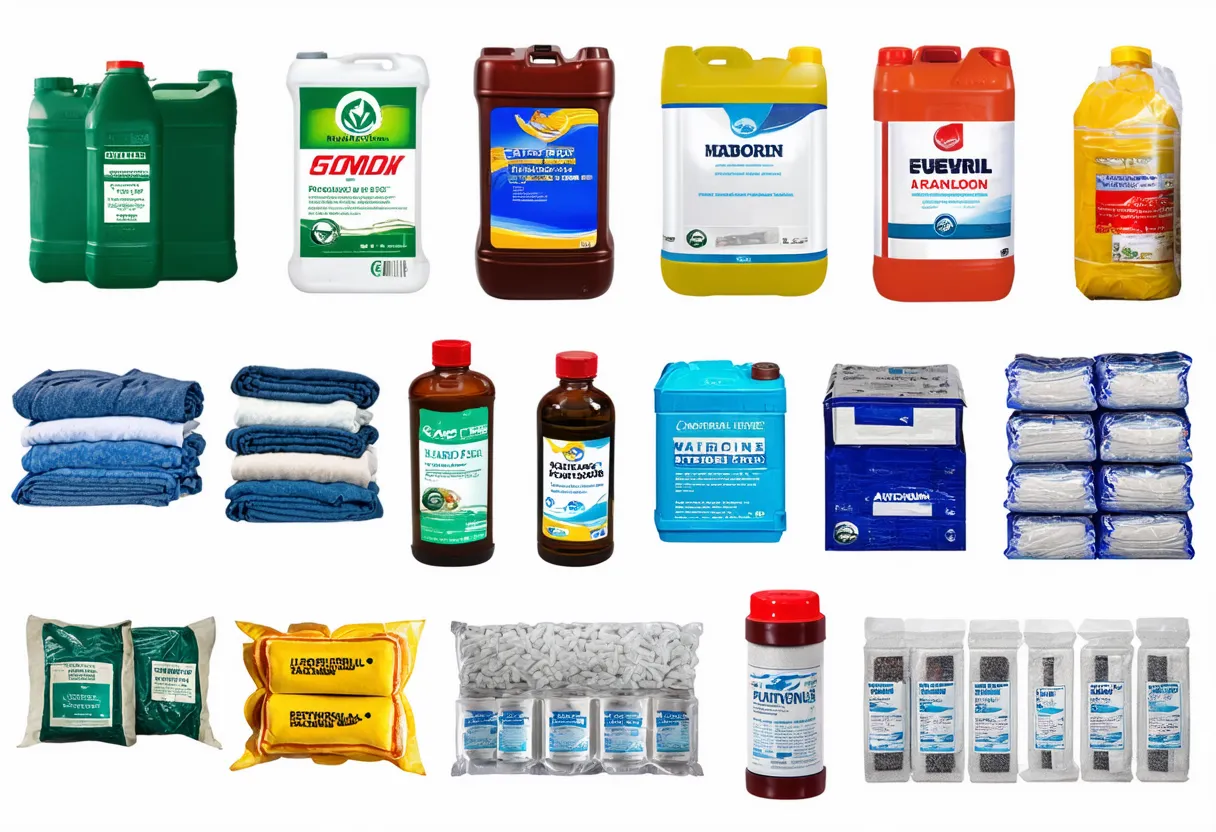 Greece’s high import activities, accounting for about 58.86% of GDP (2023, goods and services), are crucial for meeting domestic demand and fueling economic growth.Greece’s import activities are diverse, with key partners like China, Germany, Russia, Italy, and Iraq. Main imports include crude petroleum, natural gas, refined petroleum, garments, and packaged medicine.
Exports Activities of Greece
 Export activities in Greece are highly important, accounting for 49.14% of GDP in 2023. Total exports reached $55.05 billion, signifying a vital economic driver for the country.Greece’s export activities are diverse, with key partners including Italy, Bulgaria, Germany, Cyprus, and Turkey. Major export commodities include refined petroleum, packaged medicine, aluminum, natural gas, and plastic products.
Greece economy challenges in 2024
Greece, despite its developed economy, faces challenges in 2024. High public debt persists, alongside negative household savings and high unemployment rates. Corruption and competitiveness gaps pose additional hurdles despite post-COVID growth.Sources
Last updated: August 2026



Leave a Reply