
Key Economic Insights: The economy of Serbia generates an estimated GDP of $89.08 billion ($13,524 per capita) supporting a population of 6,664,449. Productive output is anchored by 49.1% services, 41.1% industry and manufacturing, and 9.8% agriculture and natural resource extraction. Key merchandise exports include Manufactured goods, mineral resources, and agricultural commodities, directed primarily toward Global and regional trade partners.
As of 2024, Serbia’s GDP was approximately $89.08 billion (World Bank), with a GDP per capita of about $13,524.
Despite facing challenges, Serbia’s economy continues to grow steadily, with a focus on sectors like manufacturing, agriculture, and services contributing to its overall economic stability.
Serbia Economic Structure & Sector Analysis
| Economic Dimension | Official Indicator (2024–2026) | Authoritative Source |
|---|---|---|
| GDP & Macro Output | Nominal GDP: $89.08 billion | Per Capita: $13,524 | World Bank WDI / IMF |
| Sector Breakdown | Services: 49.1% | Industry: 41.1% | Agriculture: 9.8% | World Bank National Accounts |
| Trade & Commodities | Top Exports: Manufactured goods, mineral resources, and agricultural commodities (Total: $42.26 billion) | UN Comtrade / OEC |
| Demographics & Labor | Population: 6,664,449 | Distributed workforce across formal & primary sectors | ILO / UN Population Division |
| Strategic Trade Corridors | Leading Trade Partners: Global and regional trade partners | World Bank WITS / IMF DOTS |
- Primary activities: 9.8% of GDP.
- Secondary activities: 41.1% of GDP.
- Tertiary activities: 49.1% of GDP.
Primary Sector of Serbia
With 41.44% of the country’s land dedicated to agriculture, Serbia produces a variety of crops and animal products. The main agricultural products include maize, wheat, sugar beets, milk, sunflower seeds, potatoes, plums, apples, barley, and soybeans.
Despite contributing 9.8% to the GDP, agriculture plays a crucial role in the economy by providing employment and sustaining rural communities. The diverse range of products highlights the sector’s importance and resilience in Serbia’s agricultural landscape.
The diverse geological landscape in Serbia provides a rich array of natural resources, including oil, gas, coal, iron ore, copper, zinc, and more. These resources play a crucial role in the economy, driving sectors such as mining, energy production, and agriculture, leveraging the country’s abundant arable land for agricultural productivity.Serbia’s oil production of around 15,199 barrels per day places it at the 52nd position in the world ranking. With oil reserves of 77.5 million barrels, the country holds 0.0% of the world’s oil reserves, contributing significantly to its economic activity.Serbia’s natural gas production of 586 million m³ in 2020 ranks it 71st in the world. This production contributes significantly to the country’s economic activity, supporting industries such as manufacturing, transportation, and residential energy consumption. The availability of natural gas resources in Serbia helps reduce dependency on imports and strengthens the country’s energy security.Secondary Sector of Serbia
In Serbia, the main industrial products include automobiles, base metals, furniture, food processing, machinery, chemicals, sugar, tires, clothes, and pharmaceuticals. These goods are manufactured for domestic consumption and export, contributing significantly to the country’s economy.In 2023, Serbia’s manufactures exports accounted for only a small percentage of the total exports, indicating their limited significance in driving the country’s economy.Tertiary sector of Serbia
Military Activities and Economic Sectors of Serbia
In the primary sector, resources are extracted for military use, like metals for weapons. The secondary sector includes the manufacturing of military equipment, such as vehicles and weapons. The military also provides services in the tertiary sector, while the quaternary sector focuses on research and development for advanced technology. Lastly, high-level decisions in the quinary sector shape military strategy.
As of 2024, Serbia’s annual military expenditure was approximately 2,323 million US dollars, around 2.6% of GDP (SIPRI). The active military force consists of roughly 22,500 personnel.
International Trade of Serbia
Import Activities of Serbia
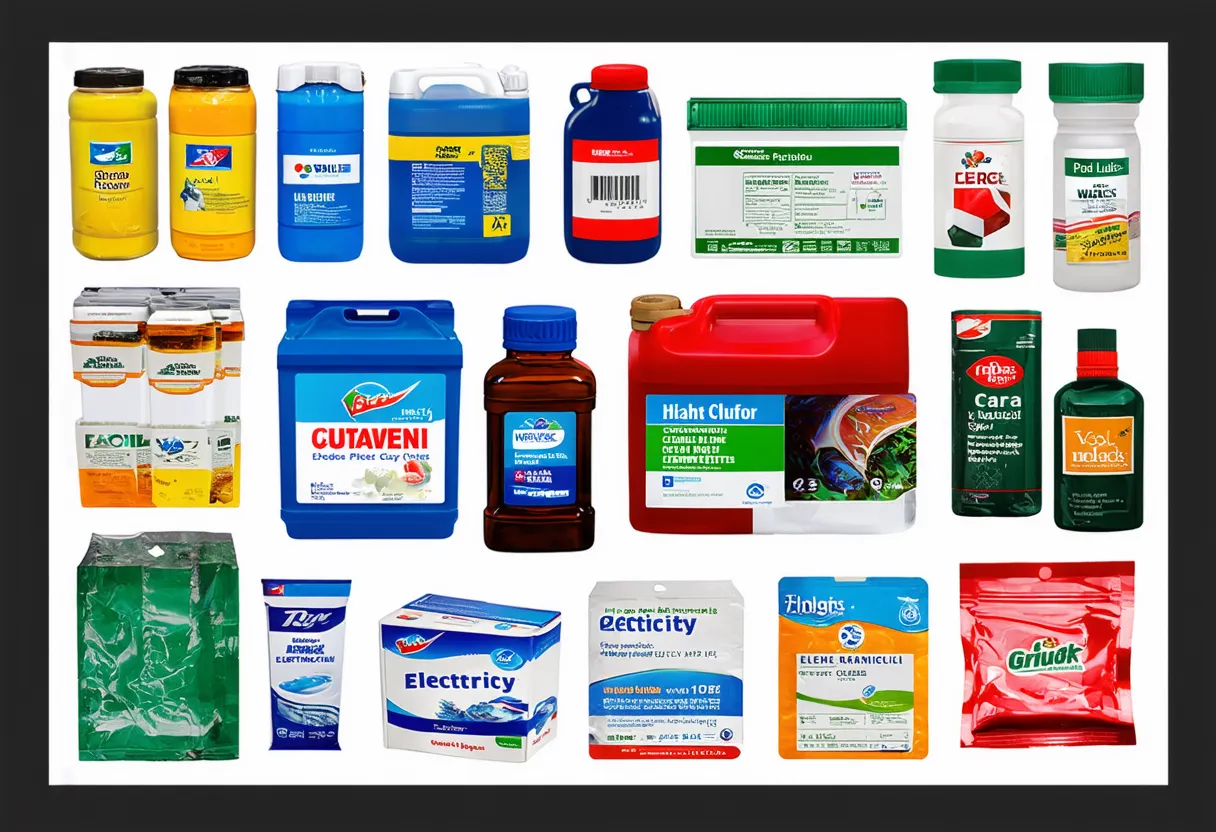 As of 2024, Serbia’s imports totaled approximately $42.26 billion, equal to about 47% of GDP (Statistical Office of the Republic of Serbia).Serbia’s key import activities include electricity, crude petroleum, natural gas, plastic products, and packaged medicine. Its top import partners are Germany (11%), China (8%), Hungary (8%), Russia (7%), and Italy (6%).
Exports Activities of Serbia
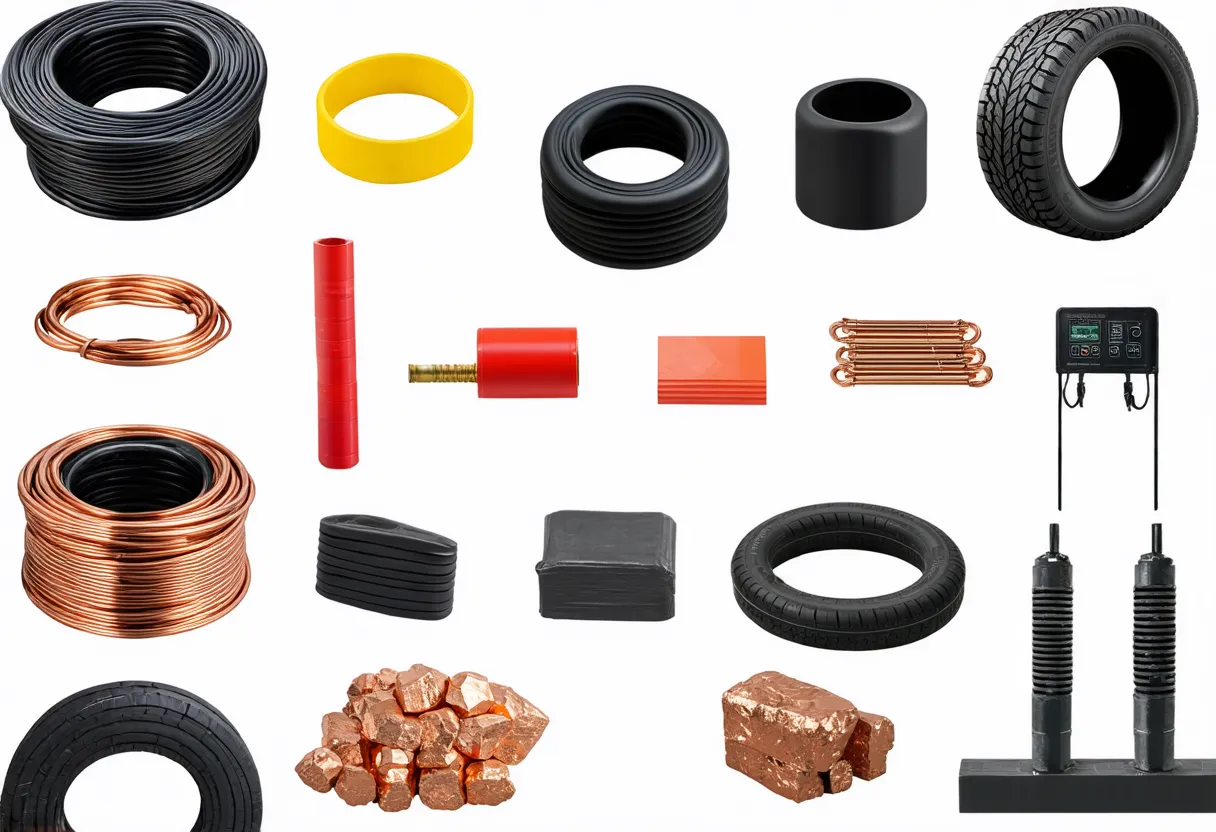 As of 2024, Serbia’s total exports reached approximately $33.04 billion, equal to about 37% of GDP, playing a crucial role in driving the country’s economy (Statistical Office of the Republic of Serbia).Serbia’s export activities are diverse, with top partners being Germany, Bosnia and Herzegovina, Italy, Hungary, and Romania. Key commodities include insulated wire, copper ore, plastic products, electricity, and rubber tires.
Serbia economy challenges in 2024
Serbia, an upper middle-income Balkan economy, faces challenges in 2024. Despite being an EU accession candidate, it struggles with the aftermath of COVID-19, aiming for green growth. Managing public debt and fighting corruption are priorities. Unemployment is decreasing, but energy dependency persists. Strong historic ties with Russia add complexity to its path forward.Sources
- World Bank: Serbia
- CIA World Factbook: Serbia
- IMF: Serbia
- Statistical Office of the Republic of Serbia
- SIPRI Military Expenditure Database
Last updated: August 2026

Leave a Reply