
Developed countries have high incomes, advanced industry and services, and high living standards; developing countries have lower incomes and rely more on agriculture. There is no single official list: the World Bank sorts economies by income, the IMF by “advanced” vs “emerging”, and the UN by the Human Development Index.
What is the difference between developed and developing countries?
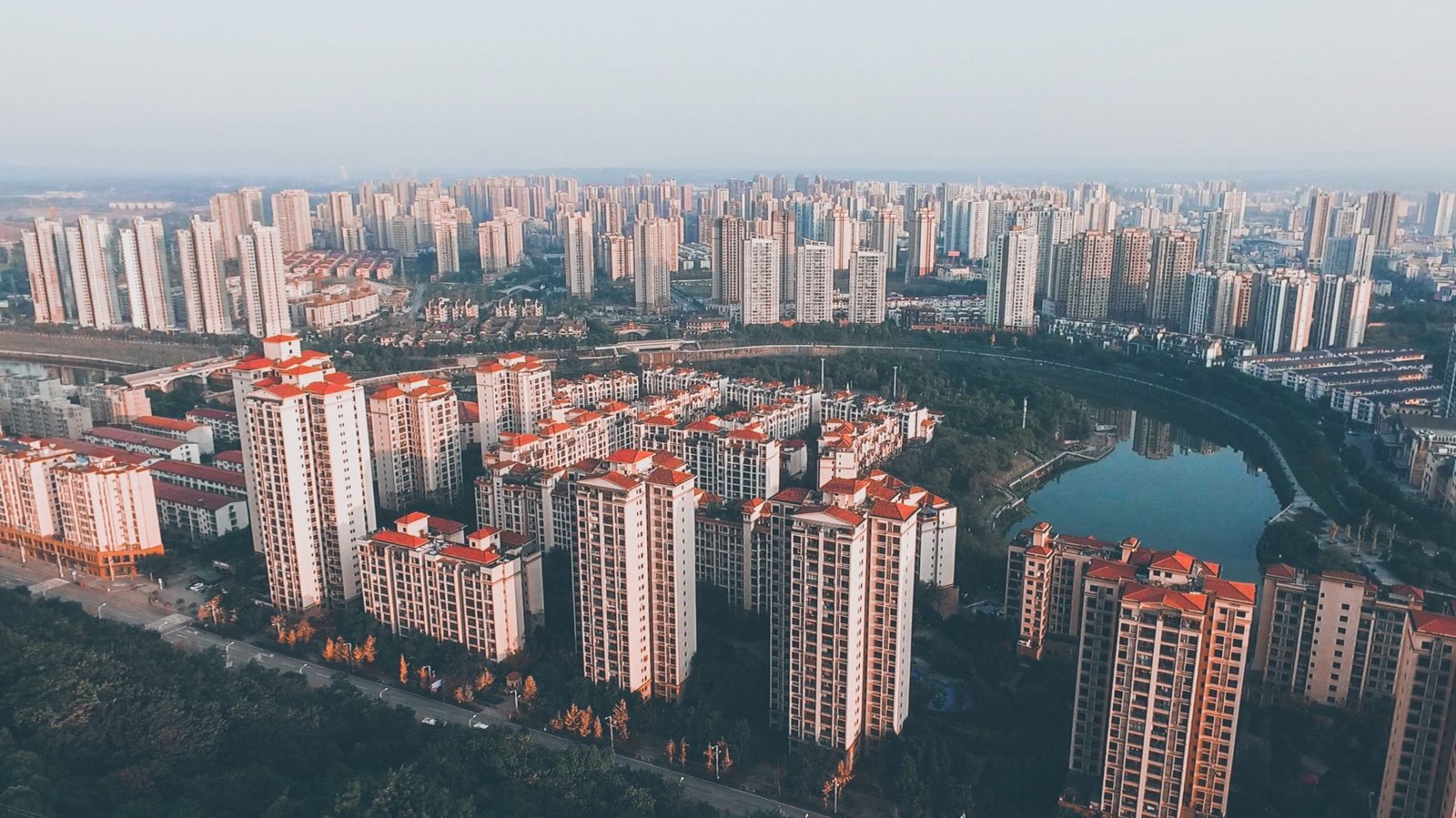
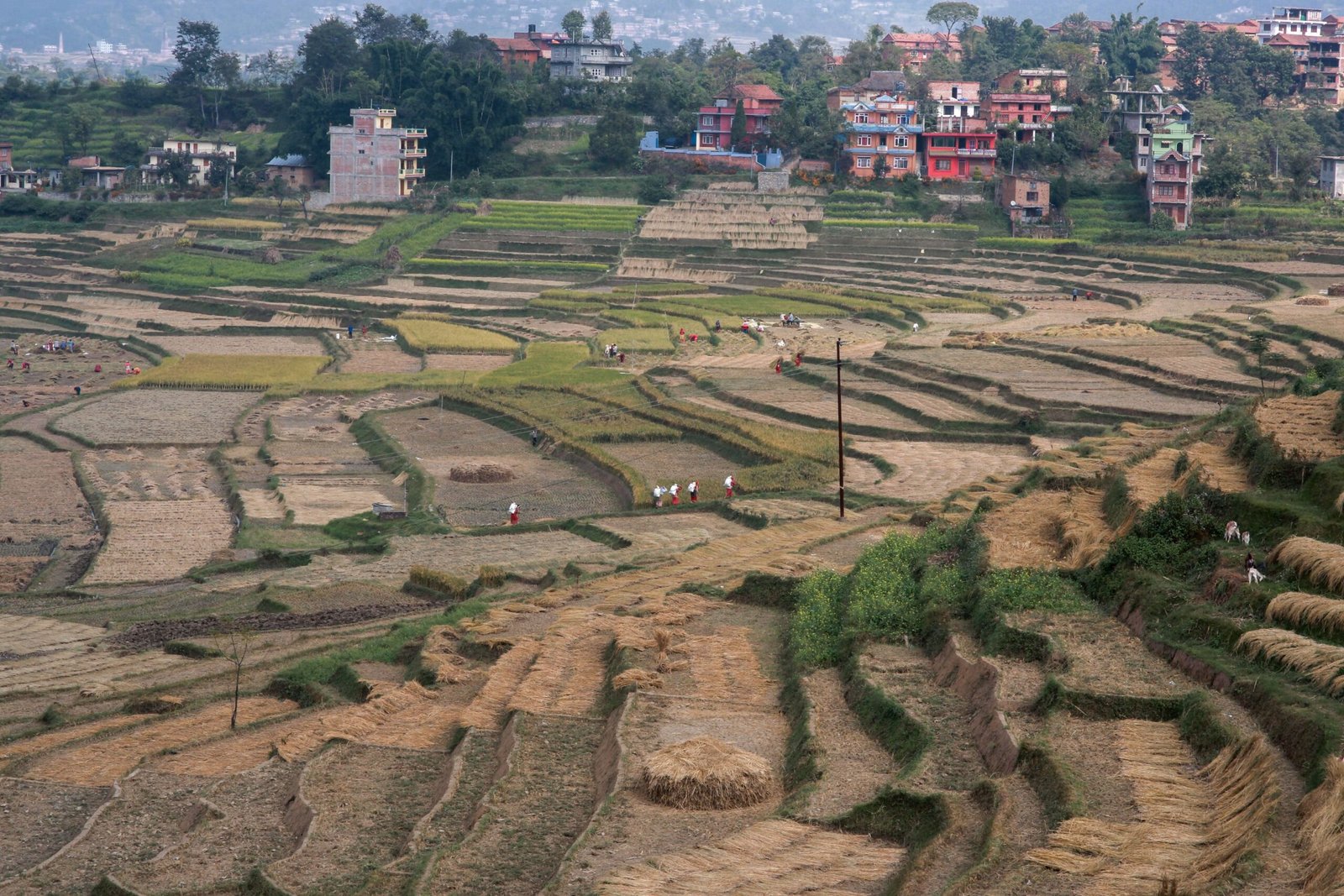
A developed country has a high income per person, a diversified economy led by services and advanced industry, and strong health and education outcomes. A developing country has a lower income and depends more on agriculture and primary activities. Importantly, there is no single official split — different bodies draw the line differently.
How are countries classified?
Three systems dominate. The World Bank sorts economies by gross national income per capita, with high-income economies above about $14,375 (World Bank, latest). The IMF splits the world into “advanced economies” — about 40-plus countries — and “emerging and developing economies” (IMF, 2026). The UN ranks countries by the Human Development Index, which blends health, education and income into one score (UNDP).
| Indicator | Developed | Developing |
|---|---|---|
| GNI per capita (World Bank) | High income (> ~$14,375) | Low to middle income |
| Human Development Index | Very high, e.g. Iceland 0.972 | Low, e.g. South Sudan 0.388 |
| Life expectancy | ~80–81 years | ~64–65 years (low income) |
| Main economic sector | Services and advanced industry | Agriculture and emerging industry |
Sources: World Bank (income), UNDP Human Development Report 2025 (HDI), OECD/World Bank (life expectancy).
Examples of developed and developing countries
At the top of the Human Development Index sits Iceland, with a score of 0.972, followed by Norway and Switzerland at 0.970 (UNDP, 2025). These are wealthy, service-based, high-life-expectancy economies. At the other end, South Sudan (0.388), Somalia and the Central African Republic rank lowest, with economies still built on subsistence agriculture and life expectancy roughly 15 years shorter than in rich nations.
Key takeaways
- Developed countries have high incomes and service-led economies; developing countries have lower incomes and rely more on agriculture.
- There is no single official list — the World Bank uses income, the IMF uses advanced vs emerging, the UN uses the HDI.
- High-income economies exceed about $14,375 GNI per capita (World Bank).
- HDI runs from Iceland (0.972) to South Sudan (0.388) (UNDP, 2025).
Frequently asked questions
Is China a developed or developing country?
China is classified as a developing (upper-middle-income) economy by the World Bank and an emerging economy by the IMF, despite having the world’s second-largest GDP. Its income per person is still well below high-income thresholds.
Which countries are high-income?
Around 87 economies are high-income, including the United States, Germany, Japan, Australia and most of Western Europe. The World Bank sets the high-income line at roughly $14,375 of GNI per capita.
Is “Third World” the same as developing?
Not exactly. “Third World” was a Cold War political term for countries aligned with neither the West nor the Soviet bloc. Today “developing” or “low- and middle-income” are the accurate, non-political replacements.
Sources
- World Bank, Country and lending groups (income thresholds) — retrieved 2026-07-04 — worldbank.org
- UNDP, Human Development Report 2025 (HDI) — retrieved 2026-07-04 — hdr.undp.org
- IMF, World Economic Outlook, Groups and aggregates — retrieved 2026-07-04 — imf.org
- OECD, Society at a Glance 2024 (life expectancy) — retrieved 2026-07-04 — oecd.org
- Our World in Data, World Bank income groups explained — retrieved 2026-07-04 — ourworldindata.org
Last updated: July 4, 2026



Leave a Reply