
Key Economic Insights: The economy of Bulgaria generates an estimated GDP of $113.34 billion (National Accounts Tracked per capita) supporting a population of 6,437,360. Productive output is anchored by 62.58% services, 22.49% industry and manufacturing, and 2.07% agriculture and natural resource extraction. Key merchandise exports include Manufactured goods, mineral resources, and agricultural commodities, directed primarily toward Global and regional trade partners.
Bulgaria’s economic position in 2024 showcases a GDP of approximately $113.34 billion, according to World Bank data. The GDP per capita for Bulgaria in 2024 is $17,596, reflecting sustained growth compared to prior years.
Bulgaria’s economy has shown consistent improvement, driven by its integration into European supply chains, strong export performance, and a growing services sector.
Bulgaria Economic Structure & Sector Analysis
| Economic Dimension | Official Indicator (2024–2026) | Authoritative Source |
|---|---|---|
| GDP & Macro Output | Nominal GDP: $113.34 billion | Per Capita: National Accounts Tracked | World Bank WDI / IMF |
| Sector Breakdown | Services: 62.58% | Industry: 22.49% | Agriculture: 2.07% | World Bank National Accounts |
| Trade & Commodities | Top Exports: Manufactured goods, mineral resources, and agricultural commodities (Total: $46.6 billion) | UN Comtrade / OEC |
| Demographics & Labor | Population: 6,437,360 | Distributed workforce across formal & primary sectors | ILO / UN Population Division |
| Strategic Trade Corridors | Leading Trade Partners: Global and regional trade partners | World Bank WITS / IMF DOTS |
- Primary activities: 2.07% of GDP (2024).
- Secondary activities: 22.49% of GDP (2024).
- Tertiary activities: 62.58% of GDP (2024).

Primary Sector of Bulgaria
With 46.49% of the country’s land dedicated to agriculture, Bulgaria produces a diverse range of crops and animal products. Wheat, maize, sunflower seeds, milk, barley, rapeseed, potatoes, grapes, tomatoes, and chicken are among the top agricultural products.
Contributing approximately 2.07% to GDP as of 2024, agriculture remains a meaningful part of Bulgaria’s economy. The variety of crops and animal products sustains the agricultural sector and provides essential resources for the country’s food security and export industry.
The country’s diverse geology provides a rich array of natural resources, including bauxite, copper, lead, zinc, coal, timber, and arable land. These resources play a crucial role in driving the economy through mining, forestry, and agriculture, contributing significantly to the country’s GDP and employment opportunities.In addition to its mineral resources, Bulgaria also engages in oil production, with an output of around 1,000 barrels per day. Despite ranking 67th globally in oil production, the country holds reserves of 15,000,000 barrels, representing just 0.1% of the world’s total reserves.Bulgaria’s natural gas production in 2020 reached 79 million m³, ranking 84th in the world. This gas economic activity contributes to the country’s GDP and employment opportunities, further enhancing its economic stability and growth.Secondary Sector of Bulgaria
In Bulgaria, key industrial products include electricity, gas, water, food, beverages, tobacco, machinery, automotive parts, base metals, chemical products, coke, refined petroleum, nuclear fuel, and outsourcing centers.Manufactures play a crucial role in Bulgaria’s total exports, accounting for 55.02% in 2023. This highlights their significant contribution to the country’s economic growth and global trade competitiveness.Tertiary sector of Bulgaria

Military Activities and Economic Sectors of Bulgaria
In the primary sector, resources are extracted for military use. The secondary sector involves the manufacturing of military equipment. The tertiary sector includes services provided by the military, while the quaternary sector focuses on military research and development. Finally, the quinary sector deals with high-level military decision-making and strategy.
In Bulgaria, military expenditure in 2024 reached approximately 2.149% of GDP, according to World Bank/SIPRI data, up from 1.50% in 2023, driven by NATO commitments and procurement programs including F-16 aircraft and Stryker IFVs. The active military force consists of 36,950 personnel.
Biggest company in Bulgaria
Which is the biggest company in Bulgaria? By revenue, Lukoil Neftochim Burgas (the largest oil refinery in the Balkans, located in Burgas) has historically been the largest company operating in Bulgaria, with turnover of approximately €4.7 billion in 2024. However, it is owned by the Russian Lukoil group (via Swiss subsidiary Litasco) and as of November 2025 has been placed under Bulgarian state administration following U.S. sanctions. Among domestically-owned companies, Eurohold Bulgaria is the largest holding group, with consolidated revenues of approximately BGN 2.81 billion (~€1.43 billion) in 2024, operating in energy and insurance across Southeast Europe.International Trade of Bulgaria
Import Activities of Bulgaria
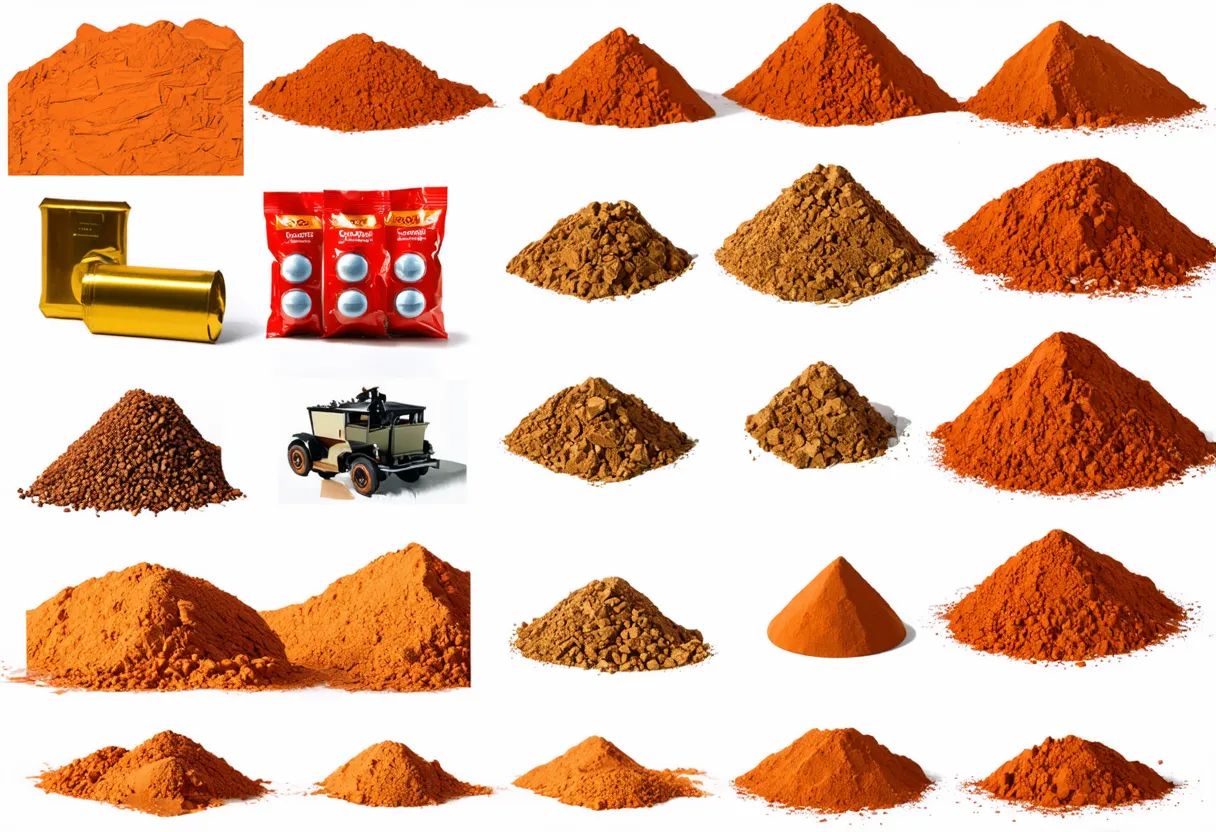 Bulgaria’s import activities in 2024 accounted for approximately 53.48% of GDP, according to World Bank data, reflecting its integration into global supply chains.Bulgaria’s key import activities include crude petroleum, natural gas, copper ore, cars, and packaged medicine. Its main import partners are Germany (10%), Turkey (9%), Romania (7%), and Greece (6%).
Exports Activities of Bulgaria
 Bulgaria’s export activities in 2024 reached approximately $46.6 billion, accounting for 55.81% of GDP, according to World Bank data. Exports play a crucial role in driving the country’s economy.Bulgaria’s export activities are diversified, with key partners including Germany (13.6%), Romania (9.2%), Italy (7.2%), Turkey (5.8%), and Greece (5.5%). The country exports refined petroleum, natural gas, garments, wheat, and refined copper.
Bulgaria economy challenges in 2025
In 2025, Bulgaria faces challenges related to energy security following the state takeover of the Lukoil Neftochim refinery, ongoing demographic decline, and the need for infrastructure modernization. The country’s gradual transition away from coal and its NATO defense spending commitments shape its economic outlook.Sources
- World Bank: Bulgaria Country Data
- IMF: Bulgaria Country Profile
- CIA World Factbook: Bulgaria
- National Statistical Institute of Bulgaria (NSI)
- UN Comtrade Plus: Trade Flow
Last updated: August 2026



Leave a Reply