
Key Economic Insights: The economy of Romania generates an estimated GDP of $376.7 billion (National Accounts Tracked per capita) supporting a population of 19,036,000. Productive output is anchored by 62.5% services, 25% industry and manufacturing, and 3.3% agriculture and natural resource extraction. Key merchandise exports include Manufactured goods, mineral resources, and agricultural commodities, directed primarily toward Global and regional trade partners.
As of 2024, Romania’s economy showed a nominal GDP of approximately $376.7 billion, ranking it among the world’s 45 largest economies. The GDP per capita for Romania in 2024 was approximately $20,175, reflecting steady growth in recent years.
Despite remaining below the EU average, Romania’s economy shows stability and continued potential for growth in the coming years.
Romania Economic Structure & Sector Analysis
| Economic Dimension | Official Indicator (2024–2026) | Authoritative Source |
|---|---|---|
| GDP & Macro Output | Nominal GDP: $376.7 billion | Per Capita: National Accounts Tracked | World Bank WDI / IMF |
| Sector Breakdown | Services: 62.5% | Industry: 25% | Agriculture: 3.3% | World Bank National Accounts |
| Trade & Commodities | Top Exports: Manufactured goods, mineral resources, and agricultural commodities (Total: $8.3 billion) | UN Comtrade / OEC |
| Demographics & Labor | Population: 19,036,000 | Distributed workforce across formal & primary sectors | ILO / UN Population Division |
| Strategic Trade Corridors | Leading Trade Partners: Global and regional trade partners | World Bank WITS / IMF DOTS |
- Primary activities: 3.3% of GDP.
- Secondary activities: 25% of GDP.
- Tertiary activities: 62.5% of GDP.

Primary Sector of Romania
With 56.85% of the country’s land dedicated to agriculture, Romania is a major producer of wheat, maize, milk, sunflower seeds, barley, potatoes, rapeseed, grapes, plums, and apples.
Despite contributing about 3.3% to the GDP, agriculture remains vital to the economy. The top ten agricultural products, based on tonnage, highlight the sector’s significance, showcasing the variety of crops and animal products that sustain Romania’s agricultural industry.
With diverse geology, the primary sector thrives on abundant natural resources like petroleum, timber, natural gas, coal, iron ore, salt, arable land, and hydropower. These resources play a vital role in driving the economy, although petroleum reserves are declining.Romania’s oil economic activity remains significant, with a daily production of around 64,790 barrels positioning it 33rd globally. Despite its reserves of 600 million barrels, representing 0.04% of the world’s total, the country faces challenges due to declining petroleum reserves.Romania’s gas production of 11.17 billion m³ in 2020 ranks 40th globally, contributing significantly to the country’s economic activity.Secondary Sector of Romania
In Romania, main industrial products include electric machinery, auto assembly, textiles, footwear, light machinery, metallurgy, chemicals, food processing, petroleum refining, timber, and construction materials.Manufactures play a crucial role in Romania’s total exports, accounting for 76.23% in 2023. This highlights their significant contribution to the country’s economy and trade balance.Tertiary sector of Romania
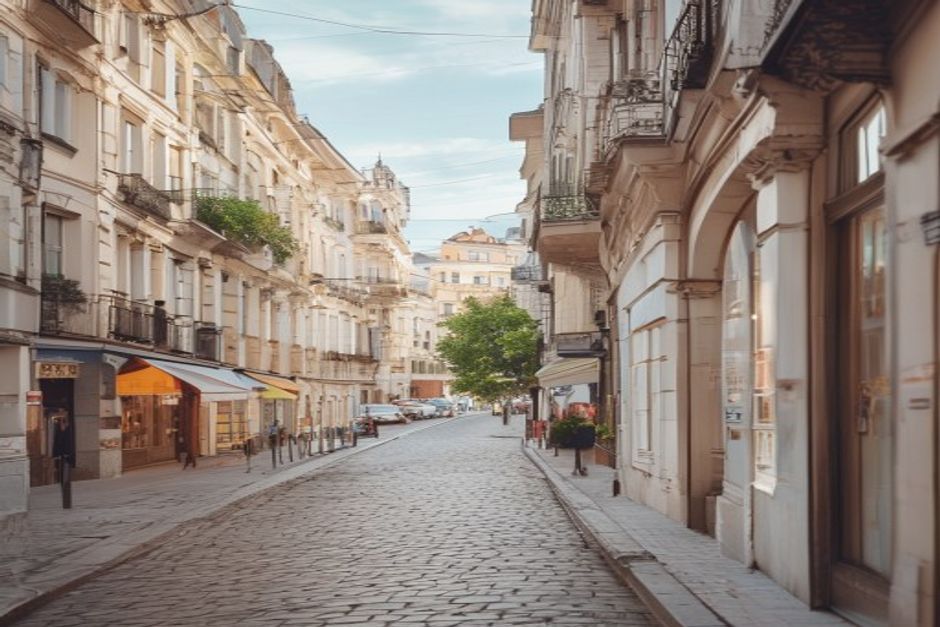
Military Activities and Economic Sectors of Romania
In the primary sector, resources are extracted for military use. The secondary sector involves the manufacturing of military equipment. The tertiary sector includes various services provided by the military. The quaternary sector focuses on military research and development, while the quinary sector deals with high-level military decision-making and strategy.
As of 2024, Romania’s military expenditure was approximately $8.3 billion, equivalent to about 2.28% of the country’s GDP, surpassing the NATO 2% threshold. The active military force consists of roughly 69,300 personnel, resulting in about 3.6 active military members per 1,000 people in the population.
Biggest company in Romania
Which is the biggest company in Romania? As of 2024, the largest company by revenue is OMV Petrom, with consolidated sales of approximately RON 35.8 billion (around EUR 7.1 billion). It operates in the oil and gas industry, which spans the primary and secondary sectors. OMV Petrom, majority-owned by Austria’s OMV, is the leading energy producer in Southeastern Europe and is headquartered in Bucharest.International Trade of Romania
Import Activities of Romania
 As of 2024, Romania’s import activities are of high importance, with total imports of goods and services reaching approximately $136 billion, accounting for around 36% of the country’s GDP.Romania’s key import activities include crude petroleum, vehicle parts/accessories, refined petroleum, packaged medicine, and cars. Its top import partners are Germany (17%), Italy (8%), Hungary (6%), Turkey (6%), and Poland (6%).
Exports Activities of Romania
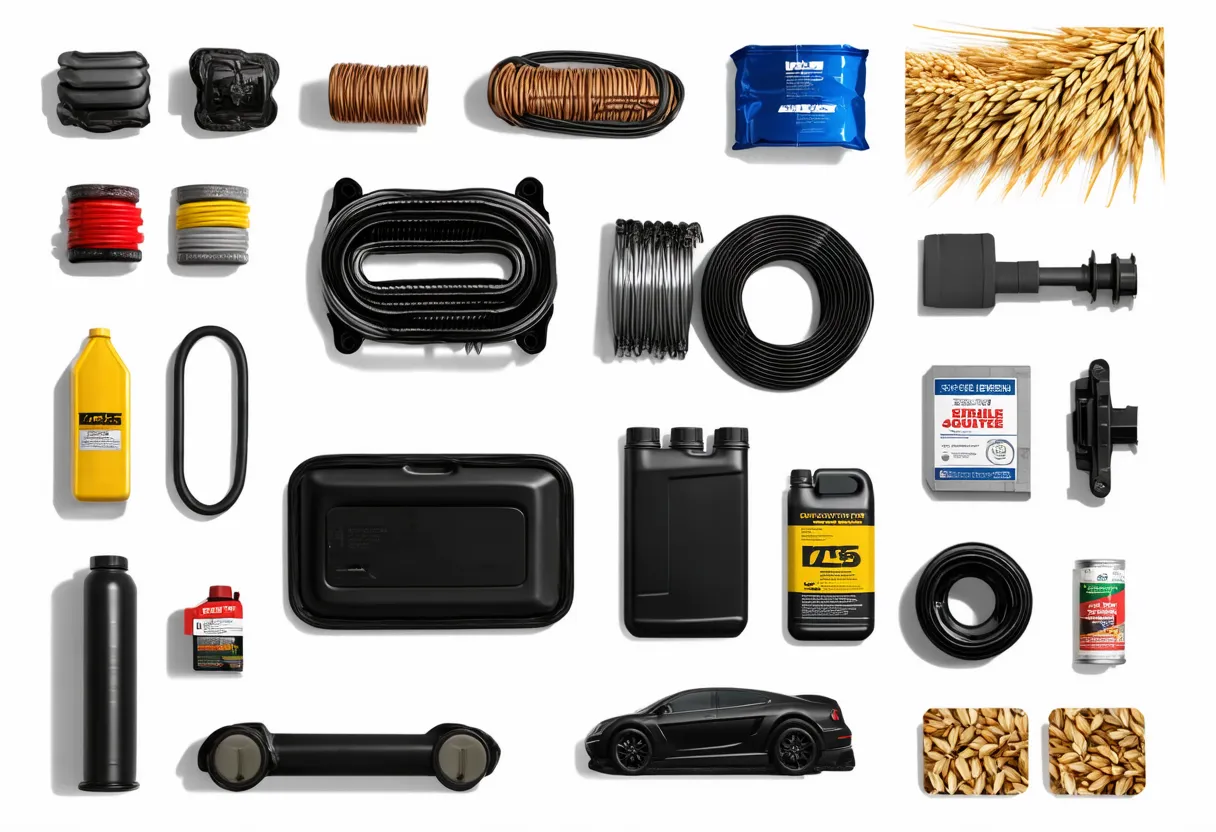 As of 2024, Romania’s export activities play a crucial role, with exports of goods and services of approximately $100 billion, accounting for around 27% of its GDP, indicating high importance in driving economic growth and stability.Romania’s export activities are diverse, with its top partners being Germany, Italy, Hungary, France, and Bulgaria. The country mainly exports vehicle parts/accessories, cars, insulated wire, refined petroleum, and wheat.
Romania economy challenges in 2024
In 2024, Romania faces economic slowdown post-COVID-19, struggling to meet euro convergence criteria. Despite being a major FDI recipient and digital hub, challenges lie in transitioning to the euro and sustaining growth in the service and industrial sectors.Sources
- World Bank Data: Romania
- IMF: Romania Country Profile
- CIA World Factbook: Romania
- Trading Economics: Romania
- UN Comtrade Plus: Trade Flow
Last updated: August 2026




Leave a Reply