
The United States is the world’s largest economy, with nominal GDP of about $32 trillion in 2026, followed by China at roughly $21 trillion (IMF). Germany, Japan, the United Kingdom and India round out the top six. Together the US and China produce around 42% of all global output.
What are the largest economies in the world?
Ranked by nominal GDP, the United States leads the world at about $32.4 trillion, ahead of China at $20.9 trillion (IMF World Economic Outlook, October 2025). No other economy comes close: third-placed Germany produces around $5.5 trillion, roughly a sixth of US output. World GDP was about $111 trillion in 2024 (World Bank).
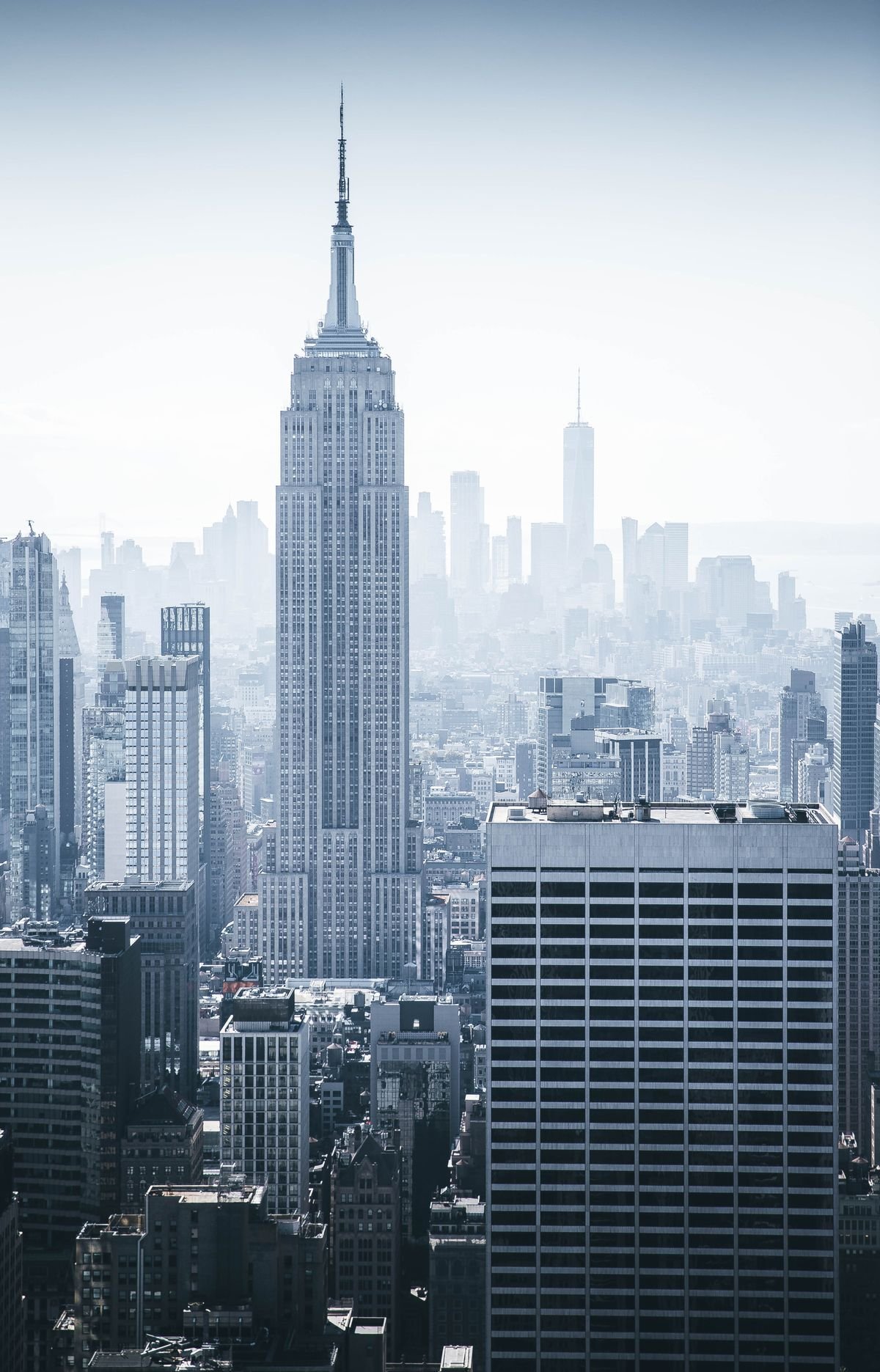
The 15 largest economies by GDP (2026)
| Rank | Country | Nominal GDP (USD trillion) |
|---|---|---|
| 1 | United States | 32.38 |
| 2 | China | 20.85 |
| 3 | Germany | 5.45 |
| 4 | Japan | 4.38 |
| 5 | United Kingdom | 4.26 |
| 6 | India | 4.15 |
| 7 | France | 3.60 |
| 8 | Italy | 2.74 |
| 9 | Russia | 2.66 |
| 10 | Brazil | 2.64 |
| 11 | Canada | 2.51 |
| 12 | Australia | 2.12 |
| 13 | Mexico | 2.12 |
| 14 | Spain | 2.09 |
| 15 | South Korea | 1.93 |
Source: IMF World Economic Outlook (October 2025), 2026 projections, nominal GDP at market exchange rates.
The US and China dominate global output
The top two economies alone account for roughly 42% of world GDP. Their lead over the rest is vast: the United States and China together produce more than the next thirteen economies combined. As a bloc, the European Union would rank second, with GDP of about €16.9 trillion in 2025 (Eurostat).

Key takeaways
- The US (~$32.4T) and China (~$20.9T) are by far the two largest economies (IMF, 2026).
- They produce roughly 42% of all global output between them.
- Germany, Japan, the UK and India form a tightly bunched next tier.
- Ranks 4–6 (Japan, UK, India) are effectively tied and flip between IMF editions.
Nominal vs PPP: two ways to rank
This list uses nominal GDP, converted at market exchange rates. Measured by purchasing power parity (PPP), which adjusts for local price levels, China actually ranks first, ahead of the United States. Positions 4 to 6 — Japan, the UK and India — sit within a few hundred billion dollars of each other, so the order shifts each time the IMF updates its figures.
Frequently asked questions
What is the largest economy in the world?
The United States has the world’s largest economy by nominal GDP, at about $32.4 trillion in 2026 (IMF). China is second at roughly $20.9 trillion. By purchasing power parity, however, China ranks first.
Is India or Japan the fourth-largest economy?
They are effectively tied. Japan, the United Kingdom and India all sit near $4.2–4.4 trillion, and the order changes with each IMF update. India briefly ranked fourth in the IMF’s April 2025 edition.
What is the difference between nominal and PPP GDP rankings?
Nominal GDP uses market exchange rates; PPP adjusts for differences in local prices. Rich countries tend to rank higher on nominal measures, while large, lower-cost economies like China and India rank higher on PPP.
Sources
- IMF, World Economic Outlook, October 2025 (2026 projections) — retrieved 2026-07-04 — imf.org
- World Bank, GDP (current US$), World, 2024 — retrieved 2026-07-04 — data.worldbank.org
- Eurostat, EU GDP, 2025 — retrieved 2026-07-04 — ec.europa.eu
Last updated: July 4, 2026

Leave a Reply