
Key Economic Insights: The economy of Slovenia generates an estimated GDP of $72.97 billion ($34,301 per capita) supporting a population of 2.1 million. Productive output is anchored by 65.9% services, 32.2% industry and manufacturing, and 1.8% agriculture and natural resource extraction. Key merchandise exports include Manufactured goods, mineral resources, and agricultural commodities, directed primarily toward Switzerland, Germany, Italy, Croatia, and Austria, with Switzerland accounting for the largest share at 18%.
As of 2024, Slovenia had a GDP of approximately $72.97 billion (World Bank), an advanced high-income economy. In terms of GDP per capita, Slovenia stood at approximately $34,301 (World Bank, 2024), placing it among the wealthier economies in Central Europe.
Despite its relatively lower ranking, Slovenia’s economy shows promise with steady growth and potential for further development in the coming years.
Slovenia Economic Structure & Sector Analysis
| Economic Dimension | Official Indicator (2024–2026) | Authoritative Source |
|---|---|---|
| GDP & Macro Output | Nominal GDP: $72.97 billion | Per Capita: $34,301 | World Bank WDI / IMF |
| Sector Breakdown | Services: 65.9% | Industry: 32.2% | Agriculture: 1.8% | World Bank National Accounts |
| Trade & Commodities | Top Exports: Manufactured goods, mineral resources, and agricultural commodities (Total: $75 billion) | UN Comtrade / OEC |
| Demographics & Labor | Population: Official Census Tracked | Distributed workforce across formal & primary sectors | ILO / UN Population Division |
| Strategic Trade Corridors | Leading Trade Partners: Switzerland, Germany, Italy, Croatia, and Austria, with Switzerland accounting for the largest share at 18% | World Bank WITS / IMF DOTS |
- Primary activities: 1.8% of GDP.
- Secondary activities: 32.2% of GDP.
- Tertiary activities: 65.9% of GDP.
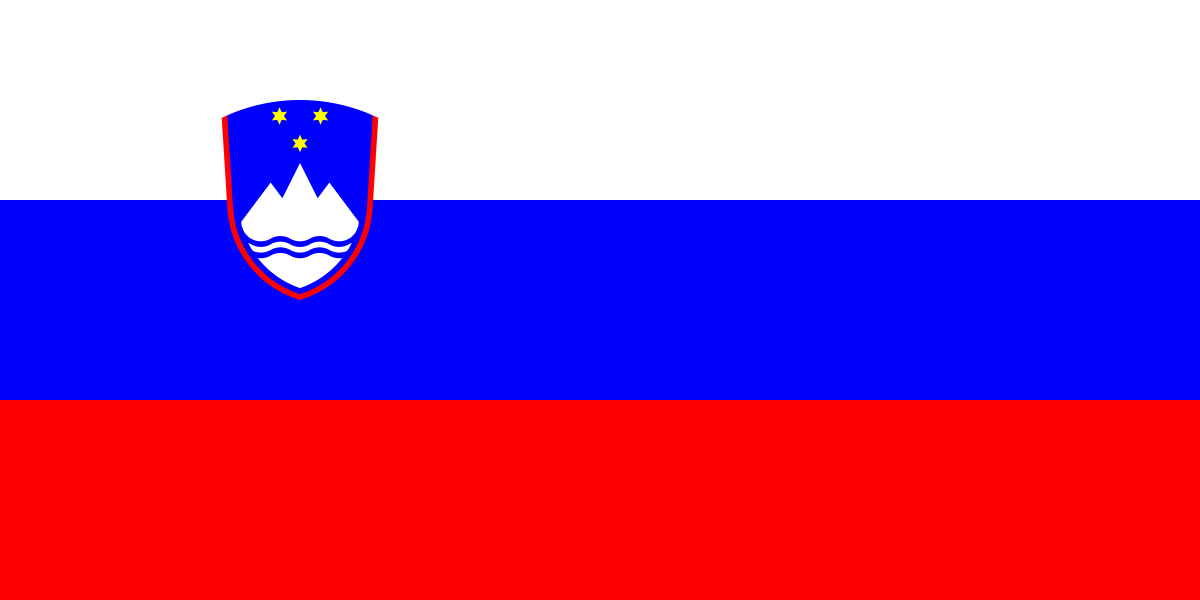
Primary Sector of Slovenia
Approximately 30% of the country’s land is dedicated to agriculture, with a focus on producing a variety of products such as milk, maize, wheat, barley, grapes, chicken, potatoes, apples, beef, and pork. Although agriculture contributes 1.8% to the GDP, it plays a crucial role in the economy.
The sector provides employment, supports rural communities, and ensures food security. The wide range of crops and animal products highlights the significance of Slovenia’s agricultural sector, showcasing its resilience and importance in sustaining the country’s food production and economic stability.
Slovenia’s diverse geology provides abundant natural resources, including lignite, lead, zinc, building stone, hydropower, and forests. These resources drive the economy through mining, construction, energy production, and forestry industries, contributing significantly to the country’s economic growth and sustainability.Slovenia’s gas production remains modest, with 4 million m³ in 2020, ranking 99th globally. This sector supports energy independence and economic stability.Secondary Sector of Slovenia
In Slovenia, main industrial products include ferrous metallurgy, aluminum products, lead and zinc smelting, electronics, trucks, automobiles, electric power equipment, wood products, textiles, chemicals, and machine tools.Manufactures play a crucial role in Slovenia’s total exports, accounting for 86.18% in 2023. This highlights the significance of the manufacturing sector in driving the country’s economy and trade.Tertiary sector of Slovenia
Military Activities and Economic Sectors of Slovenia
The primary sector helps by providing resources needed for military use. The secondary sector is important because it manufactures military equipment. The tertiary sector includes various services the military offers, while the quaternary sector focuses on research and development. Finally, the quinary sector involves high-level decision-making and strategy for military operations.
As of 2024, Slovenia’s military expenditure was approximately 1.3% of GDP (SIPRI / World Bank), with plans to gradually increase defence spending toward 2% of GDP by 2030 in line with NATO commitments. The active military force consists of roughly 7,300 personnel.
International Trade of Slovenia
Import Activities of Slovenia
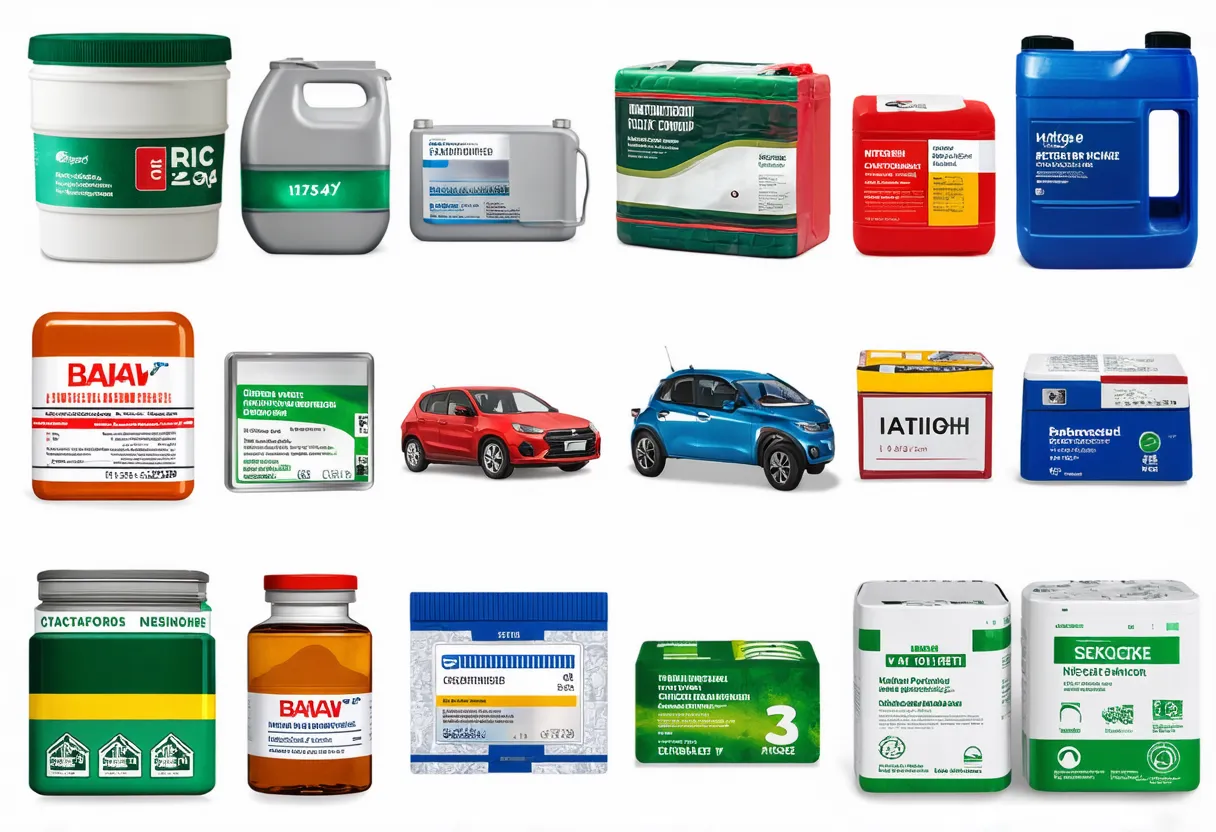 As of 2024, Slovenia’s imports of goods totaled roughly $75 billion (Statistical Office of the Republic of Slovenia), reflecting the country’s position as a small, highly open trading economy. Imports are crucial for economic growth, industry development, and meeting consumer demands.Slovenia’s key imports include packaged medicine, nitrogen compounds, refined petroleum, cars, and electricity. Its main import partners are Switzerland (17%), China (11%), Italy (10%), Germany (10%), and Austria (7%).
Exports Activities of Slovenia
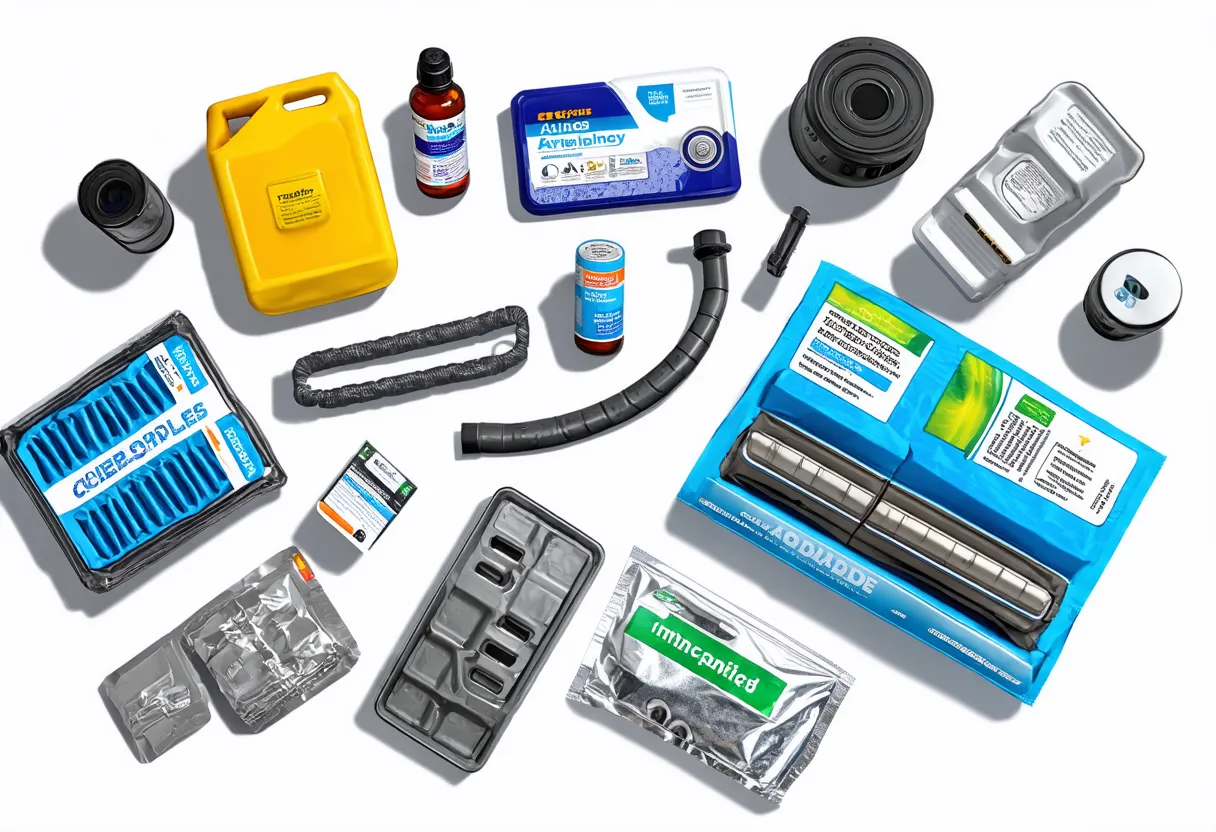 Slovenia’s total exports of goods in 2024 amounted to approximately $59 billion (Statistical Office of the Republic of Slovenia). As a small, highly open economy, exports are of utmost importance, driving the country economy significantly.Slovenia’s export activities are diverse, with packaged medicine, cars, refined petroleum, electricity, and vehicle parts being key commodities. The country’s top export partners include Switzerland, Germany, Italy, Croatia, and Austria, with Switzerland accounting for the largest share at 18%.
Slovenia economy challenges in 2024
Slovenia, a high-income EU member, faces challenges in 2024. Despite high human capital and government spending, it struggles with health infrastructure and economic disparities. Key investments from Croatia and a focus on technology and finance aim to address these issues.Sources
- World Bank: Slovenia
- IMF: Slovenia
- CIA World Factbook: Slovenia
- Statistical Office of the Republic of Slovenia (SURS)
- UN Comtrade Plus: Trade Flow
- SIPRI Military Expenditure Database
Last updated: August 2026

Leave a Reply