
Key Economic Insights: The economy of Tanzania generates an estimated GDP of $90.1 billion ($1,319 per capita) supporting a population of 71 million. Productive output is anchored by 28.8% services, 29.8% industry and manufacturing, and 22.9% agriculture and natural resource extraction. Its main export partners include India, UAE, South Africa, Kenya, and Rwanda.
As of 2025, Tanzania’s GDP stands at approximately $90.1 billion (World Bank), placing it among the larger economies in Sub-Saharan Africa. On the GDP per capita front, Tanzania’s figure is about $1,319 as of 2025 (World Bank), reflecting its status as a lower-middle-income country.
Despite facing challenges, Tanzania’s economy shows potential for growth and development in the coming years.
Tanzania Economic Structure & Sector Analysis
| Economic Dimension | Figure | Authoritative Source |
|---|---|---|
| GDP & Macro Output | Nominal GDP: $90.1 billion | Per Capita: $1,319 | World Bank WDI / IMF |
| Sector Breakdown | Services: 28.8% | Industry: 29.8% | Agriculture: 22.9% | World Bank National Accounts |
| Demographics & Labor | Population: 71 million | ILO / UN Population Division |
| Strategic Trade Corridors | Leading Trade Partners: India, UAE, South Africa, Kenya, and Rwanda | World Bank WITS / IMF DOTS |
- Primary activities: 22.9% of GDP.
- Secondary activities: 29.8% of GDP.
- Tertiary activities: 28.8% of GDP.

Primary Sector of Tanzania
With 44.6% of the land dedicated to agriculture, the country produces a diverse range of products including cassava, maize, sweet potatoes, sugarcane, bananas, milk, rice, vegetables, beans, and sunflower seeds.
Despite agriculture contributing 22.9% to the GDP, its significance lies in the variety of crops and animal products produced. This sector plays a crucial role in providing food security and employment opportunities, sustaining rural livelihoods, and supporting the overall economy.
The country’s geological diversity provides a rich array of natural resources, including hydropower, tin, phosphates, iron ore, coal, diamonds, gemstones (including tanzanite), gold, natural gas, and nickel. These resources play a vital role in driving the economy, with mining, energy production, and gemstone trade being significant contributors to the country’s economic growth and development.Tanzania’s gas production of 1.1 billion m³ in 2020 ranks it 66th in the world, contributing significantly to the country’s economic growth.Secondary Sector of Tanzania
In Tanzania, the main industrial products include cement, oil refining, shoes, apparel, wood products, and fertilizer. These products are manufactured from raw materials sourced through primary activities and are essential for domestic consumption and export.Manufactures in Tanzania’s total exports only accounted for 11.92% in 2023, highlighting their relatively minor role in the country’s export sector.Tertiary sector of Tanzania

Quaternary sector of Tanzania
Tanzania’s quaternary sector is at an early stage. The most recent measurement put research and development spending at about 0.51% of GDP (2013) and counted only about 19 researchers per million people, a very low ratio compared with the world level of about 1,650.
- Research and development spending: about 0.51% of GDP (2013)
- Researchers: about 19 per million people (2013)
- Internet users: about 31% of the population (2024)
- Students in higher education: equal to about 4% of the university-age population (2024)
- High-technology products: about 3% of manufactured exports (2024)
This fits the three-sector model of development. About 65% of Tanzanian workers still earn their living in agriculture (2025), so most of the labor force has not yet moved into factories or offices, let alone into research and data work. Knowledge-based jobs usually expand only after a country has built up a large base of educated workers, which takes decades.
Tanzania can still benefit from knowledge created elsewhere. Mobile money, first developed in neighboring Kenya as M-Pesa, spread quickly across Tanzania and let millions of people send money and pay bills by phone. Adopting a foreign idea is far cheaper than inventing one, but it still needs local skills: engineers to run the networks, programmers to adapt the software and agents who understand customers. Economists call this ability to use outside knowledge absorptive capacity. With students in higher education equal to about 4% of the university-age population (2024), building that capacity is the sector’s main challenge.
Military Activities and Economic Sectors of Tanzania
In the primary sector, resources are extracted for military use, like metals for weapons. The secondary sector includes the manufacturing of military equipment, creating jobs and boosting the economy. The military also provides services in the tertiary sector, while the quaternary sector focuses on research and development. Lastly, high-level decision-making in the quinary sector helps shape military strategy.
In Tanzania, the military expenditure for 2023 is $905.1 million, which is 1.09% of the GDP. The active military force has 27,000 personnel, resulting in 2 active military members for every 1,000 people in the country.
Biggest company in Tanzania
Which is the biggest company in Tanzania? As of 2025, the largest listed company on the Dar es Salaam Stock Exchange (DSE) by market capitalisation is NMB Bank Plc, with a market value of about TZS 4.2 trillion (roughly $1.6 billion), having overtaken Tanzania Breweries Limited. NMB Bank operates in the financial services (tertiary) sector and is one of Tanzania’s leading commercial banks.International Trade of Tanzania
Import Activities of Tanzania
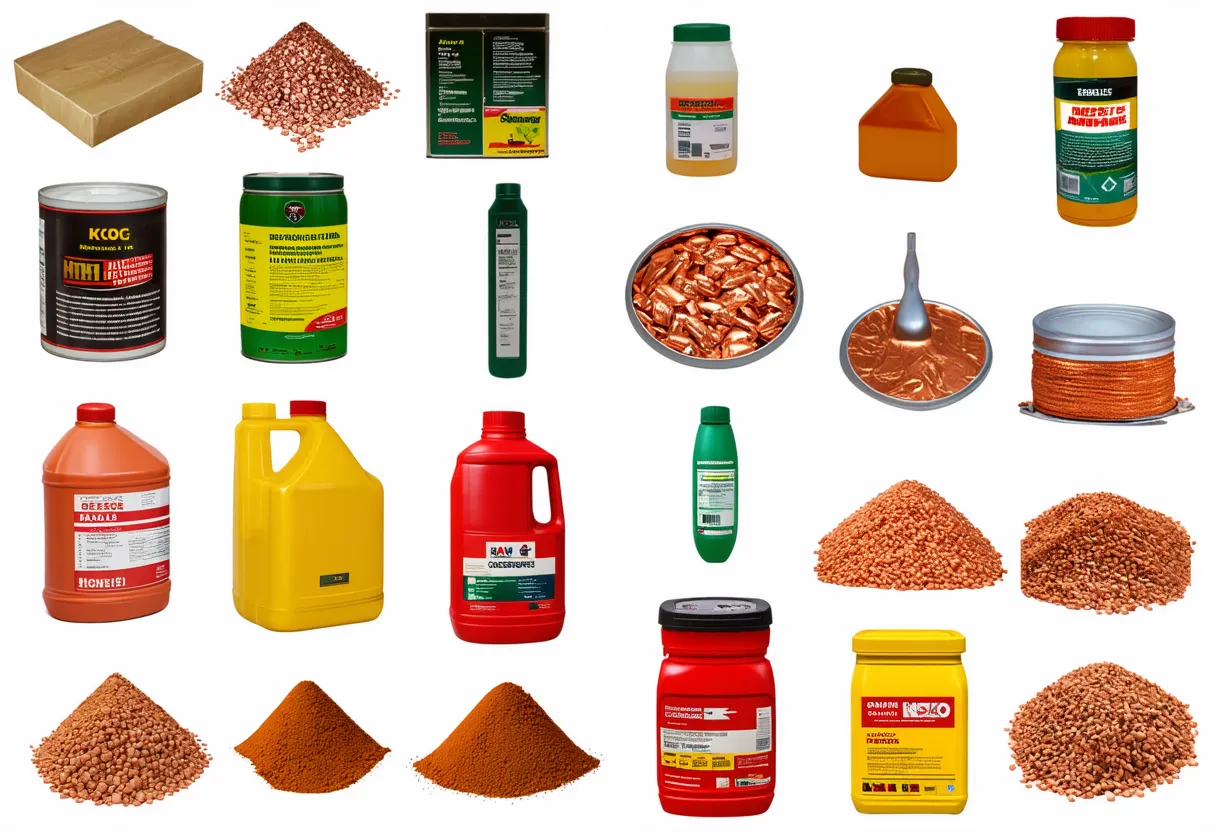 Tanzania’s high import activities, accounting for 19.6% of GDP in 2023, play a crucial role in meeting domestic demands and promoting economic growth.Tanzania’s key import activities include refined petroleum, copper, garments, fertilizers, and plastics. Major import partners are China, India, UAE, DRC, and Saudi Arabia, with China being the largest contributor at 30%.
Exports Activities of Tanzania
 In 2023, Tanzania’s total exports amounted to $7,274,328,787.87, with exports accounting for 15.42% of GDP. This indicates a medium level of importance, highlighting the significant contribution of export activities to the country’s economy.Tanzania’s export activities primarily involve gold, raw copper, and various nuts. The country’s top export partners are India, UAE, South Africa, Kenya, and Rwanda. Gold is a significant export commodity, along with copper products and nuts such as coconuts, Brazil nuts, and cashews.
Tanzania economy challenges in 2024
In 2024, Tanzania faces challenges in sustaining economic growth amidst global uncertainties. Despite progress in key sectors, gender-based violence and labor disruptions persist. The country must address these issues to ensure continued development and stability.Sources
- World Bank Data: Tanzania
- IMF Data Mapper
- Heritage Foundation: All Country Scores
- Our World in Data: Human Development Index
- UN Comtrade Plus: Trade Flow
- SIPRI Military Expenditure Database
- Tanzania National Bureau of Statistics: Tourism Statistics
Last updated: October 2026



Leave a Reply