
Key Economic Insights: The economy of Benin generates an estimated GDP of $21.48 billion ($1,485 per capita) supporting a population of 14,462,724. Productive output is anchored by 58.4% services, 17.4% industry and manufacturing, and 24.2% agriculture and natural resource extraction. Key merchandise exports include Manufactured goods, mineral resources, and agricultural commodities, directed primarily toward China, India, US, UAE, and France.
Benin, with a population of 14,462,724, is ranked 74th in the world, just behind Rwanda. Located in West Africa, it covers a total area of 114,760 square kilometers, ranking 96th globally, just below Malawi.
Benin’s economic position in 2024 shows a GDP of $21.48 billion USD, ranking it among growing low-income economies in West Africa. Benin’s GDP per capita is $1,485 USD (World Bank, 2024), reflecting steady gains driven by 7.5% real GDP growth in 2024, the highest rate since 1990.
Benin Economic Structure & Sector Analysis
| Economic Dimension | Official Indicator (2024–2026) | Authoritative Source |
|---|---|---|
| GDP & Macro Output | Nominal GDP: $21.48 billion | Per Capita: $1,485 | World Bank WDI / IMF |
| Sector Breakdown | Services: 58.4% | Industry: 17.4% | Agriculture: 24.2% | World Bank National Accounts |
| Trade & Commodities | Top Exports: Manufactured goods, mineral resources, and agricultural commodities (Total: $149 million) | UN Comtrade / OEC |
| Demographics & Labor | Population: 14,462,724 | Distributed workforce across formal & primary sectors | ILO / UN Population Division |
| Strategic Trade Corridors | Leading Trade Partners: China, India, US, UAE, and France | World Bank WITS / IMF DOTS |
- Primary activities: 24.2% of GDP (World Bank, 2024).
- Secondary activities: 17.4% of GDP (World Bank, 2024).
- Tertiary activities: 58.4% of GDP (World Bank, 2024).

Primary Sector of Benin
In Benin, the primary sector, particularly agriculture, plays a crucial role in the economy. With 35.03% of the land dedicated to agriculture, the country produces a variety of crops like cassava, yams, maize, oil palm fruit, cotton, rice, pineapples, soybeans, tomatoes, and vegetables.
Despite contributing 24.2% to the GDP (World Bank, 2024), agriculture is vital for food security and employment. The diverse range of crops and animal products highlights the sector’s significance, sustaining livelihoods and ensuring a stable food supply.
The country’s geological diversity, with small offshore oil deposits, limestone, marble, and timber, plays a crucial role in its resource availability. These resources drive the economy through oil production, construction materials, and timber exports, contributing significantly to the country’s economic growth and development.
Secondary Sector of Benin
In Benin, main industrial products include textiles, food processing, construction materials, and cement. These products are essential for both domestic consumption and export, driving the country’s economy and contributing to its industrial growth.
Manufactures in Benin’s total exports are not significant, accounting for only 4.21% in 2023. The country’s economy relies more on other sectors for export revenue.
Tertiary sector of Benin
This sector involves intangible goods such as advice, expertise, and attention, catering to both consumer and business-to-business services. Key tertiary activities in Benin include healthcare and medical care, education and training, banking and finance, communication and information exchange, transportation and logistics, and security and protection.
Among these, Benin’s tourism industry, with only 337,000 annual arrivals and a meager 0.0252 arrivals per capita, plays a negligible role in the country’s economy. Despite its rich cultural heritage and natural beauty, the sector remains underdeveloped and underutilized, contributing minimally to GDP and employment generation.
Another example of tertiary economic activity is the mobile cellular sector, which boasts approximately 14.55 million subscriptions, equating to about 109 per 100 inhabitants. This extensive connectivity fosters technological growth, enabling innovation and digital services.
Military Activities and Economic Sectors of Benin
In Benin, the military relies on the primary sector for resource extraction, like minerals. The secondary sector is important too, as it involves the manufacturing of military equipment. The tertiary sector includes services provided by the military, while the quaternary sector focuses on research and development. Lastly, the quinary sector deals with high-level decision-making and strategy.
In 2023, Benin’s military expenditure was approximately $149 million, representing about 0.7% of the country’s GDP (SIPRI, 2023). The active military force consists of 7,250 personnel, resulting in about 1.1 active military members per 1,000 people. This data shows how the military connects with various economic activities in the country.
International Trade of Benin
Import Activities of Benin
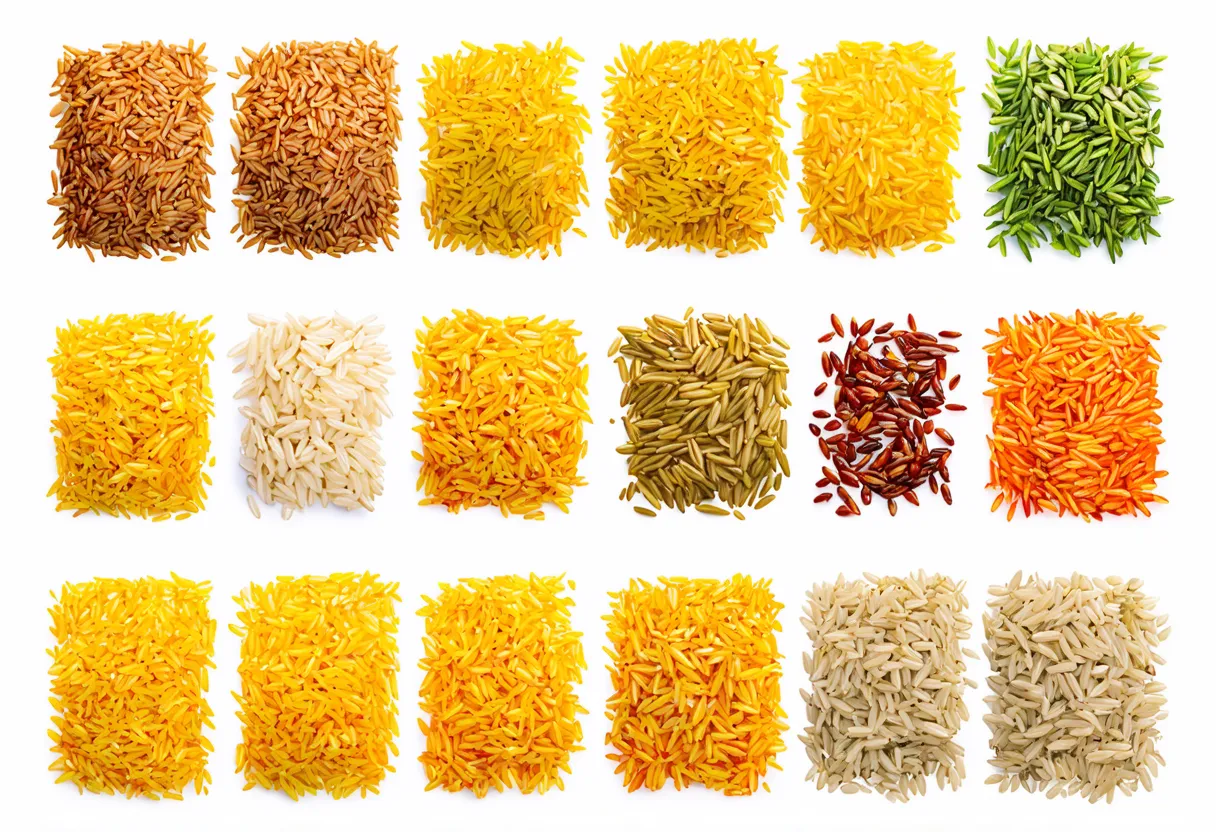
Import activities in Benin are crucial, with total imports in 2023 amounting to $3.9 billion, accounting for approximately 19.8% of the country’s GDP (UN Comtrade, 2023).
Benin’s main import partners include China, India, US, UAE, and France. The country imports commodities such as rice, refined petroleum, palm oil, cars, and poultry to meet its domestic needs and support its economy.
Exports Activities of Benin

Benin’s total exports in 2023 reached $1.05 billion, accounting for approximately 5.3% of its GDP (UN Comtrade, 2023). Benin’s trade balance reflects its position as a transit economy via the port of Cotonou, with re-export flows to landlocked neighbors boosting import volumes beyond domestic consumption. Export activities play a significant role in the country’s economy, contributing to growth and development.
Benin’s export activities are diversified, with cotton, gold, coconuts, cashews, and soybeans being major commodities. The country’s top export partners are India, Bangladesh, UAE, China, and Egypt, with India being the largest at 27%.
Benin economy challenges in 2024
In 2024, Benin faces challenges despite robust economic growth. Poverty persists, worsened by COVID-19. Trade with Nigeria remains strong, but capital outflows and border closures impact the economy. Efforts to reduce fiscal deficit and debt continue, as the country navigates its currency pegged to the euro within the WAEMU.
Sources
- World Bank Data – Benin
- IMF – Benin Country Profile
- CIA World Factbook: Benin
- UN Comtrade Plus: Trade Flow
- SIPRI Military Expenditure Database
Last updated: August 2026



Leave a Reply