
Key Economic Insights: The economy of Saudi Arabia generates an estimated GDP of $1.24 trillion ($35,122 per capita) supporting a population of 35,300,280. Productive output is anchored by Tracked by World Bank services, Tracked by World Bank industry and manufacturing, and Tracked by World Bank agriculture and natural resource extraction. Key merchandise exports include crude petroleum, refined petroleum, plastics, and fertilizers, directed primarily toward China, India, Japan, South Korea, and the US, with China being the largest at 19%.
As of 2024, Saudi Arabia’s economy is strong, with a GDP of about $1.24 trillion (World Bank), making it the largest economy in the Middle East and a member of the G20. The GDP per capita is approximately $35,122 (World Bank, 2024).
Despite facing challenges, Saudi Arabia’s economy remains robust and continues to play a significant role in the global market.
Saudi Arabia Economic Structure & Sector Analysis
| Economic Dimension | Official Indicator (2024–2026) | Authoritative Source |
|---|---|---|
| GDP & Macro Output | Nominal GDP: $1.24 trillion | Per Capita: $35,122 | World Bank WDI / IMF |
| Sector Breakdown | Services: Tracked by World Bank | Industry: Tracked by World Bank | Agriculture: Tracked by World Bank | World Bank National Accounts |
| Trade & Commodities | Top Exports: crude petroleum, refined petroleum, plastics, and fertilizers (Total: $75.8 billion) | UN Comtrade / OEC |
| Demographics & Labor | Population: 35,300,280 | Distributed workforce across formal & primary sectors | ILO / UN Population Division |
| Strategic Trade Corridors | Leading Trade Partners: China, India, Japan, South Korea, and the US, with China being the largest at 19% | World Bank WITS / IMF DOTS |
- Primary activities: about 2.7% of GDP (2023).
- Secondary activities: about 46% of GDP (2023).
- Tertiary activities: about 51% of GDP (2023).
Primary Sector of Saudi Arabia
With 80.77% of the land dedicated to agriculture, the country produces a variety of crops and animal products. The main agricultural products include milk, dates, chicken, wheat, tomatoes, potatoes, watermelons, olives, eggs, and onions.
Despite agriculture contributing only about 2.7% to the GDP, these products play a crucial role in the country’s economy, providing food security and supporting local livelihoods. The sector’s significance lies in its ability to sustain a wide range of crops and livestock, ensuring a steady supply of essential food items for the population.
The country boasts a diverse geological landscape, leading to rich natural resources. Its primary sector thrives on petroleum, natural gas, iron ore, gold, and copper. These resources play a pivotal role in driving the economy and shaping various industries.As of 2023, Saudi Arabia’s natural gas production reached about 121 billion m³, securing its position as the 8th largest producer globally.Secondary Sector of Saudi Arabia
In Saudi Arabia, the main industrial products include crude oil production, petroleum refining, basic petrochemicals, ammonia, industrial gases, sodium hydroxide, cement, fertilizer, plastics, metals, commercial ship repair, commercial aircraft repair, and construction.In 2023, Saudi Arabia’s total exports are dominated by oil, making the percentage of manufactured goods relatively low and not a significant contributor to the country’s export revenue.Tertiary sector of Saudi Arabia

Military Activities and Economic Sectors of Saudi Arabia
In Saudi Arabia, the military relies on the primary sector for resource extraction, such as oil, which is vital for military use. The secondary sector includes the manufacturing of military equipment, while the tertiary sector provides essential services. The quaternary sector focuses on military research and development, and the quinary sector involves high-level decision-making and strategy.
As of 2024, Saudi Arabia’s military expenditure was about $75.8 billion, roughly 7.2% of its GDP, among the highest defense burdens in the world. The active military force is estimated at around 247,000 personnel. This data highlights the significant role of military activities in the country’s economy.
International Trade of Saudi Arabia
Import Activities of Saudi Arabia
 As of 2024, Saudi Arabia merchandise imports totaled approximately $207 billion, equivalent to about 17% of GDP.Saudi Arabia’s import activities are diverse, with major partners like China, UAE, US, India, and Germany. Import commodities include cars, broadcasting equipment, garments, gold, and refined petroleum.
Exports Activities of Saudi Arabia
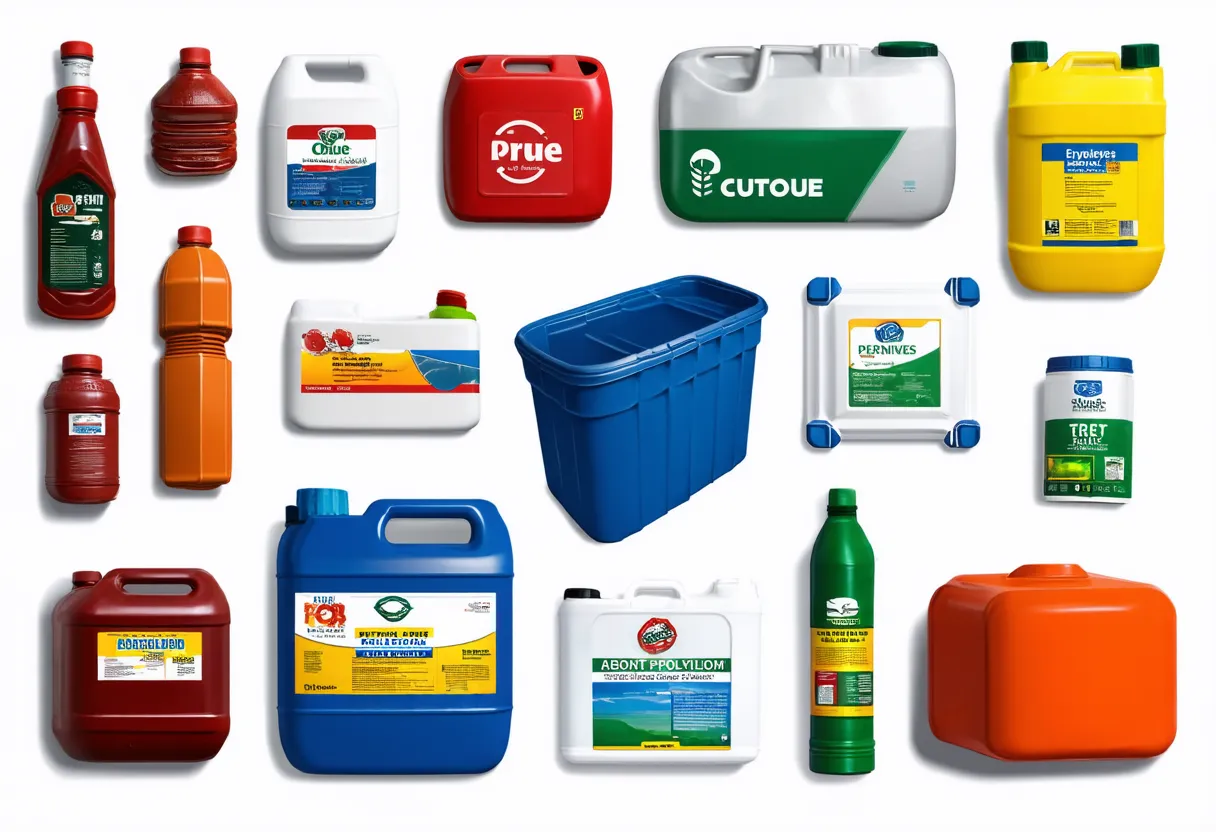 As of 2024, Saudi Arabia’s merchandise exports totaled approximately $320 billion, accounting for around 26% of its GDP, indicating their high importance to the economy.Saudi Arabia primarily exports crude petroleum, refined petroleum, plastics, and fertilizers. Its top export partners include China, India, Japan, South Korea, and the US, with China being the largest at 19%.
Saudi Arabia economy challenges in 2024
Saudi Arabia, a high-income oil-based economy, faces challenges in 2024. Despite being an OPEC leader and diversifying its portfolio, per-capita incomes are declining. The young labor force struggles with human capital gaps, heavy bureaucracy, and corruption. Poverty remains substantial, hindering innovation and economic growth.Sources
- World Bank: Saudi Arabia
- IMF: Saudi Arabia
- CIA World Factbook: Saudi Arabia
- General Authority for Statistics (GASTAT)
- UN Comtrade Plus
Last updated: August 2026



Leave a Reply