Key Economic Insights: The economy of Mauritania generates an estimated GDP of $10.91 billion ($2,110 per capita) supporting a population of 5,169,395. Productive output is anchored by 42.9% services, 29.3% industry and manufacturing, and 27.8% agriculture and natural resource extraction.
Mauritania, with a population of about 5,169,395 (As of 2024, World Bank), is one of the world’s less-populous nations. Located in Africa, it covers a total area of 1,030,700 square kilometers, ranking 28th globally, just below Bolivia.
As of 2024, Mauritania’s economy reflects a GDP of about 10.91 billion USD (World Bank). In terms of GDP per capita, Mauritania stands at approximately 2,110 USD (As of 2024, World Bank). The economy grew an estimated 4.6% in 2024.
Despite ongoing challenges, Mauritania continues to strive for economic growth and development in the global landscape, supported increasingly by its emerging gas sector.
Mauritania Economic Structure & Sector Analysis
| Economic Dimension | Figure | Authoritative Source |
|---|---|---|
| GDP & Macro Output | Nominal GDP: $10.91 billion | Per Capita: $2,110 | World Bank WDI / IMF |
| Sector Breakdown | Services: 42.9% | Industry: 29.3% | Agriculture: 27.8% | World Bank National Accounts |
| Demographics & Labor | Population: 5,169,395 | ILO / UN Population Division |
- Primary activities: 27.8% of GDP.
- Secondary activities: 29.3% of GDP.
- Tertiary activities: 42.9% of GDP.
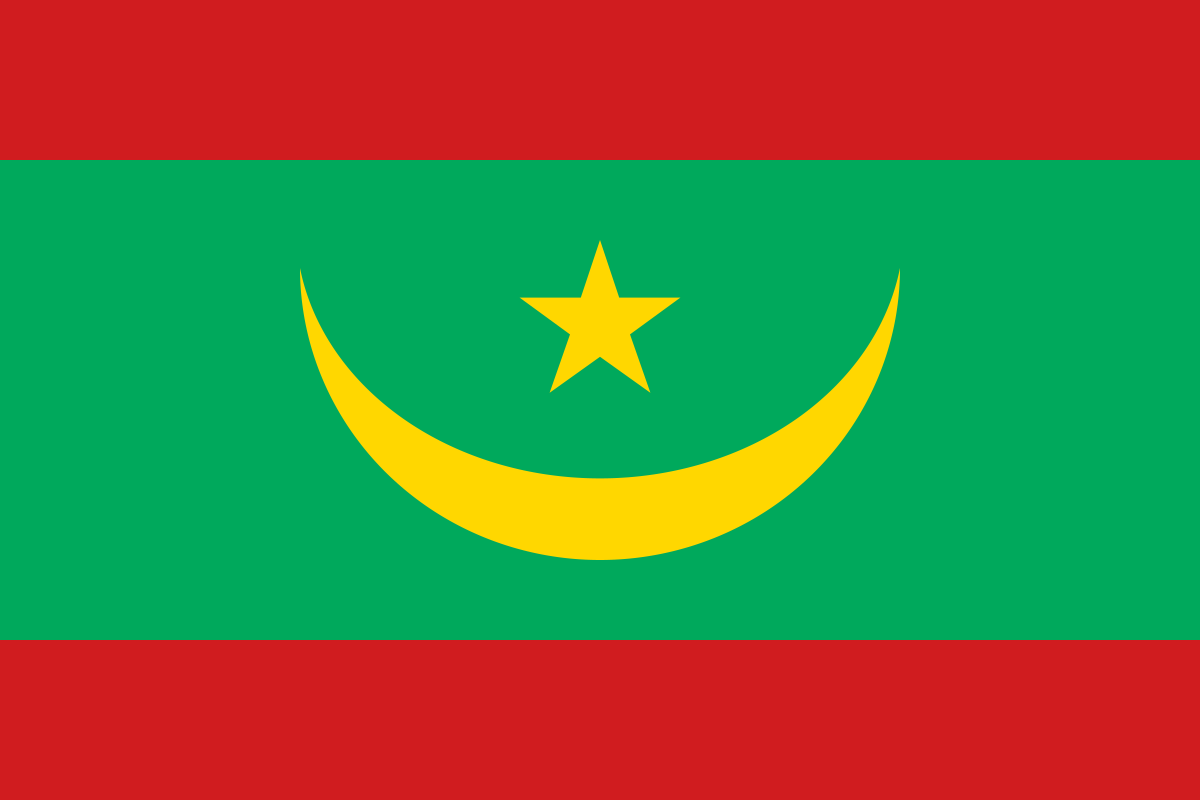
Primary Sector of Mauritania
With 38.5% of the land dedicated to agriculture, the country produces a variety of crops and animal products, including rice, milk, sorghum, goat milk, sheep milk, lamb/mutton, beef, camel meat, camel milk, and dates.
Despite agriculture contributing 27.8% to the GDP, its significance lies in the wide range of products generated, sustaining livelihoods and ensuring food security.
The country’s diverse geology contributes to abundant natural resources. Iron ore, gypsum, copper, phosphate, gold, oil, gas, and fish are key assets driving the economy, with iron ore and gold being major contributors to revenue and employment in the primary sector. The state-owned mining company SNIM (Société Nationale Industrielle et Minière) is the country’s largest company and second-largest employer after the government, accounting for around 9% of GDP and about a third of exports (As of 2024, SNIM).
Secondary Sector of Mauritania
In Mauritania, key industrial products include fish processing, mining (iron ore, gold and copper), and an emerging natural-gas industry. The Greater Tortue Ahmeyim (GTA) offshore LNG project, operated by bp and Kosmos Energy with the national hydrocarbons company SMH, produced first gas at the end of 2024 and its first LNG cargo in early 2025, opening a new export sector for the country. These industries play a vital role in the country’s economy by creating value-added products for domestic and international markets.
Manufactures in Mauritania’s total exports only accounted for 0.73% in 2023, indicating their limited significance in the country’s export profile.
Tertiary sector of Mauritania
The tertiary sector in Mauritania encompasses a wide range of services that focus on providing knowledge and expertise to enhance productivity and meet various needs. Some of the key tertiary activities in Mauritania include healthcare and medical care, education and training, banking and finance, communication and information exchange, tourism and hospitality, transportation and logistics, and security and protection. These services play a crucial role in driving economic growth and development in the country by catering to both consumer and business demands.
Highlighting these, Mauritania’s tourism industry plays a vital role in its economy. With an annual influx of tourists, renowned attractions like the ancient city of Chinguetti and the Banc d’Arguin National Park contribute significantly to the nation’s economic growth. However, the tourist arrivals remain relatively modest compared to the country’s population.
Another example of tertiary economic activity is the mobile cellular sector, with approximately 5.4 million subscriptions, equating to 113 per 100 inhabitants. This connectivity fosters technological growth, enhancing communication and innovation.
Military Activities and Economic Sectors of Mauritania
In the primary sector, resources are extracted for military use, like metals for weapons. The secondary sector involves the manufacturing of military equipment, which creates jobs. The tertiary sector includes services provided by the military, such as logistics and training. The quaternary sector focuses on military research and development, while the quinary sector deals with high-level decision-making and strategy.
In Mauritania, the military expenditure in 2023 is $277.2 million, which is 2.27% of the country’s GDP. The active military force has 39,634 personnel, resulting in about 5.4 active military members per 1,000 people. This data shows how the military connects to various economic activities in the country.
International Trade of Mauritania
Import Activities of Mauritania

The import activities of Mauritania are of high importance, accounting for 54.81% of the GDP in 2023.
Mauritania’s key import partners are China, Spain, Morocco, UAE, and Indonesia. The country imports refined petroleum, iron pipes, wheat, raw sugar, and palm oil.
Exports Activities of Mauritania
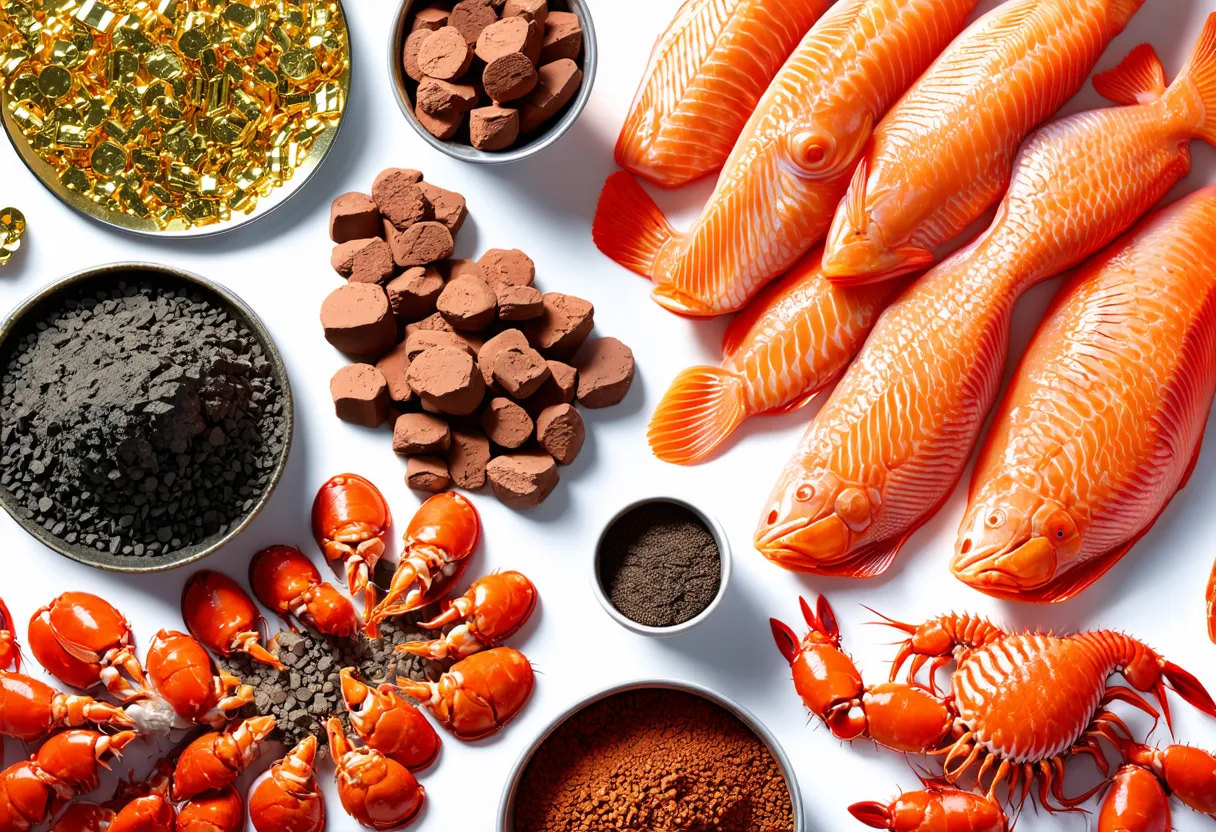
Mauritania’s export activities play a crucial role, accounting for 49.15% of its GDP in 2023. With total exports reaching $4.8 billion, it signifies a high importance in driving the country’s economy.
Mauritania’s export activities focus on gold, iron ore, fish, processed crustaceans, and animal meal. Its top export partners are China, Canada, UAE, Spain, and Turkey, with China being the largest at 24%.
Mauritania economy challenges in 2024
Mauritania, a lower middle-income West African economy, faces challenges in 2024. With poor property rights, systemic corruption, and endemic social tensions, the country struggles with rising urbanization and workforce issues. Wide-scale terrorism, foreign over-fishing, and environmental fragility further compound its difficulties.
Sources
- World Bank Data: Mauritania
- IMF: Mauritania
- CIA World Factbook: Mauritania
- Trading Economics: Mauritania
- UN Comtrade Plus: Trade Flow
Last updated: August 2026

Leave a Reply