
Key Economic Insights: The economy of Zambia generates an estimated GDP of $26.33 billion (National Accounts Tracked per capita) supporting a population of 21,314,956. Productive output is anchored by 57% services, 35.3% industry and manufacturing, and 7.5% agriculture and natural resource extraction. Key merchandise exports include Manufactured goods, mineral resources, and agricultural commodities, directed primarily toward Global and regional trade partners.
As of 2024, Zambia’s GDP is approximately $26.33 billion (current US$). In terms of GDP per capita, as of 2024 the figure stands at approximately $1,235 (current US$), reflecting the country’s status as a lower-middle-income economy.
Despite facing challenges, Zambia’s economy shows potential for growth and development in the coming years, with opportunities for diversification and increased productivity.
Zambia Economic Structure & Sector Analysis
| Economic Dimension | Official Indicator (2024–2026) | Authoritative Source |
|---|---|---|
| GDP & Macro Output | Nominal GDP: $26.33 billion | Per Capita: National Accounts Tracked | World Bank WDI / IMF |
| Sector Breakdown | Services: 57% | Industry: 35.3% | Agriculture: 7.5% | World Bank National Accounts |
| Trade & Commodities | Top Exports: Manufactured goods, mineral resources, and agricultural commodities (Total: $377.2 million) | UN Comtrade / OEC |
| Demographics & Labor | Population: 21,314,956 | Distributed workforce across formal & primary sectors | ILO / UN Population Division |
| Strategic Trade Corridors | Leading Trade Partners: Global and regional trade partners | World Bank WITS / IMF DOTS |
- Primary activities: 7.5% of GDP.
- Secondary activities: 35.3% of GDP.
- Tertiary activities: 57% of GDP.
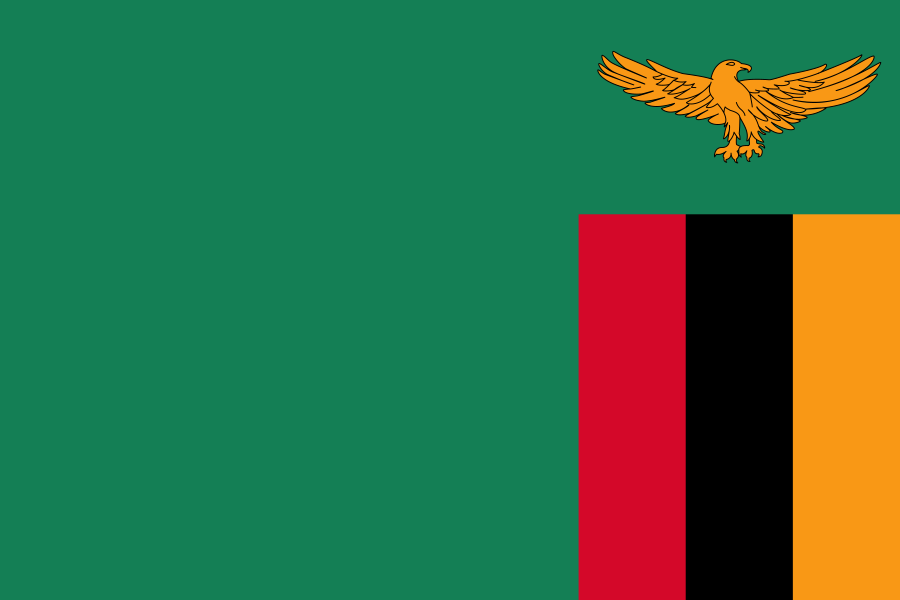
Primary Sector of Zambia
With 32.07% of its land dedicated to agriculture, the country produces a diverse range of crops and animal products. Key agricultural products include sugarcane, cassava, maize, milk, soybeans, vegetables, wheat, groundnuts, beef, and sweet potatoes.
Despite agriculture contributing 7.5% to the GDP, its significance lies in the variety and volume of products, showcasing the sector’s importance in providing food security and employment opportunities in Zambia.
With a diverse geological landscape, the primary sector thrives in Zambia. Rich in copper, cobalt, zinc, lead, coal, and more, these resources drive the economy through mining and hydropower generation. Additionally, the country is known for its emeralds, gold, silver, and uranium, further contributing to its resource abundance.Secondary Sector of Zambia
In Zambia, main industrial products include construction materials, foodstuffs, beverages, chemicals, textiles, fertilizer, and horticultural products. These goods are manufactured for both domestic consumption and export, contributing significantly to the country’s economy.Manufactures only contribute 12.85% to Zambia’s total exports in 2023, indicating their relatively minor role in the country’s export economy.Tertiary sector of Zambia
Military Activities and Economic Sectors of Zambia
In the primary sector, resources are extracted for military use, like metals for weapons. The secondary sector involves the manufacturing of military equipment, such as vehicles and uniforms. The tertiary sector includes services provided by the military, like training and support. The quaternary sector focuses on military research and development, while the quinary sector deals with high-level decision-making and strategy.
In Zambia, military expenditure in 2023 was $377.2 million (about 1.18% of GDP); as of 2024 it was approximately $349.7 million (SIPRI). The active military force consists of 15,100 personnel. This means there are 1.2 active military members for every 1,000 people in the country. These figures show how military activities connect to the economy and its different sectors.
Biggest company in Zambia
Which is the biggest company in Zambia? The largest is Naspers, with a market value of approximately $40.31 billion. Naspers operates in the diversified financials industry and falls under the tertiary economic sector. It was founded in 1915 and has grown significantly since then.International Trade of Zambia
Import Activities of Zambia
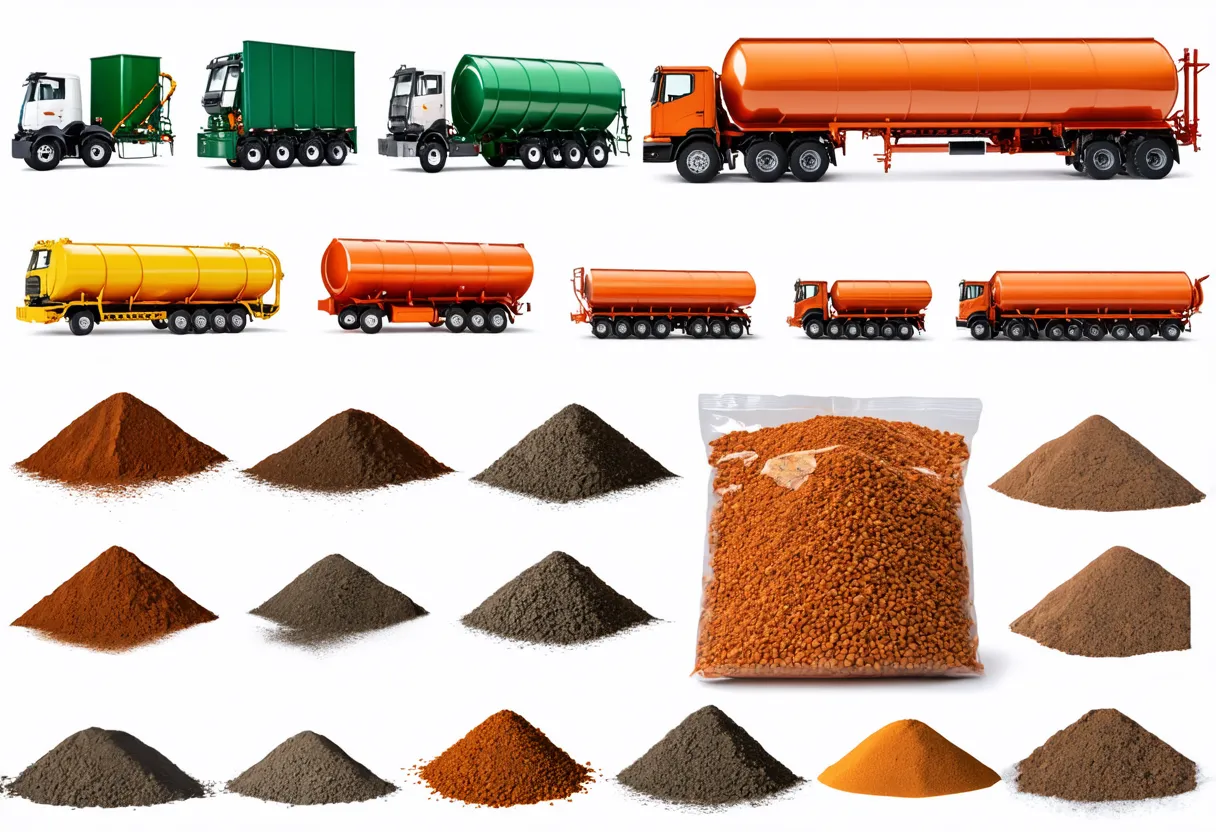 Import activities in Zambia are highly important, with total imports in 2023 reaching over $10 billion, accounting for 29.1% of the country’s GDP.Zambia’s key import partners are South Africa, Equatorial Guinea, China, UAE, and the Democratic Republic of the Congo. The country mainly imports fertilizers, refined petroleum, trucks, copper ore, and packaged medicine.
Exports Activities of Zambia
 In 2023, Zambia’s total exports amounted to $10,431,183,715.61, accounting for 40.19% of its GDP. With export activities playing a high role, they are crucial for the country’s economic growth and stability.Zambia’s export activities focus on raw copper, refined copper, gold, precious stones, and iron alloys. Its top export partners are Switzerland (30%), China (18%), DRC (10%), Pitcairn Islands (10%), and UAE (7%).
Zambia economy challenges in 2024
In 2024, Zambia faces economic challenges due to high public debt held by China and systemic corruption. Despite being a major copper exporter and having a young labor force, extreme rural poverty persists. The country’s potential as a regional hydroelectricity exporter is hindered by these issues.Sources
- World Bank: Zambia
- IMF DataMapper: Zambia
- CIA World Factbook: Zambia
- Trading Economics: Zambia GDP
- Zambia Statistics Agency
- UN Comtrade Plus: Trade Flow
- SIPRI Military Expenditure Database
Last updated: August 2026

Leave a Reply