
Key Economic Insights: The economy of Panama generates an estimated GDP of $90.46 billion ($19,790 per capita) supporting a population of 4,571,189. Productive output is anchored by 70.0% services, 24.9% industry and manufacturing, and 2.6% agriculture and natural resource extraction.
As of 2025, Panama’s economic position is relatively stable, with a GDP of about $90.46 billion, ranking among the larger economies of Central America. Panama leads the region in GDP per capita with approximately $19,790 (current US$).
Panama’s economy continues to show resilience, anchored by the Panama Canal, the Colón Free Zone, logistics, and a sizable banking and financial-services sector.
Panama Economic Structure & Sector Analysis
| Economic Dimension | Figure | Authoritative Source |
|---|---|---|
| GDP & Macro Output | Nominal GDP: $90.46 billion | Per Capita: $19,790 | World Bank WDI / IMF |
| Sector Breakdown | Services: 70.0% | Industry: 24.9% | Agriculture: 2.6% | World Bank National Accounts |
| Demographics & Labor | Population: 4,571,189 | ILO / UN Population Division |
- Primary activities: 2.6% of GDP.
- Secondary activities: 24.9% of GDP.
- Tertiary activities: 70.0% of GDP.

Primary Sector of Panama
With 29.41% of the land dedicated to agriculture, the country produces a diverse range of products including sugarcane, bananas, rice, oranges, oil palm fruit, plantains, chicken, milk, pineapples, and maize.
Agriculture contributes 2.6% to the GDP and produces a variety of crops and animal products.
Panama’s diverse geology provides abundant natural resources. Copper deposits, mahogany forests, shrimp-rich waters, and hydropower potential drive the economy, supporting industries and contributing to sustainable development.Secondary Sector of Panama
In Panama, the main industrial products include construction materials, brewing, cement, and sugar milling. These products are manufactured for domestic consumption and export, contributing significantly to the country’s economy.In 2023, Panama’s manufactures exports accounted for only 3.98% of the total exports, indicating their limited significance in the country’s economy.Tertiary sector of Panama

Biggest company in Panama
Which is the biggest company in Panama? Among Panama’s largest publicly traded companies is Copa Holdings, S.A. (parent of Copa Airlines), with annual revenue of about $3.4 billion in 2024 and a market capitalization of roughly $4 billion. Founded in 1947 and headquartered in Panama City, Copa operates one of Latin America’s leading airline networks through its Tocumen International Airport hub. Other major Panamanian firms include Banco General and Cervecería Nacional. (Source, as of 2024)International Trade of Panama
Import Activities of Panama
 Panama’s imports, equal to 71.87% of GDP, meet domestic demand and support economic growth.Panama’s import activities are diverse, with major partners like China and the US accounting for 40% of imports. They bring in crude petroleum, refined petroleum, ships, garments, and packaged medicine from countries like Guyana, Colombia, and Ecuador.
Exports Activities of Panama
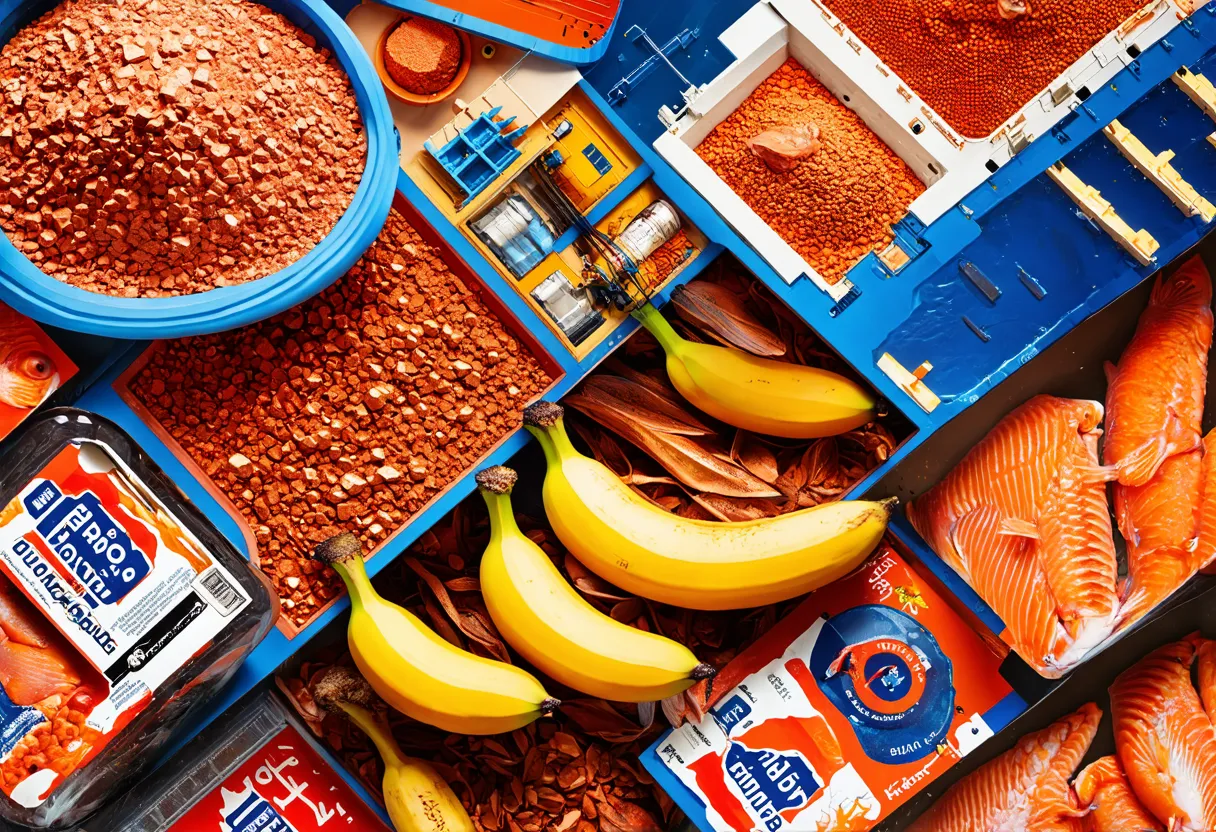 Panama’s total exports in 2023 amounted to $3.37 billion, representing 4.4% of its GDP. With a low export contribution, there is potential for growth and diversification to enhance economic stability.Panama’s export activities are diverse, with copper ore, ships, fish, bananas, and refined petroleum being key commodities. The country’s top export partners include China, Japan, South Korea, the US, and Spain, with China being the largest partner at 17%.
Panama economy challenges in 2024
Panama faces challenges in 2024 with increasing Chinese trade, money laundering concerns, and the need for infrastructure investment. The country’s reliance on the US dollar and the dominance of the services sector add complexity to its economy.Sources
Last updated: October 2026




Leave a Reply