
Key Economic Insights: The economy of Colombia generates an estimated GDP of $418.82 billion ($7,919 per capita) supporting a population of 52,886,363. Productive output is anchored by 56.9% services, 23.1% industry and manufacturing, and 9.3% agriculture and natural resource extraction. Key merchandise exports include crude petroleum, coal, coffee, refined petroleum, and gold, directed primarily toward Global and regional trade partners.
Colombia’s GDP reached $418.82 billion in 2024, according to the World Bank, making it one of the largest economies in Latin America. The GDP per capita for the same year was $7,919, reflecting steady nominal growth supported in part by a weaker Colombian peso against the US dollar.
Despite ongoing challenges related to inequality, informality, and security, Colombia’s economy has shown resilience, supported by a diversified export base of oil, coal, coffee, and a growing services sector.
Colombia Economic Structure & Sector Analysis
| Economic Dimension | Official Indicator (2024–2026) | Authoritative Source |
|---|---|---|
| GDP & Macro Output | Nominal GDP: $418.82 billion | Per Capita: $7,919 | World Bank WDI / IMF |
| Sector Breakdown | Services: 56.9% | Industry: 23.1% | Agriculture: 9.3% | World Bank National Accounts |
| Trade & Commodities | Top Exports: crude petroleum, coal, coffee, refined petroleum, and gold (Total: $24.89 billion) | UN Comtrade / OEC |
| Demographics & Labor | Population: 52,886,363 | Distributed workforce across formal & primary sectors | ILO / UN Population Division |
| Strategic Trade Corridors | Leading Trade Partners: Global and regional trade partners | World Bank WITS / IMF DOTS |
- Primary activities: approximately 9.3% of GDP (2024, World Bank).
- Secondary activities: approximately 23.1% of GDP (2024, World Bank).
- Tertiary activities: approximately 56.9% of GDP (2023, World Bank).

Primary Sector of Colombia
A significant share of land is dedicated to agriculture, producing a variety of crops and animal products. The main agricultural products include sugarcane, oil palm fruit, milk, rice, potatoes, bananas, plantains, coffee, maize, chicken, and avocados.
Agriculture contributes approximately 9.3% to GDP (2024) and plays a crucial role in providing livelihoods, ensuring food security, and generating export earnings — particularly through coffee, Colombia’s iconic agricultural export.
With a diverse geological landscape, the primary sector also thrives on abundant natural resources like petroleum, natural gas, coal, iron ore, nickel, gold, copper, emeralds, and hydropower, driving the economy through mining and energy production.Colombia’s crude oil production averaged approximately 773,000 barrels per day in 2024, with proven reserves of around 2.3 billion barrels.Colombia’s natural gas production contributes significantly to the economy, with output of approximately 9.9 billion m³ recorded in recent years.Secondary Sector of Colombia
In Colombia, major industrial products include textiles, food processing, oil, clothing, beverages, chemicals, cement, gold, coal, and emeralds. These products are manufactured for domestic consumption and export, contributing significantly to the country’s economy.Manufactures in Colombia’s total exports account for approximately 21.3% (2024), reflecting a modest but growing industrial base.Tertiary sector of Colombia

Military Activities and Economic Sectors of Colombia
In the primary sector, resources like metals are extracted for military use. The secondary sector includes the manufacturing of weapons and equipment. The tertiary sector provides services, such as training and support. The quaternary sector focuses on research and development for new military technology. Finally, the quinary sector involves high-level decision-making and strategy for military operations.
In 2024, Colombia’s military expenditure represented approximately 3.36% of its GDP, according to SIPRI data. The country maintains an active military force of approximately 293,000 personnel.
Biggest company in Colombia
Which is the biggest company in Colombia? It is Ecopetrol, founded in 1951. This state-controlled energy giant had a market capitalization of approximately $24.89 billion USD as of early 2026, and reported revenues of approximately COP 133.3 trillion (around $32 billion USD) in FY2024. Operating primarily in the energy sector, Ecopetrol plays a crucial role in Colombia’s economy by exploring and producing oil and gas.International Trade of Colombia
Import Activities of Colombia
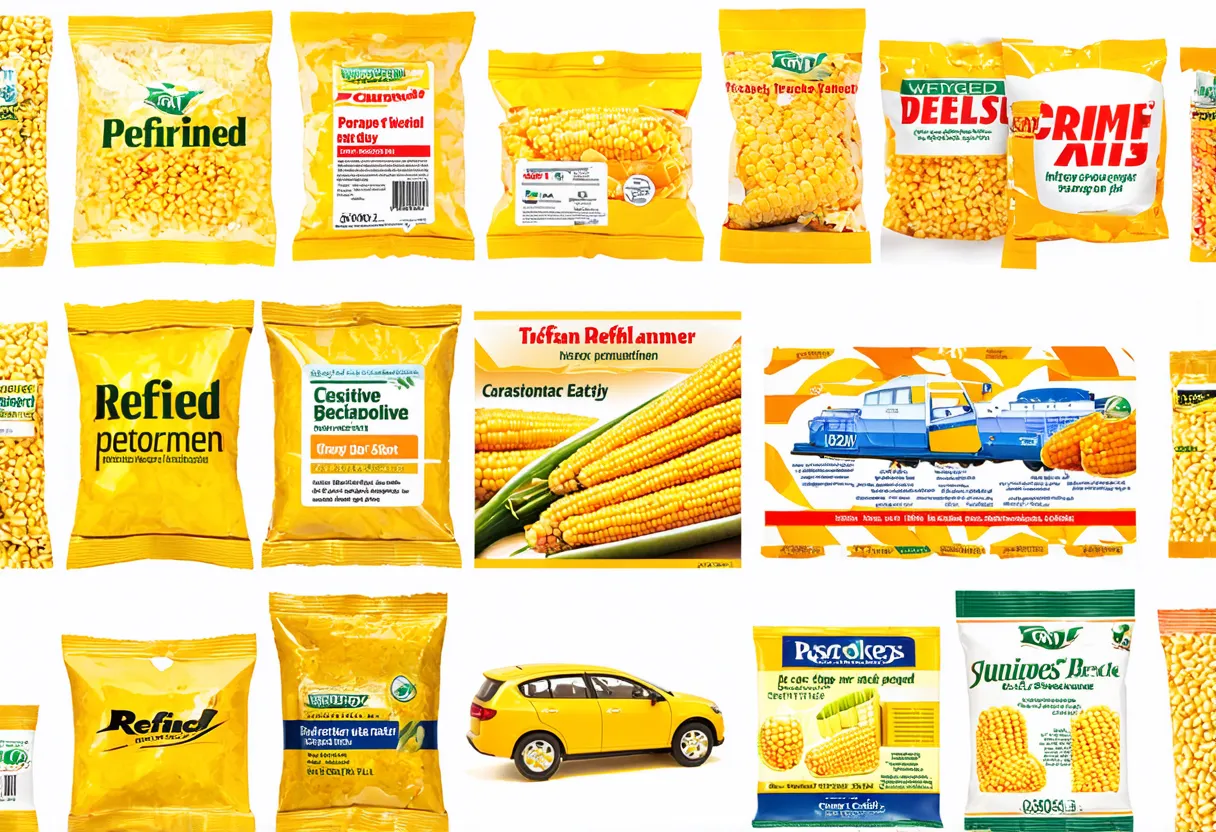 Colombia’s import activities represented approximately 22.6% of its GDP in 2024 (World Bank), with total goods imports of around $64 billion USD.Colombia’s major import activities include refined petroleum, cars, broadcasting equipment, corn, and packaged medicine. Its top import partners are the US (26%), China (25%), Brazil (7%), Mexico (5%), and Germany (3%).
Exports Activities of Colombia
 In 2024, Colombia’s total exports amounted to approximately $49.6 billion USD, representing around 16.0% of GDP (World Bank). Colombia’s export base is concentrated in primary commodities, though diversification is ongoing.Colombia’s export activities are diversified, with its main partners being the US, Panama, Netherlands, India, and Brazil. The country primarily exports crude petroleum, coal, coffee, refined petroleum, and gold.
Colombia economy challenges in 2025
In 2025, Colombia continues to navigate challenges including declining oil reserves, heavy dependence on commodity exports, infrastructure gaps, and fiscal pressures. The government faces the dual task of managing the energy transition away from fossil fuels while maintaining fiscal stability. Successful inflation management and a flexible exchange rate regime remain strengths.Sources
- World Bank: Colombia
- IMF: Colombia
- CIA World Factbook: Colombia
- UN Comtrade: Trade Flow
- SIPRI Military Expenditure Database
Last updated: August 2026



Leave a Reply