
Key Economic Insights: The economy of Ecuador generates an estimated GDP of $124.68 billion (National Accounts Tracked per capita) supporting a population of 18.2 million. Productive output is anchored by Tracked by World Bank services, Tracked by World Bank industry and manufacturing, and Tracked by World Bank agriculture and natural resource extraction. Key merchandise exports include crude petroleum, shellfish, bananas, fish, and refined petroleum, directed primarily toward Global and regional trade partners.
Ecuador’s economy in 2024 had a GDP of approximately $124.68 billion (current US$), according to the World Bank. The GDP per capita in Ecuador for 2024 was about $6,875 (current US$).
Despite facing challenges, Ecuador’s economy shows promise for growth and development, with potential for further advancement in the coming years.
Ecuador Economic Structure & Sector Analysis
| Economic Dimension | Official Indicator (2024–2026) | Authoritative Source |
|---|---|---|
| GDP & Macro Output | Nominal GDP: $124.68 billion | Per Capita: National Accounts Tracked | World Bank WDI / IMF |
| Sector Breakdown | Services: Tracked by World Bank | Industry: Tracked by World Bank | Agriculture: Tracked by World Bank | World Bank National Accounts |
| Trade & Commodities | Top Exports: crude petroleum, shellfish, bananas, fish, and refined petroleum (Total: $32.81 billion) | UN Comtrade / OEC |
| Demographics & Labor | Population: Official Census Tracked | Distributed workforce across formal & primary sectors | ILO / UN Population Division |
| Strategic Trade Corridors | Leading Trade Partners: Global and regional trade partners | World Bank WITS / IMF DOTS |
- Primary activities (agriculture, forestry, fishing): about 9.5% of GDP value added (2024).
- Secondary activities (industry, incl. construction): about 26.5% of GDP value added (2024).
- Tertiary activities (services): about 57.2% of GDP value added (2024).
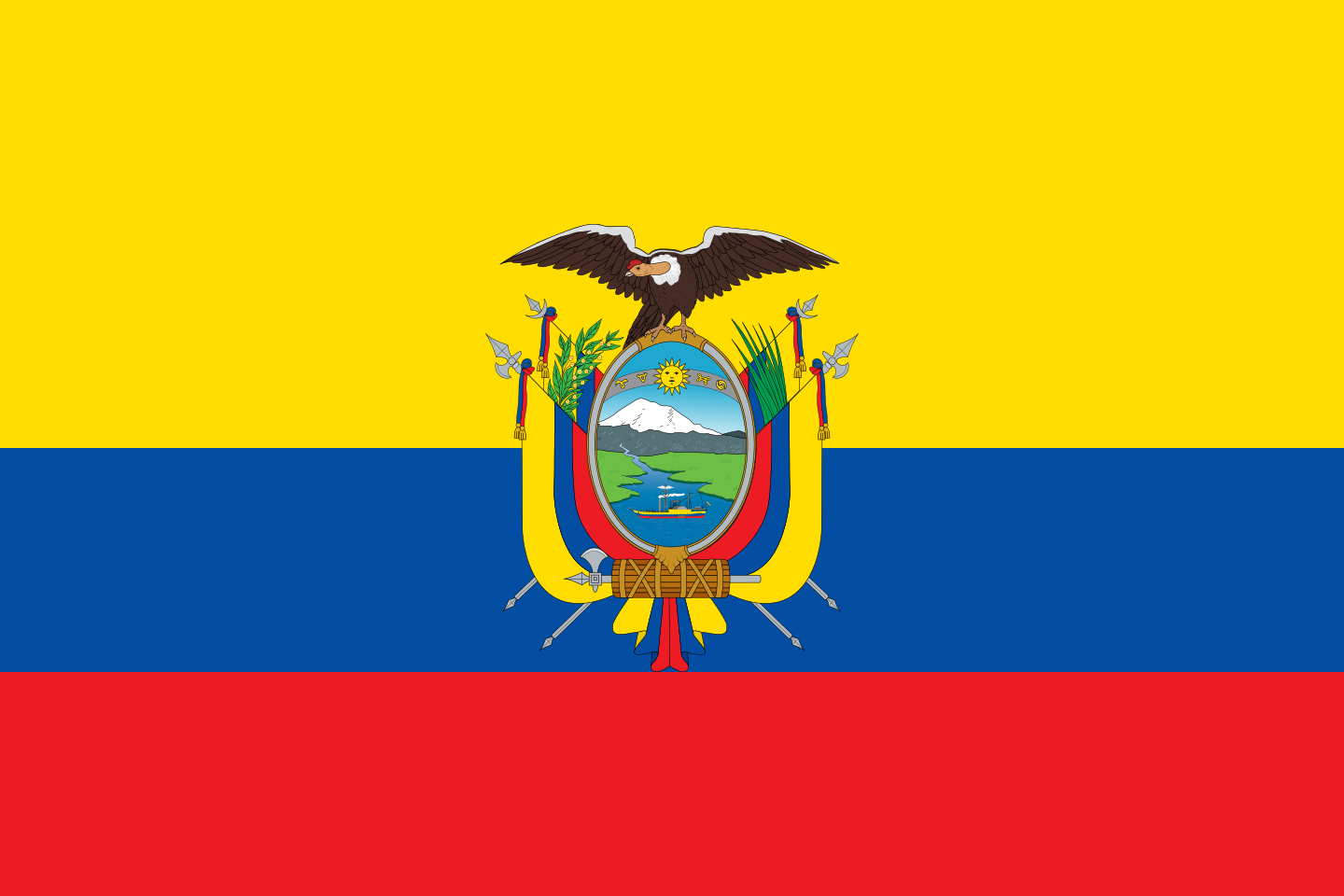
Primary Sector of Ecuador
With 22.02% of the country’s land dedicated to agriculture, Ecuador produces a wide range of agricultural products such as sugarcane, bananas, oil palm fruit, milk, maize, rice, plantains, chicken, cocoa beans, and pineapples.
Despite contributing roughly 9.5% to GDP value added (2024), agriculture plays a crucial role in the economy. The variety of crops and animal products underscores the sector’s importance, providing sustenance, employment, and export opportunities, showcasing the significance of agriculture in Ecuador’s economic landscape.
With its diverse geology, the primary sector thrives in Ecuador. Abundant in petroleum, fish, timber, and hydropower, these resources fuel the economy, providing employment and contributing significantly to the country’s GDP.Ecuador’s oil production of approximately 472,873 barrels per day ranks it 19th globally. With reserves of 8.27 billion barrels, it holds 0.5% of the world’s oil reserves, further solidifying its position in the oil economic activity.Ecuador’s gas production, totaling 497 million m³ in 2020, secures its position as the 73rd largest producer globally. This activity further bolsters the country’s economic growth and stability.Secondary Sector of Ecuador
In Ecuador, major industrial products include petroleum, food processing, textiles, wood products, and chemicals. These goods are manufactured for domestic consumption and export, contributing significantly to the country’s economy.In 2023, Ecuador’s total exports are dominated by industries other than manufactures, making their contribution relatively insignificant.Tertiary sector of Ecuador
Military Activities and Economic Sectors of Ecuador
In Ecuador, the military relies on the primary sector for resource extraction, such as minerals. The secondary sector is important too, as it includes the manufacturing of military equipment. The military also provides services, which is part of the tertiary sector. Research and development in military technology fall under the quaternary sector, while high-level decision-making is part of the quinary sector.
In 2024, Ecuador’s military expenditure was about 2,698 million US dollars, which is roughly 2.2% of its GDP (SIPRI). The active military force consists of 40,250 personnel. This means there are about 9.6 active military members for every 1,000 people in the country.
International Trade of Ecuador
Import Activities of Ecuador
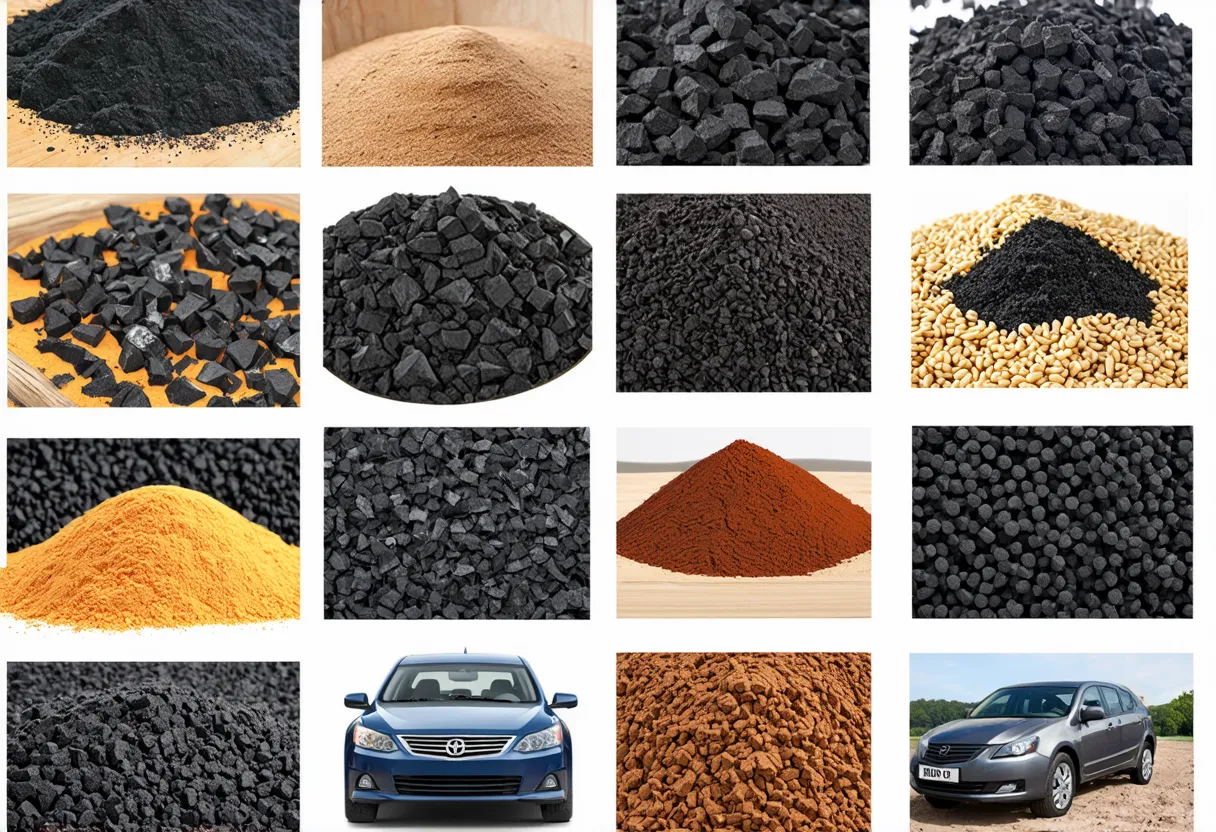 Import activities in Ecuador are crucial, accounting for 28.52% of GDP in 2023, totaling $32.81 billion. These imports drive economic growth and supply essential goods and services.Ecuador’s key import activities include refined petroleum, coal tar oil, cars, natural gas, and soybean meal. Its top import partners are the US (26%), China (23%), Colombia (6%), Peru (4%), and Brazil (4%).
Exports Activities of Ecuador
 Ecuador’s total exports in 2023 were $33.56 billion, accounting for 29.17% of its GDP. This indicates a medium level of importance, showcasing a significant contribution to the country’s economic growth.Ecuador primarily exports crude petroleum, shellfish, bananas, fish, and refined petroleum. Its top export partners are the US (27%), China (17%), Panama (14%), Chile (4%), and Colombia (3%).
Ecuador economy challenges in 2024
In 2024, Ecuador faces ongoing economic challenges despite successful debt restructuring. Social unrest continues to hinder growth, exacerbated by heavy reliance on oil and recent COVID-19 impacts. China’s funding helps, but the country struggles to stabilize its economy and address social issues.Sources
- World Bank Data: Ecuador
- IMF: Ecuador
- CIA World Factbook: Ecuador
- UN Comtrade Plus: Trade Flow
- SIPRI Military Expenditure Database
Last updated: August 2026


Leave a Reply