
Key Economic Insights: The economy of South Korea generates an estimated GDP of $1.88 trillion ($36,239 per capita) supporting a population of 51,751,065. Productive output is anchored by 58.3% services, 39.3% industry and manufacturing, and 2.2% agriculture and natural resource extraction. Key merchandise exports include integrated circuits, refined petroleum, cars, broadcasting equipment, and ships.
As of 2024, Korea, Rep. has solidified its economic position with a GDP of approximately 1.88 trillion USD, ranking 12th globally. Korea, Rep. also boasts a GDP per capita of 36,238.60 USD.
Korea, Rep. continues to demonstrate steady economic growth and resilience in the global market, positioning itself as a key player in the international economic landscape.
South Korea Economic Structure & Sector Analysis
| Economic Dimension | Figure | Authoritative Source |
|---|---|---|
| GDP & Macro Output | Nominal GDP: $1.88 trillion | Per Capita: $36,239 | World Bank WDI / IMF |
| Sector Breakdown | Services: 58.3% | Industry: 39.3% | Agriculture: 2.2% | World Bank National Accounts |
| Trade & Commodities | Top Exports: integrated circuits, refined petroleum, cars, broadcasting equipment, and ships | UN Comtrade / OEC |
| Demographics & Labor | Population: 51,751,065 | ILO / UN Population Division |
- Primary activities: 2.2% of GDP.
- Secondary activities: 39.3% of GDP.
- Tertiary activities: 58.3% of GDP.
Primary Sector of South Korea
With 16.42% of the country’s land dedicated to agriculture, South Korea produces a variety of crops and animal products. The main agricultural products include rice, vegetables, cabbages, milk, pork, onions, chicken, eggs, tangerines/mandarins, and potatoes.
Despite agriculture contributing 2.2% to the GDP, these products play a crucial role in the country’s economy. The diverse range of crops and animal products not only sustains the agricultural sector but also provides essential resources for the nation.
With diverse geology, the primary sector thrives on abundant natural resources like coal, tungsten, graphite, molybdenum, lead, and hydropower potential. These resources drive the economy through mining, energy production, and export industries.Secondary Sector of South Korea
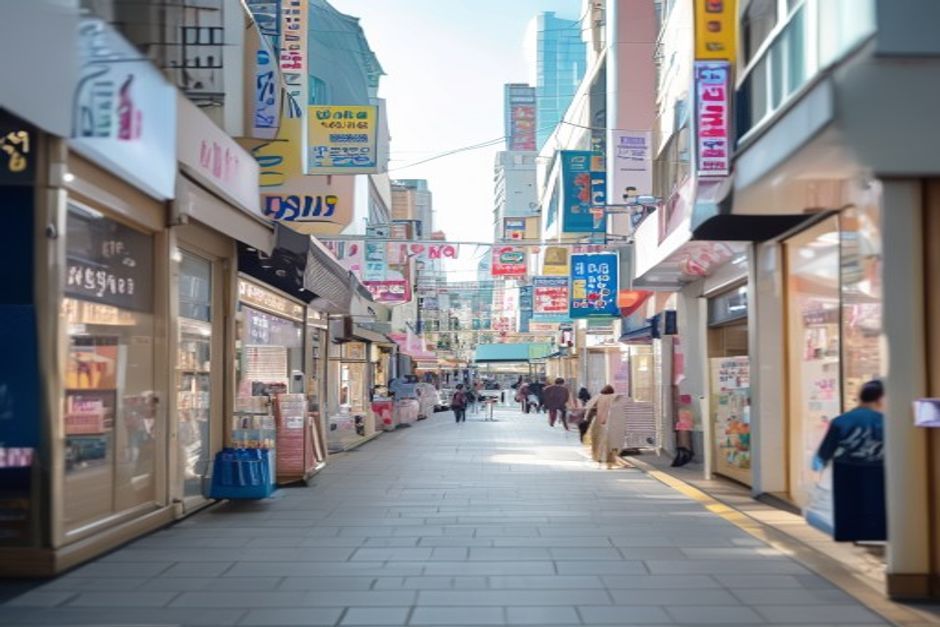
The secondary sector involves industries that create finished products ready for consumption. It takes raw materials from primary activities and manufactures new goods for domestic sale or export. In South Korea, the main industrial products include electronics, automobile production, chemicals, shipbuilding, and steel.Manufactures play a crucial role in South Korea’s total exports, accounting for 85.11% in 2023. This highlights the significant contribution of the manufacturing sector to the country’s economy.Tertiary sector of South Korea
International Trade of South Korea
Import Activities of South Korea
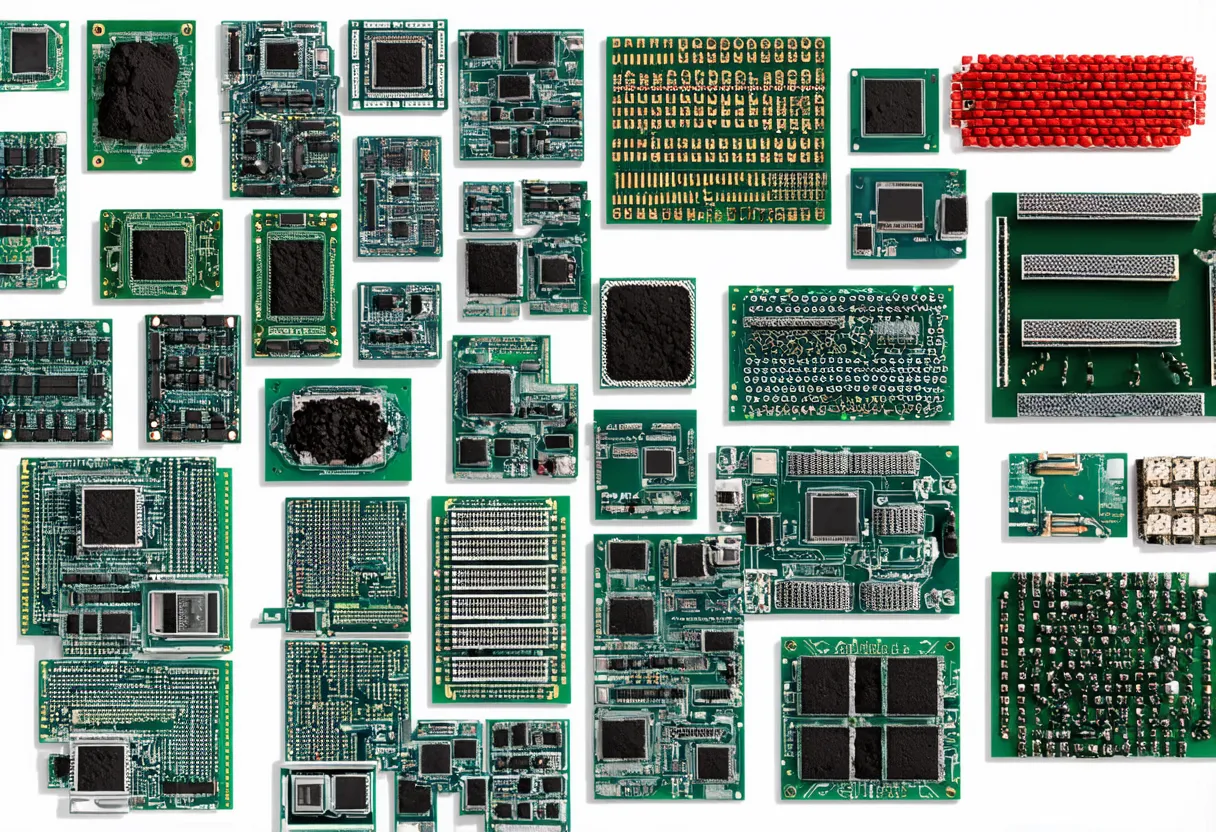 As of 2024, South Korea’s import activities play a crucial role, with goods imports totaling approximately $632 billion.South Korea’s import activities are crucial for its economy, with major partners including China, the US, Japan, Australia, and Saudi Arabia. The country imports commodities such as crude petroleum, integrated circuits, natural gas, coal, and refined petroleum to meet its industrial and energy needs.
Exports Activities of South Korea
 As of 2024, South Korea’s goods exports reached a record of approximately $683.8 billion, with exports of goods and services equal to about 44% of GDP. This high percentage underscores the critical importance of export activities in driving the country’s economy.South Korea’s export activities are diversified, with major partners including China, the US, Vietnam, Japan, and Hong Kong. Key export commodities are integrated circuits, refined petroleum, cars, broadcasting equipment, and ships.
South Korea economy challenges in 2024
South Korea faces challenges in 2024 with an aging workforce and the need to balance fiscal restraint with industry support. The strong export and technology focus of the economy, led by semiconductor and automotive industries, requires ongoing innovation to stay competitive globally.Sources
- World Bank Data: Korea, Rep.
- CIA World Factbook: Korea, South
- IMF: Republic of Korea
- UN Comtrade Plus: Trade Flow
Last updated: August 2026


Leave a Reply