
Key Economic Insights: The economy of Peru generates an estimated GDP of $289.22 billion ($8,452 per capita) supporting a population of 34,217,848. Productive output is anchored by 59.9% services, 32.7% industry and manufacturing, and 7.6% agriculture and natural resource extraction. Key merchandise exports include Manufactured goods, mineral resources, and agricultural commodities, directed primarily toward Global and regional trade partners.
As of 2024, Peru’s economy had a GDP of approximately $289.22 billion (World Bank), ranking among the top economies in Latin America. In terms of GDP per capita, Peru reached approximately $8,452 (current US$, World Bank, as of 2024).
Peru’s economy, which grew about 3.3% in 2024, shows stability and growth potential, positioning it as a key player in the global market.
Peru Economic Structure & Sector Analysis
| Economic Dimension | Official Indicator (2024–2026) | Authoritative Source |
|---|---|---|
| GDP & Macro Output | Nominal GDP: $289.22 billion | Per Capita: $8,452 | World Bank WDI / IMF |
| Sector Breakdown | Services: 59.9% | Industry: 32.7% | Agriculture: 7.6% | World Bank National Accounts |
| Trade & Commodities | Top Exports: Manufactured goods, mineral resources, and agricultural commodities (Total: $2,565 million) | UN Comtrade / OEC |
| Demographics & Labor | Population: 34,217,848 | Distributed workforce across formal & primary sectors | ILO / UN Population Division |
| Strategic Trade Corridors | Leading Trade Partners: Global and regional trade partners | World Bank WITS / IMF DOTS |
- Primary activities: 7.6% of GDP.
- Secondary activities: 32.7% of GDP.
- Tertiary activities: 59.9% of GDP.

Primary Sector of Peru
With approximately 19.93% of the country’s land dedicated to agriculture, Peru produces a variety of crops and animal products. Some of the main agricultural products include sugarcane, potatoes, rice, bananas, milk, chicken, maize, oil palm fruit, cassava, and grapes.
Despite agriculture contributing 7.6% to the GDP, its significance lies in the variety and importance of these products to the country’s economy. The top ten agricultural products based on tonnage highlight the country’s agricultural richness and the sector’s essential role in sustaining livelihoods and promoting economic growth.
With a diverse geological landscape, the primary sector thrives with abundant natural resources like copper, silver, gold, and petroleum. These resources fuel the economy, alongside timber, fish, iron ore, coal, phosphate, potash, hydropower, natural gas.Peru’s oil production of around 38,391 barrels per day contributes significantly to its economy, ranking 37th globally. With reserves of 682,681,000 barrels, the country holds 0.06% of the world’s oil reserves.Peru’s natural gas production in 2020 reached 12,620 million m³, ranking 37th in the world. This significant output contributes to the country’s gas economic activity, supporting its diverse primary sector and overall economy.Secondary Sector of Peru
In Peru, major industrial products include minerals refining, steel, metal fabrication, petroleum extraction, natural gas liquefaction, fish processing, cement, textiles, food processing, machinery, and chemicals.In 2023, Peru’s manufactures exports accounted for only 9.87% of its total exports, indicating their relatively low significance in the country’s export economy.Tertiary sector of Peru

Military Activities and Economic Sectors of Peru
In the primary sector, resources are extracted for military use, like metals for weapons. The secondary sector includes the manufacturing of military equipment, such as vehicles and weapons. The military also provides services in the tertiary sector, offering support and protection. Research and development in the quaternary sector helps improve military technology, while high-level decision-making in the quinary sector shapes military strategy.
As of 2023, Peru’s military expenditure was about $2,565 million, equivalent to roughly 1.1% of the country’s GDP (World Bank/SIPRI). The active military force has 81,000 personnel, resulting in about 11 active military members for every 1,000 people in the population.
International Trade of Peru
Import Activities of Peru
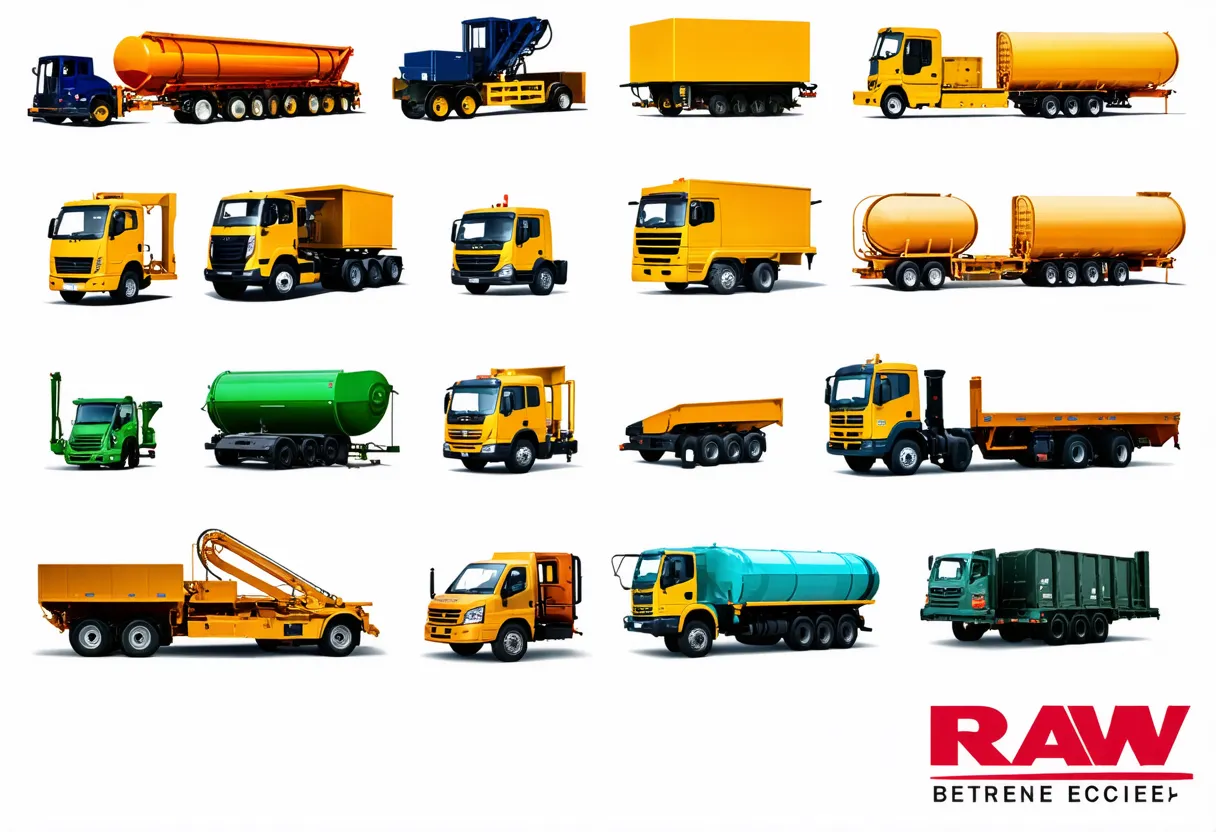 As of 2024, Peru’s imports of goods totaled approximately $55.02 billion, equivalent to roughly 19% of GDP. This highlights the significant role imports play in the country’s economy.Peru’s import activities are diverse, with key partners like China and the US. The country imports refined petroleum, crude petroleum, cars, broadcasting equipment, and trucks mainly from China (27%), the US (24%), Brazil (6%), Argentina (4%), and Chile (3%).
Exports Activities of Peru
 As of 2024, Peru’s total exports of goods reached a record of approximately $74.66 billion (BCRP/MINCETUR), accounting for roughly 26% of its GDP. This signifies a medium level of importance, highlighting the country’s significant reliance on export activities for economic growth and stability.Peru’s export activities focus on commodities such as copper ore, gold, natural gas, refined copper, and refined petroleum. The country’s main export partners are China (30%), the US (15%), Japan (5%), Canada (5%), and South Korea (4%).
Peru economy challenges in 2024
Peru, an upper middle-income South American economy, faces challenges in 2024. Despite rebounding from political instability and COVID-19, it struggles with income inequality and being the second-largest cocaine producer. The country’s diversified exports and improving current account balance offer hope for the future.Sources
- World Bank: Peru
- IMF: Peru
- CIA World Factbook: Peru
- Trading Economics: Peru
- UN Comtrade Plus: Trade Flow
Last updated: August 2026



Leave a Reply