
By nominal GDP per capita, the world’s poorest countries are concentrated in conflict-affected and Sub-Saharan African nations — Yemen, South Sudan, Burundi and the Central African Republic among them. Most produce under $1,000 per person a year. Globally, about 838 million people still live in extreme poverty (World Bank).
The poorest countries in the world (2026)
Measured by nominal GDP per capita, the lowest-income countries produce only a few hundred dollars of output per person each year — a fraction of the world average of $13,664 (World Bank, 2024). Nearly all are affected by conflict, political instability or geographic isolation.
| Rank | Country | GDP per capita (USD, nominal, est.) |
|---|---|---|
| 1 | Yemen | ~384 |
| 2 | Afghanistan | ~448 |
| 3 | South Sudan | ~488 |
| 4 | Burundi | ~546 |
| 5 | Central African Republic | ~613 |
| 6 | Mozambique | ~632 |
| 7 | Madagascar | ~656 |
| 8 | Malawi | ~733 |
| 9 | Somalia | ~813 |
| 10 | Niger | ~822 |
| 11 | Sudan | ~864 |
| 12 | Sierra Leone | ~919 |
Source: IMF World Economic Outlook (2026 estimates), nominal GDP per capita. Figures for conflict-affected countries are estimates and carry wide uncertainty.
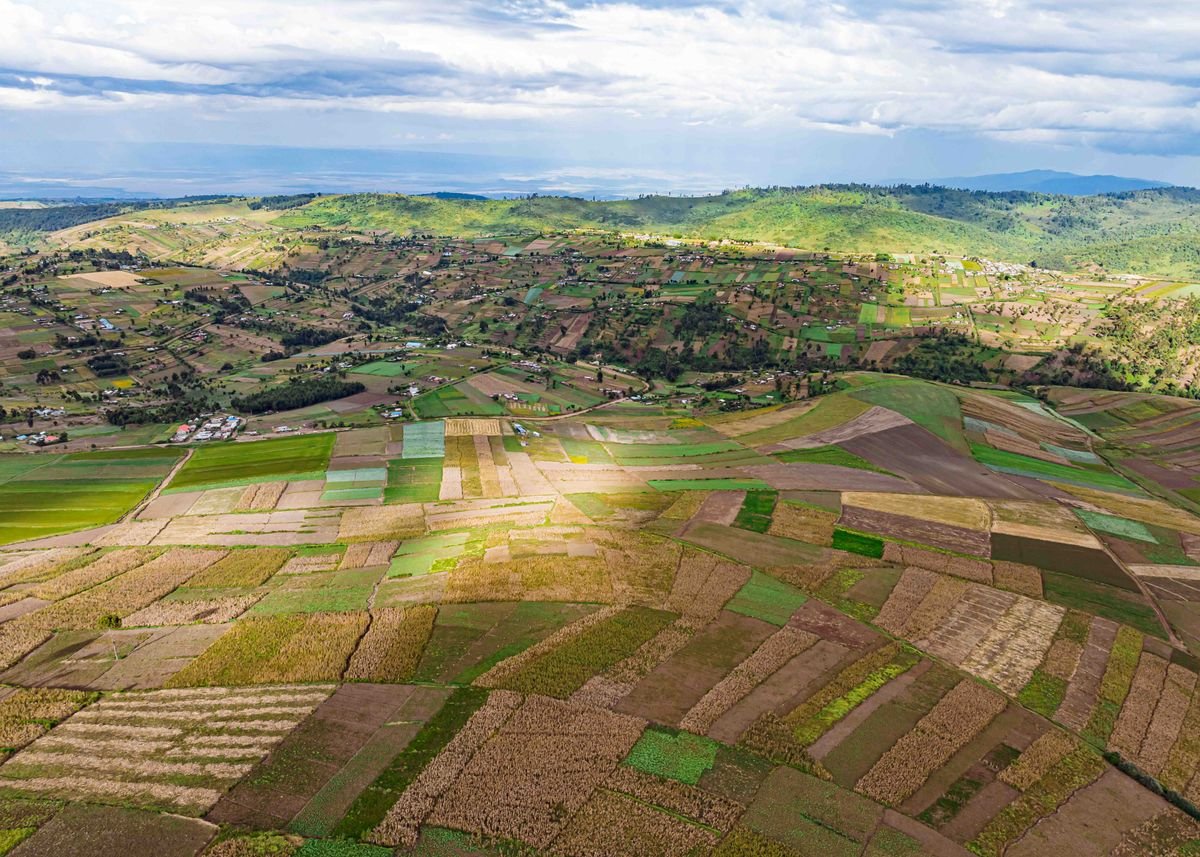
Why are these countries poor?
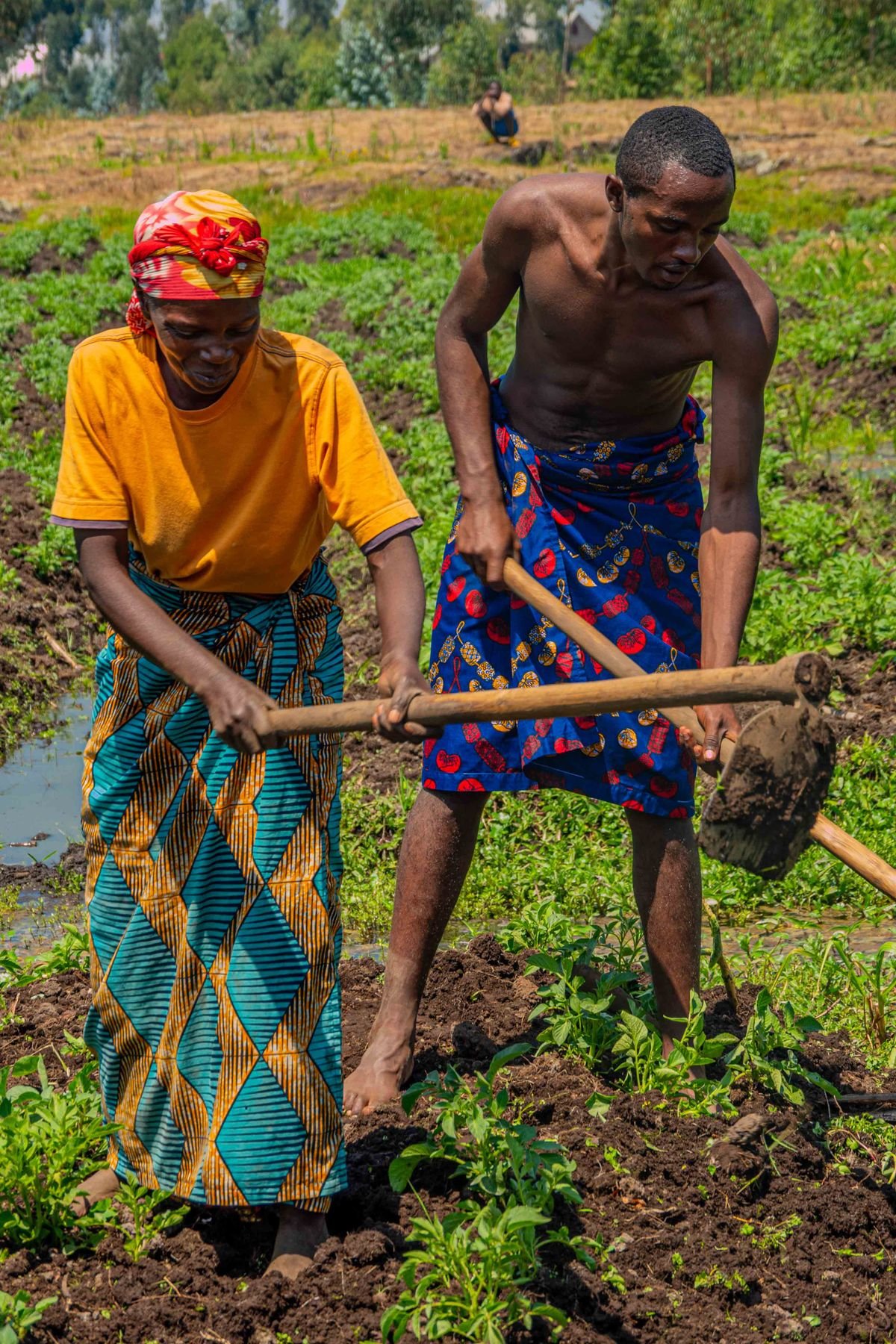
Low income rarely has a single cause. Armed conflict (Yemen, South Sudan, Sudan, Somalia), political instability, landlocked geography, weak institutions and climate shocks all trap economies in the primary sector with little industry. Of the 44 Least Developed Countries recognised by the UN, 33 are in Africa (UNCTAD). Worldwide, about 838 million people lived in extreme poverty in 2022 under the World Bank’s updated $3.00-a-day line (World Bank), and roughly one in ten people still fall below it (UN, 2025).
Key takeaways
- The poorest countries produce under $1,000 of GDP per person a year (IMF, 2026 estimates).
- Most are conflict-affected or in Sub-Saharan Africa: 33 of 44 Least Developed Countries are African (UNCTAD).
- About 838 million people live in extreme poverty worldwide (World Bank, $3.00/day line).
- Causes include conflict, weak institutions, landlocked geography and climate shocks.
Nominal vs purchasing power
This list uses nominal GDP per capita. On a purchasing power parity (PPP) basis, which adjusts for lower local prices, the order shifts slightly — South Sudan and Burundi typically rank among the very poorest — but the same group of conflict-affected and Sub-Saharan African countries stays at the bottom.
Frequently asked questions
What is the poorest country in the world?
By nominal GDP per capita, Yemen and South Sudan are among the poorest, producing under $500 per person a year (IMF, 2026 estimates). Rankings shift between conflict-affected states, and figures for them are uncertain.
Why are these countries so poor?
Most combine several disadvantages: armed conflict, political instability, landlocked geography, weak institutions and vulnerability to climate shocks. These keep economies dependent on subsistence agriculture with little industry or investment.
How many people live in extreme poverty?
About 838 million people lived in extreme poverty in 2022 under the World Bank’s $3.00-a-day line, roughly one in ten of the world’s population (World Bank; UN, 2025). The majority live in Sub-Saharan Africa.
Sources
- IMF, World Economic Outlook (2026 estimates), GDP per capita — retrieved 2026-07-04 — imf.org
- World Bank, June 2025 update to global poverty lines — retrieved 2026-07-04 — worldbank.org
- UNCTAD, List of Least Developed Countries — retrieved 2026-07-04 — unctad.org
- UN Statistics Division, SDG Report 2025 (Goal 1) — retrieved 2026-07-04 — unstats.un.org
Last updated: July 4, 2026



Leave a Reply