
Key Economic Insights: The economy of Sierra Leone generates an estimated GDP of $7.55 billion ($873 per capita) supporting a population of 8,605,718. Productive output is anchored by 32.9% services, 6.5% industry and manufacturing, and 60.7% agriculture and natural resource extraction. Key merchandise exports include Manufactured goods, mineral resources, and agricultural commodities, directed primarily toward China, Belgium, UAE, Germany, and the Netherlands, with China accounting for 54% of exports.
As of 2024, Sierra Leone’s economy reflects a GDP of approximately $7.55 billion (World Bank). In terms of GDP per capita, Sierra Leone stands at about $873, placing it among the world’s lower-income economies.
Despite facing challenges, Sierra Leone continues to strive for economic growth and development, focusing on sectors such as agriculture, mining, and tourism to improve its economic standing on the global stage.
Sierra Leone Economic Structure & Sector Analysis
| Economic Dimension | Official Indicator (2024–2026) | Authoritative Source |
|---|---|---|
| GDP & Macro Output | Nominal GDP: $7.55 billion | Per Capita: $873 | World Bank WDI / IMF |
| Sector Breakdown | Services: 32.9% | Industry: 6.5% | Agriculture: 60.7% | World Bank National Accounts |
| Trade & Commodities | Top Exports: Manufactured goods, mineral resources, and agricultural commodities (Total: $22.4 million) | UN Comtrade / OEC |
| Demographics & Labor | Population: 8,605,718 | Distributed workforce across formal & primary sectors | ILO / UN Population Division |
| Strategic Trade Corridors | Leading Trade Partners: China, Belgium, UAE, Germany, and the Netherlands, with China accounting for 54% of exports | World Bank WITS / IMF DOTS |
- Primary activities: 60.7% of GDP.
- Secondary activities: 6.5% of GDP.
- Tertiary activities: 32.9% of GDP.

Primary Sector of Sierra Leone
With 54.71% of the land dedicated to agriculture, the country produces a variety of crops and animal products. The top ten agricultural products include cassava, rice, oil palm fruit, vegetables, sweet potatoes, milk, citrus fruits, groundnuts, fruits, and sugarcane.
Despite agriculture contributing 60.7% to the GDP, its significance lies in the diversity and importance of these products to the country’s economy, sustaining livelihoods and food security.
The country’s rich geological diversity contributes to a variety of natural resources. Diamonds, titanium ore, bauxite, iron ore, gold, and chromite are among the primary resources driving the economy, with mining playing a significant role in shaping the country’s economic landscape.Secondary Sector of Sierra Leone
In Sierra Leone, main industrial products include small-scale manufacturing of beverages, textiles, and footwear. These goods are produced for domestic consumption and export, contributing to the country’s economy and employment opportunities.In 2023, Sierra Leone’s manufactures exports accounted for a small percentage of the total exports, indicating their limited importance in driving the country’s economy and trade dynamics.Tertiary sector of Sierra Leone
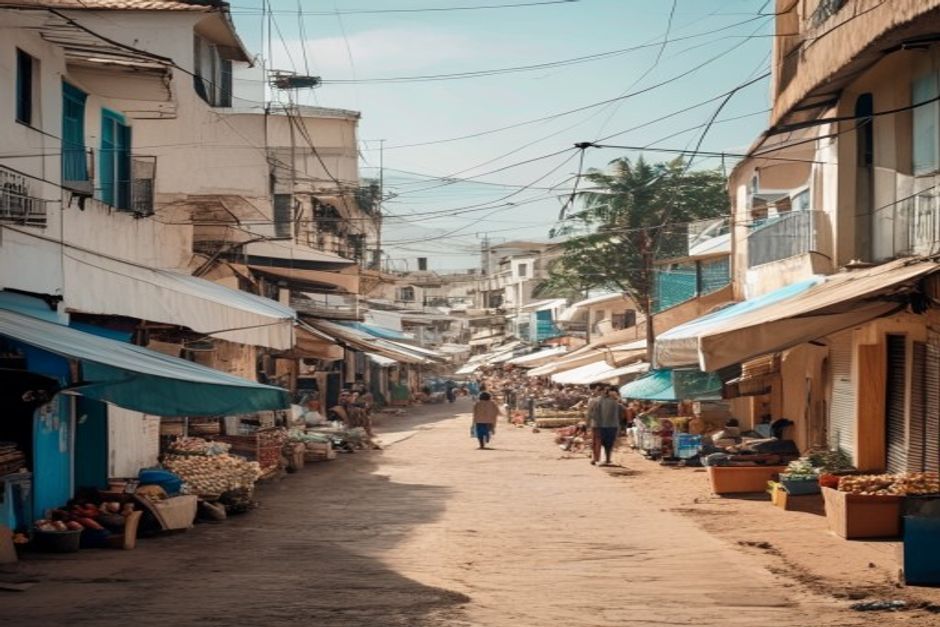
Military Activities and Economic Sectors of Sierra Leone
In Sierra Leone, the military uses resources from the primary sector, like minerals, for its needs. The secondary sector is involved in making military equipment. Services from the tertiary sector help support the military, while the quaternary sector focuses on research and development. High-level decisions in the quinary sector guide military strategy and planning.
In 2023, Sierra Leone’s military expenditure was $22.4 million, which is 0.60% of its GDP. The country has an active military force of 8,500 personnel, resulting in 1.3 active military members for every 1,000 people in the population.
International Trade of Sierra Leone
Import Activities of Sierra Leone
 Sierra Leone’s high import activities, accounting for 56.22% of GDP, are crucial for meeting domestic demand and fueling economic growth.Sierra Leone’s key import activities include sourcing rice, plastic products, refined petroleum, vaccines, and packaged medicine. The country’s top import partners are China (33%), India (12%), Turkey (9%), US (6%), and UAE (5%).
Exports Activities of Sierra Leone
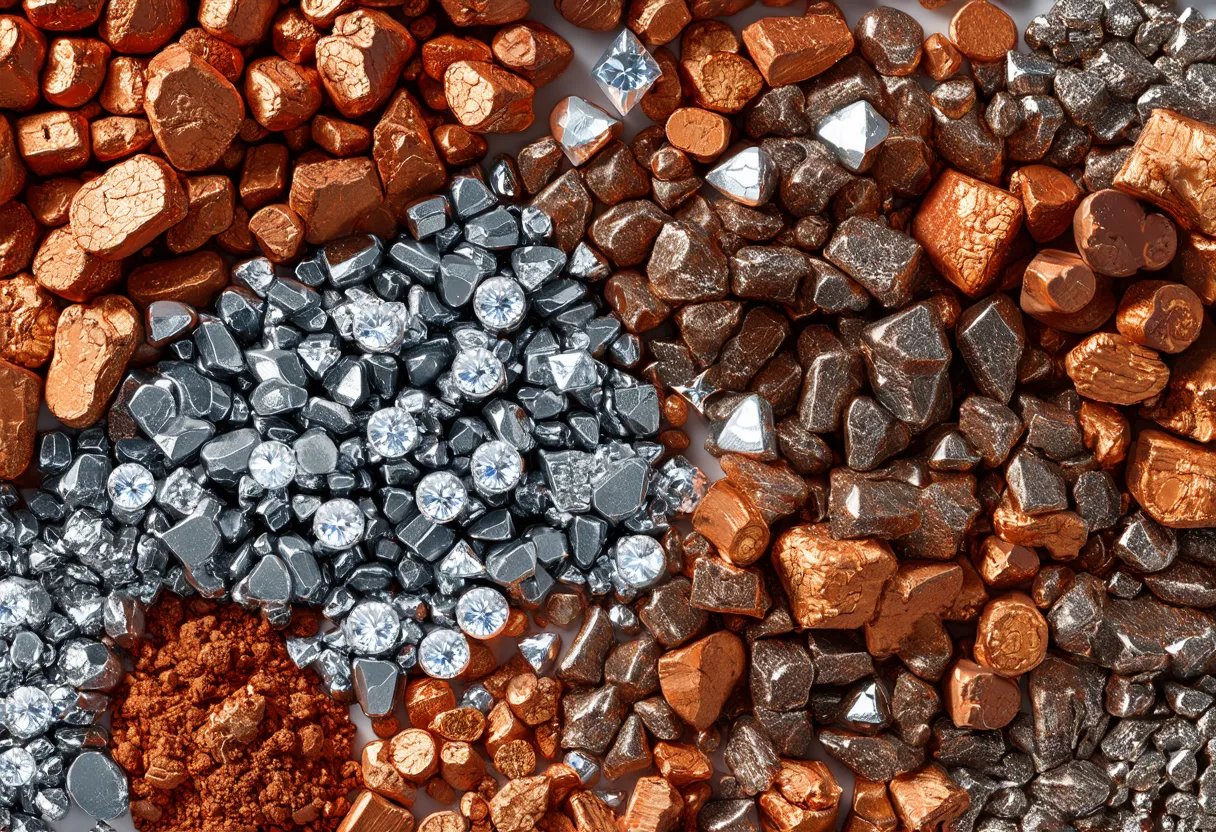 In Sierra Leone, with total exports of approximately $1.5 billion as of 2024, export activities play a medium to high importance role in driving economic growth and stability.Sierra Leone’s export activities are diverse, with iron ore, diamonds, and wood being the main commodities. The country’s top export partners include China, Belgium, UAE, Germany, and the Netherlands, with China accounting for 54% of exports.
Sierra Leone economy challenges in 2024
In 2024, Sierra Leone faces challenges with its low-income economy, halted mining activities, post-war recovery, corruption, debt, and high youth unemployment. The country’s natural resources offer potential but are underutilized.Sources
- World Bank: Sierra Leone
- IMF: Sierra Leone
- CIA World Factbook: Sierra Leone
- UN Comtrade Plus: Trade Flow
Last updated: August 2026


Leave a Reply