
Key Economic Insights: The economy of South Sudan generates an estimated GDP of $4.6 billion supporting a population of 12 million. Productive output is anchored by 57.8% services, 2.6% industry and manufacturing, and 39.6% agriculture and natural resource extraction. Its main export partners include China (44%), Italy (26%), Singapore (12%), Japan (9%), and the UAE (8%).
As of 2022, South Sudan’s nominal GDP was about $7.0 billion. The economy has since contracted sharply: real GDP fell by an estimated 26% in 2024 as the conflict in neighbouring Sudan disrupted oil exports, leaving nominal GDP near $4.6 billion in 2024 (World Bank estimate). GDP per capita remains among the world’s lowest, at roughly $300–470 depending on the year and source.
Despite facing economic difficulties, South Sudan is working towards improving its economic stability and growth in the coming years.
South Sudan Economic Structure & Sector Analysis
| Economic Dimension | Figure | Authoritative Source |
|---|---|---|
| GDP & Macro Output | Nominal GDP: $4.6 billion | World Bank WDI / IMF |
| Sector Breakdown | Services: 57.8% | Industry: 2.6% | Agriculture: 39.6% | World Bank National Accounts |
| Demographics & Labor | Population: 12 million | ILO / UN Population Division |
| Strategic Trade Corridors | Leading Trade Partners: China (44%), Italy (26%), Singapore (12%), Japan (9%), and the UAE (8%) | World Bank WITS / IMF DOTS |
- Primary activities: 39.6% of GDP.
- Secondary activities: 2.6% of GDP.
- Tertiary activities: 57.8% of GDP.
Primary Sector of South Sudan
With 44.71% of the land dedicated to agriculture, the country produces a variety of crops and animal products. The main agricultural products include milk, cassava, sorghum, goat milk, vegetables, fruits, maize, groundnuts, sesame seeds, and beef.
Despite agriculture contributing 39.6% to the GDP, its significance lies in the diverse range of products it offers, sustaining livelihoods and food security for the population.
With its diverse geology, South Sudan benefits from abundant natural resources including hydropower, fertile land, gold, diamonds, petroleum, hardwoods, and various minerals. These resources play a crucial role in driving the economy through agriculture, mining, and energy production.Secondary Sector of South Sudan
In South Sudan, the main industrial products are beer, soft drinks, sugar, and other food products. These goods are manufactured for domestic consumption and export, contributing to the country’s economy and development.In 2023, South Sudan’s total exports are dominated by natural resources, making the contribution of manufactures relatively insignificant, highlighting the country’s heavy reliance on raw materials for its export revenue.Tertiary sector of South Sudan
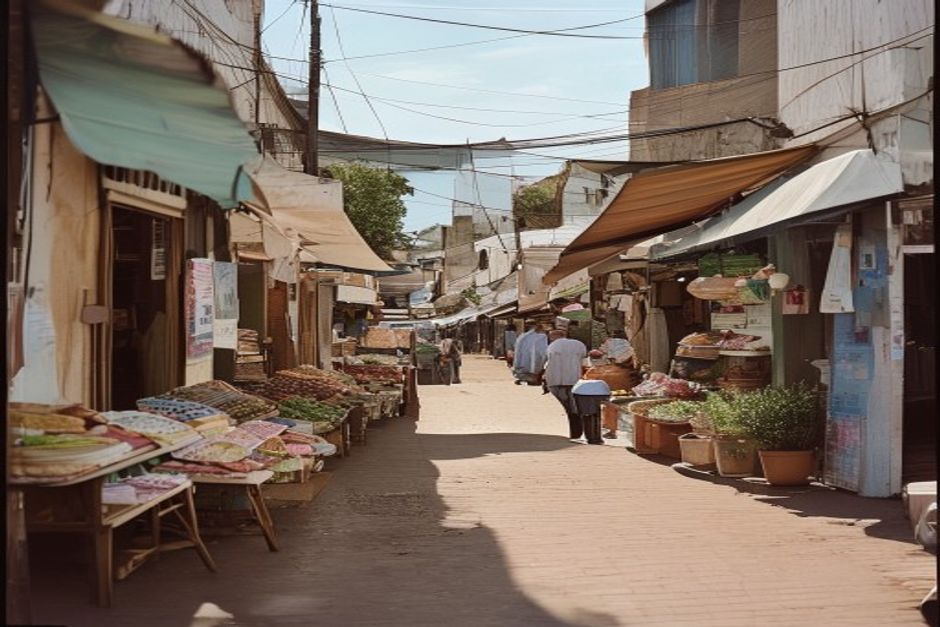
Military Activities and Economic Sectors of South Sudan
In South Sudan, the primary sector helps by providing resources needed for military use, like oil and minerals. The secondary sector focuses on manufacturing military equipment, while the tertiary sector includes services like logistics and support. The quaternary sector involves military research and development, and the quinary sector is about high-level decision-making and strategy in defense.
In 2023, South Sudan’s military expenditure was $1,076.2 million, which is 3.02% of the country’s GDP. The active military force consists of 185,000 personnel, resulting in about 18.1 active military members for every 1,000 people in the country.
Biggest company in South Sudan
Which is the biggest company in South Sudan? The largest and most significant company is the Nile Petroleum Corporation (Nilepet), the state-owned national oil and gas company founded in 2009. Because oil accounts for the overwhelming majority of government revenue and exports, Nilepet is the dominant economic actor in the country. Reliable revenue figures are limited given the conflict-affected economy.International Trade of South Sudan
Import Activities of South Sudan
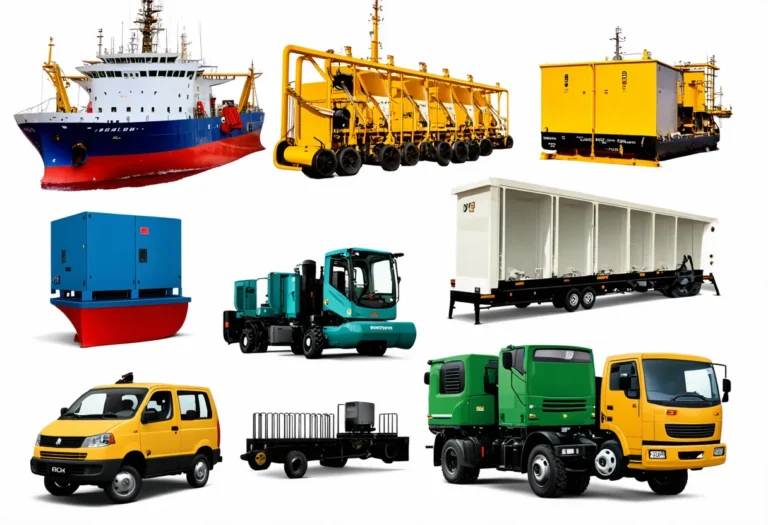
 The import activities of South Sudan are of high importance, accounting for 13.38% of GDP in 2023, totaling $938 million.South Sudan’s key import partners are UAE, Kenya, China, US, and India. The country mainly imports garments, cars, trucks, packaged medicine, and malt extract.
Exports Activities of South Sudan
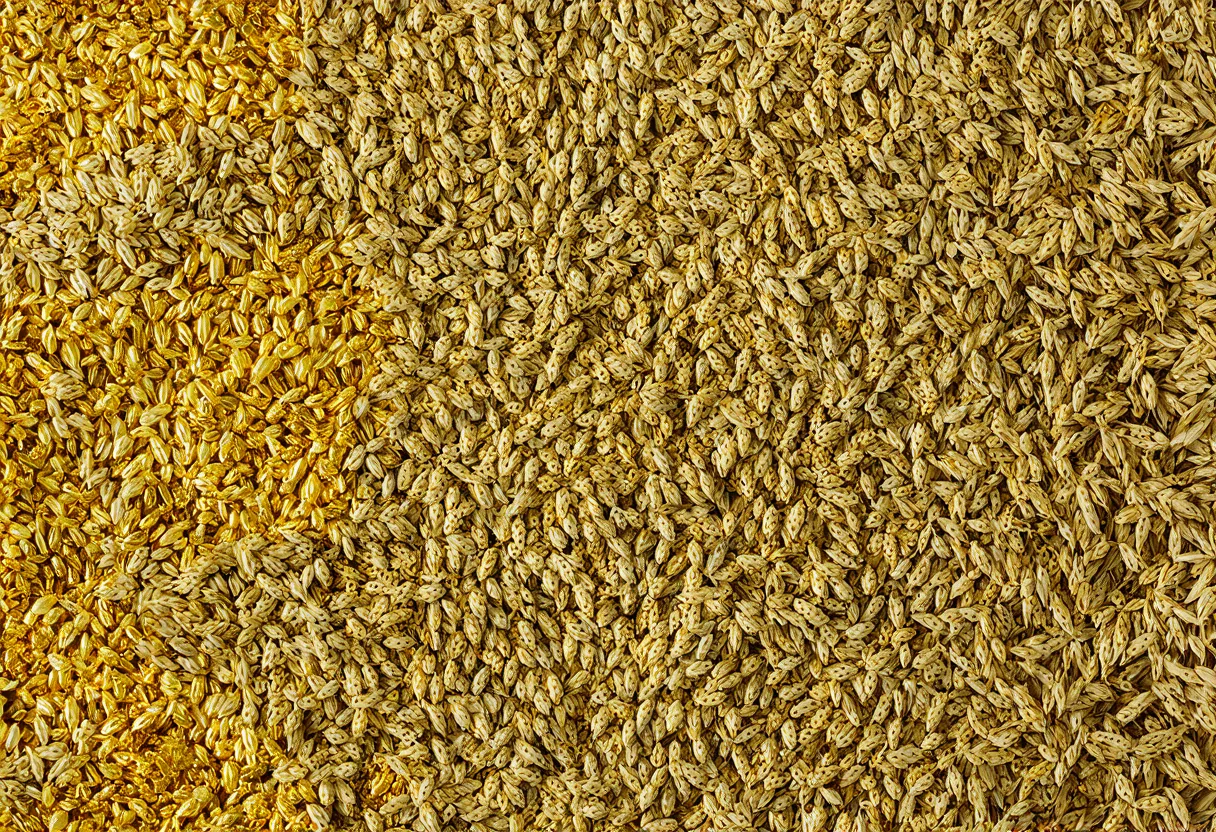 South Sudan’s total exports in 2023 amounted to $544 million, representing 7.76% of its GDP. With a low importance level, export activities play a minor role in the country’s economy.South Sudan’s export activities are primarily focused on crude petroleum, refined petroleum, gold, forage crops, and barley. The country’s key export partners include China (44%), Italy (26%), Singapore (12%), Japan (9%), and the UAE (8%).
South Sudan economy challenges in 2024
South Sudan faces challenges in 2024 with its low-income, oil-based economy, extreme poverty, and food insecurity. COVID-19 and ongoing violence hinder its socioeconomic potential. Land and property rights issues persist, despite being rich in natural resources but lacking infrastructure.Sources
-
t
- World Bank: South Sudan t
- IMF: South Sudan t
- CIA World Factbook: South Sudan t
- UN Comtrade Plus: Trade Flow
Last updated: August 2026


Leave a Reply