
Key Economic Insights: The economy of Madagascar generates an estimated GDP of $17.42 billion (National Accounts Tracked per capita) supporting a population of 31,964,956. Productive output is anchored by Tracked by World Bank services, Tracked by World Bank industry and manufacturing, and Tracked by World Bank agriculture and natural resource extraction. Key merchandise exports include Manufactured goods, mineral resources, and agricultural commodities, directed primarily toward Global and regional trade partners.
As of 2024, Madagascar’s economy reflects a GDP of approximately $17.42 billion. The GDP per capita for Madagascar in 2024 is approximately $545.
Despite facing challenges, Madagascar’s economy shows potential for growth and development in the coming years.
Madagascar Economic Structure & Sector Analysis
| Economic Dimension | Official Indicator (2024–2026) | Authoritative Source |
|---|---|---|
| GDP & Macro Output | Nominal GDP: $17.42 billion | Per Capita: National Accounts Tracked | World Bank WDI / IMF |
| Sector Breakdown | Services: Tracked by World Bank | Industry: Tracked by World Bank | Agriculture: Tracked by World Bank | World Bank National Accounts |
| Trade & Commodities | Top Exports: Manufactured goods, mineral resources, and agricultural commodities (Total: $3.67 billion) | UN Comtrade / OEC |
| Demographics & Labor | Population: 31,964,956 | Distributed workforce across formal & primary sectors | ILO / UN Population Division |
| Strategic Trade Corridors | Leading Trade Partners: Global and regional trade partners | World Bank WITS / IMF DOTS |
- Primary activities (agriculture): about 22% of GDP (as of 2024).
- Secondary activities (industry): about 23% of GDP (as of 2024).
- Tertiary activities (services): about 45% of GDP (as of 2024).
Primary Sector of Madagascar
With 70.29% of the land dedicated to agriculture, the country produces a variety of crops like rice, sugarcane, cassava, sweet potatoes, and a range of fruits and vegetables.
Despite contributing about 22% to the GDP (as of 2024), agriculture remains a crucial part of the economy. The top ten agricultural products, including milk, bananas, mangoes, and potatoes, showcase the sector’s significance in providing food security and livelihoods for many Malagasy people.
With diverse geological formations, the primary sector thrives in Madagascar. Rich in graphite, chromite, coal, bauxite, rare earth elements, and more, these resources drive the economy through mining, fishing, and hydropower production.Secondary Sector of Madagascar
In Madagascar, the main industrial products include meat processing, seafood, soap, beer, leather, sugar, textiles, glassware, cement, automobile assembly plants, paper, and petroleum.In 2023, Madagascar’s manufactures exports accounted for 25.74% of its total exports, indicating that while significant, other sectors play a more crucial role in the country’s economy.Tertiary sector of Madagascar
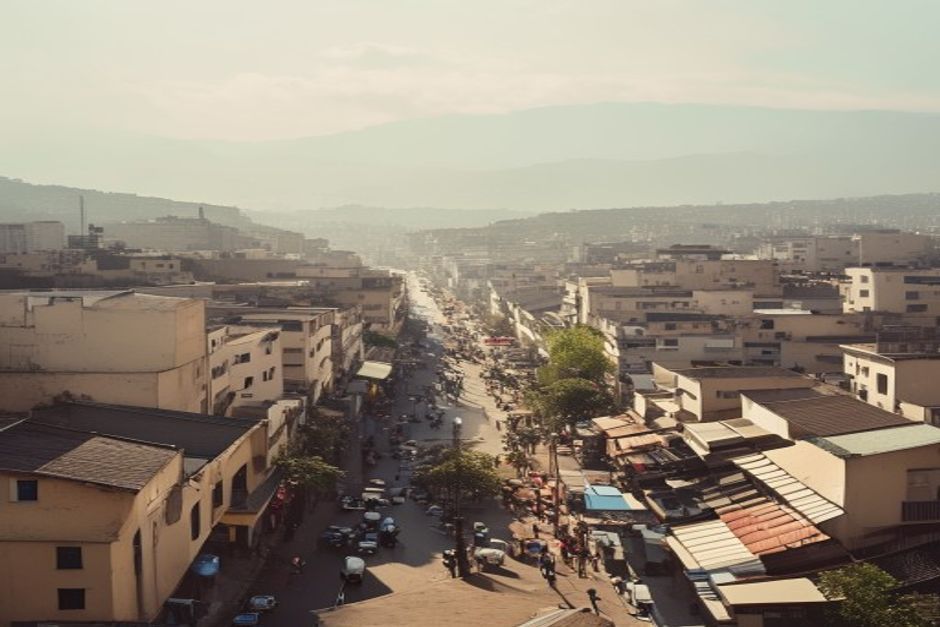
Military Activities and Economic Sectors of Madagascar
In the primary sector, resources are extracted for military use, like metals for weapons. The secondary sector focuses on manufacturing military equipment, such as vehicles and gear. The tertiary sector includes services provided by the military, like training and logistics. The quaternary sector involves military research and development, while the quinary sector deals with high-level decision-making and strategy.
In Madagascar, the military expenditure in 2023 is 102.1 million US dollars, which is 0.65% of the country’s GDP. The active military force consists of 13,500 personnel, resulting in 0.8 active military members per 1,000 capita. This data shows how the military plays a role in the country’s economy and workforce.
International Trade of Madagascar
Import Activities of Madagascar
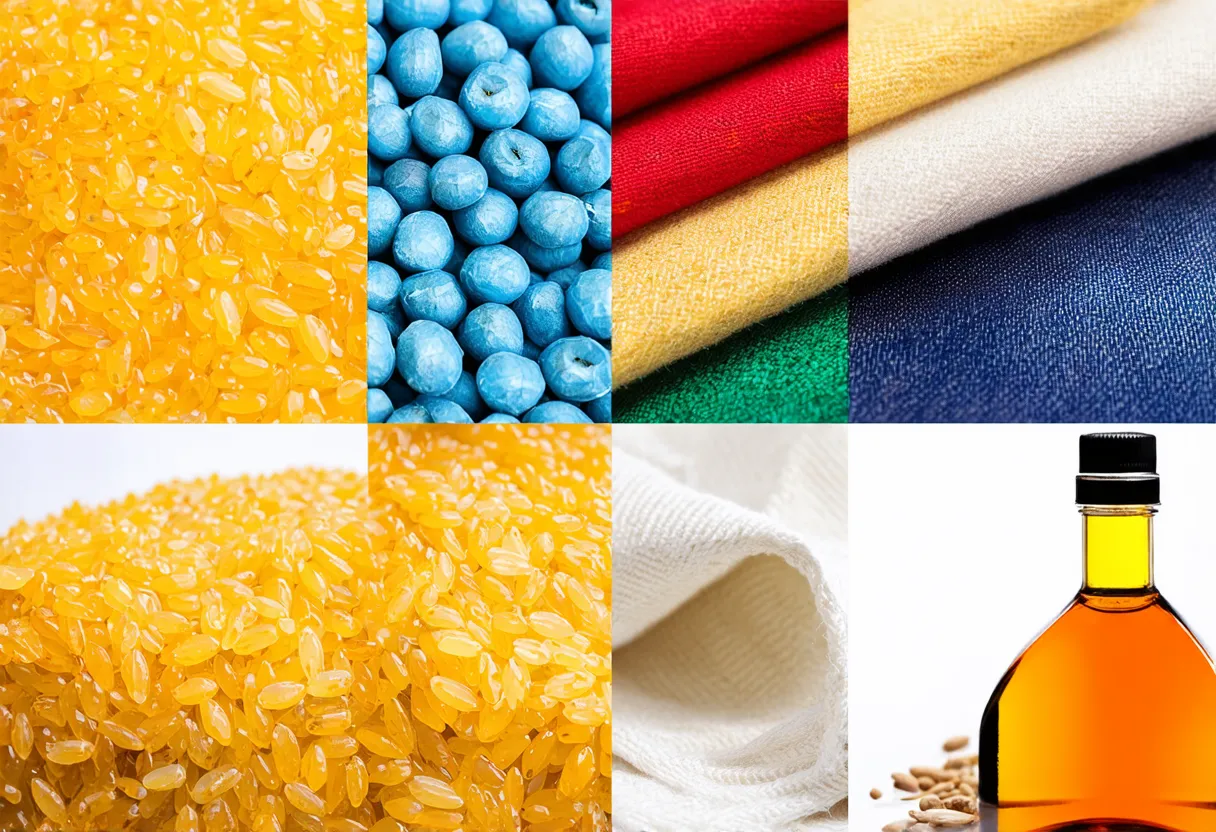 Import activities in Madagascar are crucial, accounting for about 21% of GDP in 2024, totaling approximately $3.67 billion, driving economic growth and meeting domestic demand.Madagascar’s key import activities include refined petroleum, rice, fabric, palm oil, and cotton fabric. The country’s major import partners are China (24%), India (10%), France (9%), Oman (6%), and South Africa (6%).
Exports Activities of Madagascar
 Madagascar’s total exports in 2024 amounted to approximately $3.38 billion, accounting for about 19% of its GDP. This indicates a significant contribution to the country’s economic growth.Madagascar’s export activities are diverse, with key partners including the US, France, China, Japan, and Germany. The country exports commodities such as nickel, garments, vanilla, cloves, and cobalt, contributing significantly to its economy.
Madagascar economy challenges in 2024
Madagascar faces challenges in 2024 with a struggling economy due to COVID-19, despite recent political stability. Extreme poverty persists, exacerbated by environmental fragility. The drop in tax revenue hampers development efforts, despite being a leading vanilla producer.Sources
Last updated: August 2026


Leave a Reply