
Key Economic Insights: The economy of Burundi generates an estimated GDP of $2.63 billion ($154 per capita) supporting a population of 13.2 million. Productive output is anchored by 51% services, 17.4% industry and manufacturing, and 31.6% agriculture and natural resource extraction. Key merchandise exports include gold, coffee, tea, rare earth ores, and tobacco, directed primarily toward Global and regional trade partners.
Burundi’s economic position reflects its ongoing development challenges. As of 2023, the country’s GDP stood at approximately $2.63 billion (current USD, World Bank), placing it among the world’s smallest economies. GDP per capita was approximately $154 as of 2024 (World Bank), one of the lowest globally.
Despite facing economic obstacles, Burundi continues to strive for growth and development in the global economic landscape.
Burundi Economic Structure & Sector Analysis
| Economic Dimension | Official Indicator (2024–2026) | Authoritative Source |
|---|---|---|
| GDP & Macro Output | Nominal GDP: $2.63 billion | Per Capita: $154 | World Bank WDI / IMF |
| Sector Breakdown | Services: 51% | Industry: 17.4% | Agriculture: 31.6% | World Bank National Accounts |
| Trade & Commodities | Top Exports: gold, coffee, tea, rare earth ores, and tobacco (Total: $1.18 billion) | UN Comtrade / OEC |
| Demographics & Labor | Population: 14 | Distributed workforce across formal & primary sectors | ILO / UN Population Division |
| Strategic Trade Corridors | Leading Trade Partners: Global and regional trade partners | World Bank WITS / IMF DOTS |
- Primary activities: approximately 31.6% of GDP (As of 2024, World Bank).
- Secondary activities: approximately 17.4% of GDP.
- Tertiary activities: approximately 51% of GDP.

Primary Sector of Burundi
With a large share of the land dedicated to agriculture, the country produces a variety of crops like cassava, bananas, and sweet potatoes. Agriculture remains crucial for the economy, employing approximately 85% of the workforce and contributing around 31.6% to GDP (As of 2024, World Bank).
The top agricultural products include cassava, bananas, sweet potatoes, beans, maize, vegetables, and sugarcane, showcasing the sector’s diversity and importance.
With a diverse geological landscape, the primary sector thrives in Burundi with abundant natural resources such as nickel, uranium, rare earth oxides, and more. These resources play a vital role in the economy, especially through mining, agriculture, and hydropower generation.Secondary Sector of Burundi
In Burundi, main industrial products include light consumer goods like sugar, shoes, soap, and beer, as well as cement, assembly of imported components, public works construction, and food processing, particularly fruits.In 2023, Burundi’s manufacturing exports accounted for only 12.81% of its total exports, indicating a relatively minor contribution to the country’s overall trade revenue.Tertiary sector of Burundi
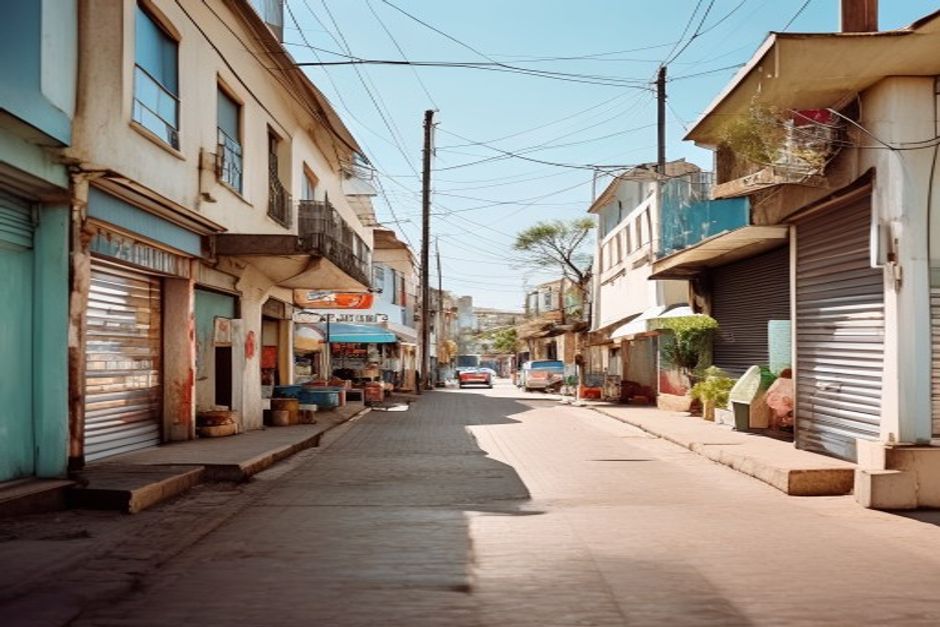
Military Activities and Economic Sectors of Burundi
In Burundi, the primary sector helps by providing resources needed for military use. The secondary sector focuses on making military equipment, while the tertiary sector includes services like training and support. The quaternary sector is important for military research and development, and the quinary sector involves high-level decision-making and strategy.
As of 2023, Burundi’s military expenditure was approximately 3.66% of GDP (World Bank). The country has an active military force of approximately 30,000 personnel (As of 2024, Burundi National Defence Force), with the National Defence Force comprising land, air, and marine branches.
International Trade of Burundi
Import Activities of Burundi
 Burundi’s import activities are crucial, accounting for approximately 24.45% of its GDP in 2023, totaling approximately $1.18 billion, driving economic growth and development (World Bank WITS 2023).Burundi’s key import activities include refined petroleum, fertilizers, packaged medicine, cement, and plastic products. Its top import partners are China (15%), UAE (14%), Saudi Arabia (13%), Tanzania (12%), and India (7%).
Exports Activities of Burundi
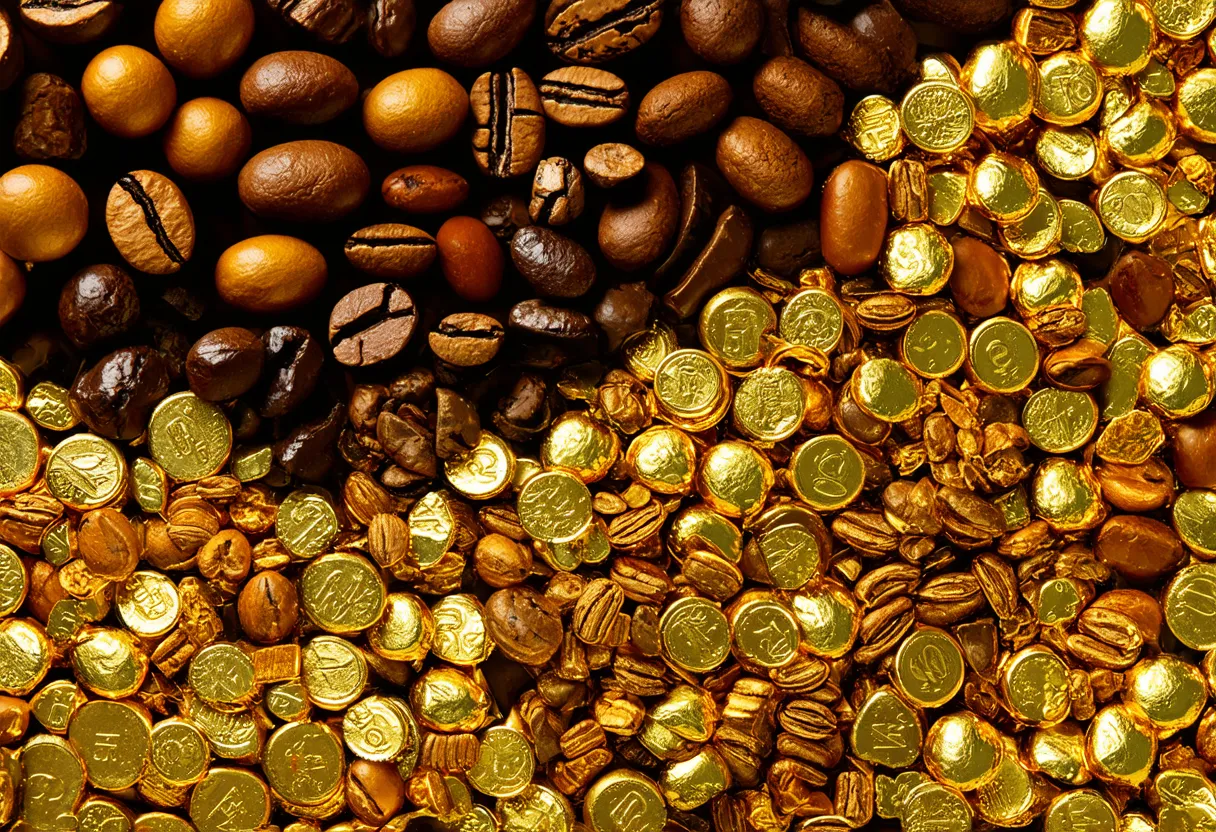 In 2023, Burundi’s total exports amounted to approximately $217 million, accounting for approximately 5.29% of its GDP (World Bank WITS 2023). With such a low percentage, export activities hold relatively low importance for the country’s economy.Burundi primarily exports gold, coffee, tea, rare earth ores, and tobacco. Its key export partners are the UAE, DRC, China, Sudan, and Germany.
Burundi economy challenges in 2024
Burundi, a highly agrarian, low-income country in East Africa, faces challenges in 2024. Declining foreign aid, fiscal insolvencies, dense population growth, and COVID-19 impacts hinder economic recovery.Sources
- World Bank: Burundi Country Data
- World Bank: Burundi Overview
- IMF: Burundi Country Profile
- World Bank WITS: Burundi Trade Summary 2023
- CIA World Factbook: Burundi
Last updated: August 2026



Leave a Reply