
Key Economic Insights: The economy of Seychelles generates an estimated GDP of $2.17 billion ($17,859 per capita) supporting a population of 121,354. Productive output is anchored by 83.7% services, 13.8% industry and manufacturing, and 2.5% agriculture and natural resource extraction. Key merchandise exports include fish, refined petroleum, ships, aircraft, and animal meal, directed primarily toward the UAE (18%), France (17%), UK (9%), Mauritius (9%), and Japan (8%), indicating a diverse export market.
Seychelles, a small island nation in the Indian Ocean, has a GDP of approximately $2.17 billion (World Bank, 2024). As of 2024, it remains one of the smallest economies in the world by total output. As of 2024, the GDP per capita in Seychelles is approximately $17,859 (World Bank), the highest in Africa.
Despite its size, Seychelles has a stable economy driven by tourism, fishing, and offshore financial services, contributing to its relatively high GDP per capita. The country continues to focus on sustainable development and diversification to maintain its economic position in the global market.
Seychelles Economic Structure & Sector Analysis
| Economic Dimension | Official Indicator (2024–2026) | Authoritative Source |
|---|---|---|
| GDP & Macro Output | Nominal GDP: $2.17 billion | Per Capita: $17,859 | World Bank WDI / IMF |
| Sector Breakdown | Services: 83.7% | Industry: 13.8% | Agriculture: 2.5% | World Bank National Accounts |
| Trade & Commodities | Top Exports: fish, refined petroleum, ships, aircraft, and animal meal (Total: Official UN Comtrade) | UN Comtrade / OEC |
| Demographics & Labor | Population: 121,354 | Distributed workforce across formal & primary sectors | ILO / UN Population Division |
| Strategic Trade Corridors | Leading Trade Partners: the UAE (18%), France (17%), UK (9%), Mauritius (9%), and Japan (8%), indicating a diverse export market | World Bank WITS / IMF DOTS |
- Primary activities: 2.5% of GDP.
- Secondary activities: 13.8% of GDP.
- Tertiary activities: 83.7% of GDP.

Primary Sector of Seychelles
With 3.37% of the land dedicated to agriculture, the country produces a variety of products, including coconuts, vegetables, bananas, eggs, chicken, pork, fruits, tomatoes, tropical fruits, and cassava.
Despite contributing only 2.5% to the GDP, agriculture plays a crucial role in Seychelles’ economy, providing food security and employment. The diverse range of crops and animal products highlights the sector’s significance, showcasing the country’s self-sufficiency and agricultural potential.
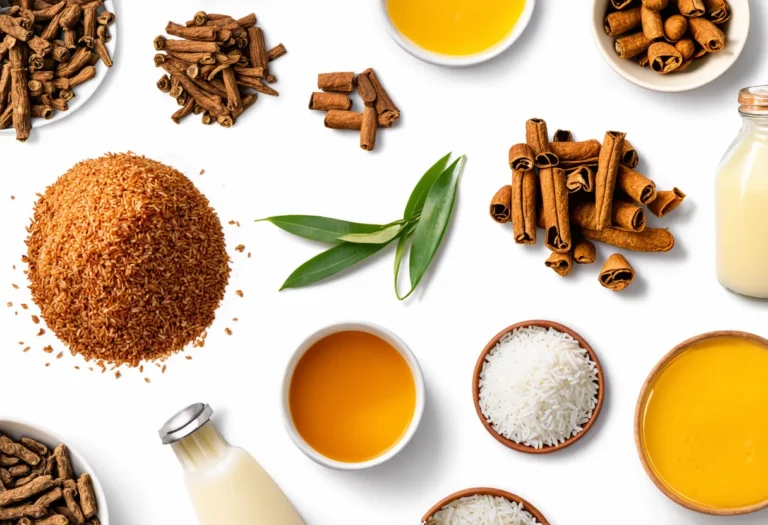
The country’s geological diversity contributes to a rich array of natural resources. Fish from the abundant marine life, coconuts for copra production, and cinnamon trees for spice trade are vital to the economy, supporting industries like fishing, agriculture, and exports.Secondary Sector of Seychelles
In Seychelles, the main industrial products include beverages and construction materials. These products are manufactured for domestic consumption and export, contributing to the country’s economy and trade.Manufactures in Seychelles’ total exports only account for 7.93% in 2023, indicating their relatively low significance in driving the country’s export economy.Tertiary sector of Seychelles
Military Activities and Economic Sectors of Seychelles
In the primary sector, resources are extracted for military use. The secondary sector includes the manufacturing of military equipment. The tertiary sector covers services provided by the military, while the quaternary sector focuses on military research and development. Finally, the quinary sector involves high-level military decision-making and strategy.
In Seychelles, the military expenditure for 2023 is 35.9 million US dollars, which is 1.38% of the country’s GDP. The active military force has 420 personnel, resulting in about 4.4 active military members for every 1,000 people in the country.
International Trade of Seychelles
Import Activities of Seychelles
 The import activities of Seychelles are crucial, with imports of goods and services equivalent to a large share of GDP, reflecting a high dependency on foreign goods.Seychelles imports a variety of commodities including ships, refined petroleum, fish, plastic products, and cars. Its main import partners are the UAE (22%), Netherlands (14%), Cayman Islands (7%), France (6%), and China (6%).
Exports Activities of Seychelles
 Seychelles is a highly trade-dependent economy, with exports (goods and services combined, including re-exports of refined petroleum and tourism receipts) accounting for a large share of GDP. Goods exports are dominated by canned and frozen tuna.Seychelles primarily exports fish, refined petroleum, ships, aircraft, and animal meal. Its top export partners include the UAE (18%), France (17%), UK (9%), Mauritius (9%), and Japan (8%), indicating a diverse export market.
Seychelles economy challenges in 2024
In 2024, Seychelles faces challenges balancing economic growth with environmental preservation. The country’s reliance on tourism and tuna exports is threatened by environmental fragility and rising sea levels. Efforts to mitigate ocean rise and combat corruption are ongoing, while the discovery of offshore oil presents both opportunities and risks for the future.Sources
Last updated: August 2026



Leave a Reply