
Key Economic Insights: The economy of Mauritius generates an estimated GDP of $14.94 billion ($11,991 per capita) supporting a population of 1,245,779. Its main export partners include France (~14%), South Africa (~12%), Madagascar (~10%), the US (~10%), and the UK (~9%).
Mauritius, a small island nation in the Indian Ocean, has a relatively stable economic position. As of 2024, it had a GDP of approximately $14.94 billion, ranking it among the upper-middle-income economies. In terms of GDP per capita, Mauritius reached approximately $11,991 in 2024 (World Bank), reflecting its status as one of Africa’s wealthiest nations per head.
Despite facing challenges, Mauritius continues to focus on diversifying its economy, particularly in sectors such as tourism, financial services, and information technology, to ensure sustained growth and development.
Mauritius Economic Structure & Sector Analysis
| Economic Dimension | Figure | Authoritative Source |
|---|---|---|
| GDP & Macro Output | Nominal GDP: $14.94 billion | Per Capita: $11,991 | World Bank WDI / IMF |
| Demographics & Labor | Population: 1,245,779 | ILO / UN Population Division |
| Strategic Trade Corridors | Leading Trade Partners: France (~14%), South Africa (~12%), Madagascar (~10%), the US (~10%), and the UK (~9%) | World Bank WITS / IMF DOTS |
- Primary activities (agriculture): ~4% of GDP.
- Secondary activities (industry): ~20% of GDP.
- Tertiary activities (services): ~76% of GDP.

Primary Sector of Mauritius
With 43% of the land dedicated to agriculture, the country produces a diverse range of products including sugarcane, chicken, pumpkins, eggs, potatoes, and more.
Despite agriculture contributing 4% to the GDP, the sector plays a crucial role in the economy. The variety of crops and animal products not only sustains the agricultural sector but also supports local consumption and export, highlighting the sector’s importance in ensuring food security and economic stability.
The country’s geological diversity, ranging from volcanic to coastal regions, provides a rich resource base. Arable land supports agriculture, while abundant fish stocks drive the fishing industry, contributing significantly to the economy.Secondary Sector of Mauritius
In Mauritius, main industrial products include sugar milling in food processing, textiles, clothing, chemicals, metal products, transport equipment, and nonelectrical machinery.Manufactures in Mauritius’ total exports are significant at 47.1% in 2023, indicating a diverse economy with strong industrial capabilities.Tertiary sector of Mauritius
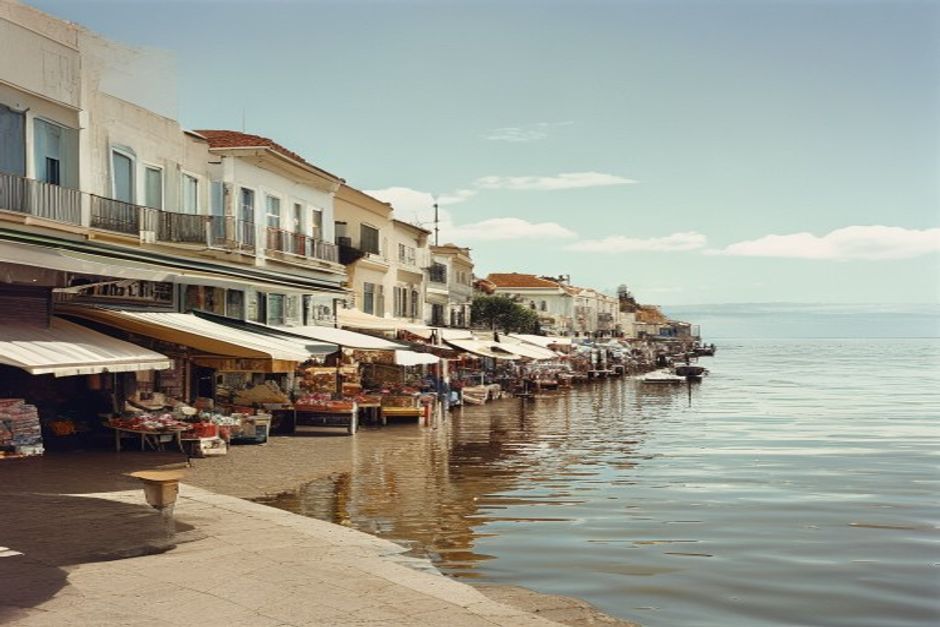
Military Activities and Economic Sectors of Mauritius
In the primary sector, resources are extracted for military use. The secondary sector includes the manufacturing of military equipment. The tertiary sector covers services provided by the military, while the quaternary sector focuses on military research and development. Lastly, the quinary sector involves high-level military decision-making and strategy.
In Mauritius, the military expenditure for 2023 is $22.5 million, which is 0.17% of the GDP. The active military force has 319 personnel, resulting in about 1.9 active military members per 1,000 people. This data shows how economic activities support the military in various ways.
International Trade of Mauritius
Import Activities of Mauritius
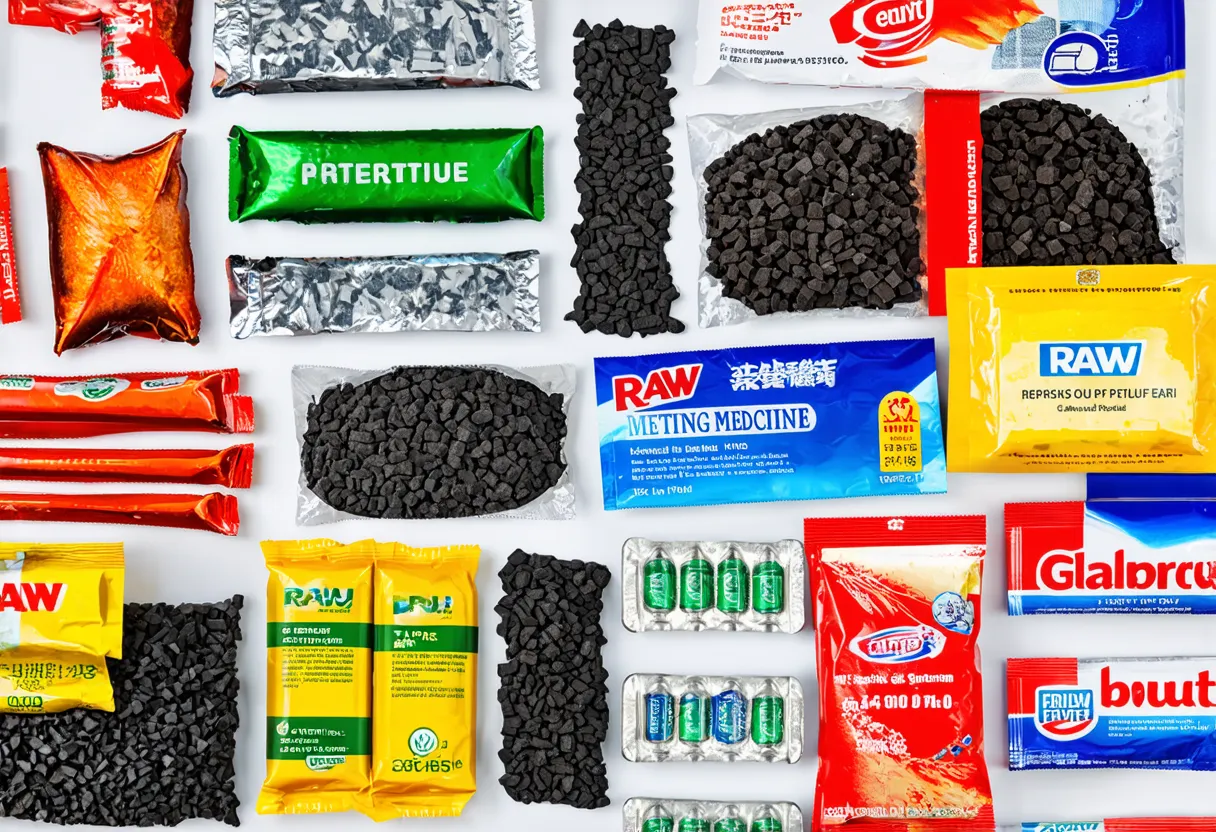 As of 2024, the import activities of Mauritius are of high importance, with merchandise imports of roughly $6.65 billion, accounting for about 44.5% of the country’s GDP.Mauritius imports a variety of goods, including refined petroleum, coal, fish, cars, and packaged medicine. Its main import partners are China, the UAE, India, South Africa, and France.
Exports Activities of Mauritius
 As of 2024, Mauritius’ total merchandise exports amounted to roughly 1.75 billion USD, representing about 11.7% of its GDP. Export activities, particularly in textiles, sugar, and seafood, play a crucial role in driving the country’s economy.Mauritius exports garments, fish, raw sugar, fertilizers, and diamonds. Its top export partners are France (~14%), South Africa (~12%), Madagascar (~10%), the US (~10%), and the UK (~9%).
Mauritius economy challenges in 2024
In 2024, Mauritius faces challenges in rebuilding its tourism sector post-COVID-19, while investing in maritime security. The country’s economy, reliant on services, is expanding in information and financial sectors, but environmental fragility remains a concern.Sources
- World Bank Data: Mauritius
- IMF: Mauritius
- CIA World Factbook: Mauritius
- Statistics Mauritius
- Trading Economics: Mauritius
- UN Comtrade Plus: Trade Flow
Last updated: August 2026

Leave a Reply