
Key Economic Insights: The economy of Liberia generates an estimated GDP of $4.78 billion (National Accounts Tracked per capita) supporting a population of 5,612,817. Productive output is anchored by 52.2% services, 13.8% industry and manufacturing, and 34% agriculture and natural resource extraction. Key merchandise exports include Manufactured goods, mineral resources, and agricultural commodities, directed primarily toward Global and regional trade partners.
Liberia, with a population of 5,612,817 (as of 2024), is ranked 115th in the world. Located in West Africa, it covers 111,370 square kilometers, ranking 98th globally, slightly smaller than Honduras.
As of 2024, Liberia’s economy reflects a GDP of approximately $4.78 billion, ranking it among the world’s smaller economies. The GDP per capita for Liberia in 2024 stands at approximately $851, according to the World Bank.
Despite facing challenges, Liberia continues to strive for economic growth and development, with potential for further advancement in the coming years.
Liberia Economic Structure & Sector Analysis
| Economic Dimension | Official Indicator (2024–2026) | Authoritative Source |
|---|---|---|
| GDP & Macro Output | Nominal GDP: $4.78 billion | Per Capita: National Accounts Tracked | World Bank WDI / IMF |
| Sector Breakdown | Services: 52.2% | Industry: 13.8% | Agriculture: 34% | World Bank National Accounts |
| Trade & Commodities | Top Exports: Manufactured goods, mineral resources, and agricultural commodities (Total: Official UN Comtrade) | UN Comtrade / OEC |
| Demographics & Labor | Population: 5,612,817 | Distributed workforce across formal & primary sectors | ILO / UN Population Division |
| Strategic Trade Corridors | Leading Trade Partners: Global and regional trade partners | World Bank WITS / IMF DOTS |
- Primary activities (agriculture): 34% of GDP (as of 2017, latest CIA estimate).
- Secondary activities (industry): 13.8% of GDP (as of 2017, latest CIA estimate).
- Tertiary activities (services): 52.2% of GDP (as of 2017, latest CIA estimate).
Primary Sector of Liberia
Agricultural land covers 19.97% of the country. The main products include cassava, rice, sugarcane, oil palm fruit, bananas, rubber, vegetables, plantains, taro, and maize.
Despite agriculture contributing 34% to the GDP, its significance lies in the diverse range of crops and animal products, showcasing the sector’s importance to the country’s economy.
With a rich geological diversity, the primary sector thrives in Liberia. Abundant in iron ore, timber, diamonds, gold, and hydropower, these resources drive the economy, creating jobs and revenue streams for the country.
Secondary Sector of Liberia
In Liberia, the main industrial products include iron ore, gold, rubber processing, palm oil processing, and diamonds. These products are crucial for the country’s economy and contribute significantly to its exports and domestic consumption.
As of 2024, Liberia’s exports are dominated by raw materials such as gold, iron ore, and rubber, with manufactured goods contributing relatively little. Liberia also operates the world’s largest open ship registry by gross tonnage, a significant source of government revenue (as of 2024, per the Liberian Registry).
Tertiary sector of Liberia
The tertiary sector in Liberia encompasses services that enhance productivity and address needs through intangible offerings like knowledge and time. Key activities include healthcare, education, banking, communication, tourism, and transportation. These sectors play a crucial role in driving economic growth and development in the country.
Of particular importance, Liberia’s economy heavily relies on tourism, contributing significantly to its GDP. With over 120,000 annual tourist arrivals, Liberia’s pristine beaches, such as the renowned Robertsport Beach and the lush Sapo National Park, attract visitors worldwide, boosting local businesses and employment opportunities.
Another example of tertiary economic activity is the mobile cellular sector, with approximately 1.7 million subscriptions, supporting technological growth. This connectivity fosters innovation and enhances business operations across various industries.
Military Activities and Economic Sectors of Liberia
In Liberia, the primary sector provides resources needed for military use, while the secondary sector focuses on manufacturing equipment. The tertiary sector includes services offered by the military, such as training and logistics. The quaternary sector involves research and development for military technology, and the quinary sector deals with high-level decision-making and strategy.
In 2023, Liberia’s military expenditure was 37.2 million US dollars, which is 1.26% of the country’s GDP. The active military force consists of 2,010 personnel, resulting in 0.4 active military members for every 1,000 people in the country. This data shows how the military interacts with various economic sectors in Liberia.
International Trade of Liberia
Import Activities of Liberia
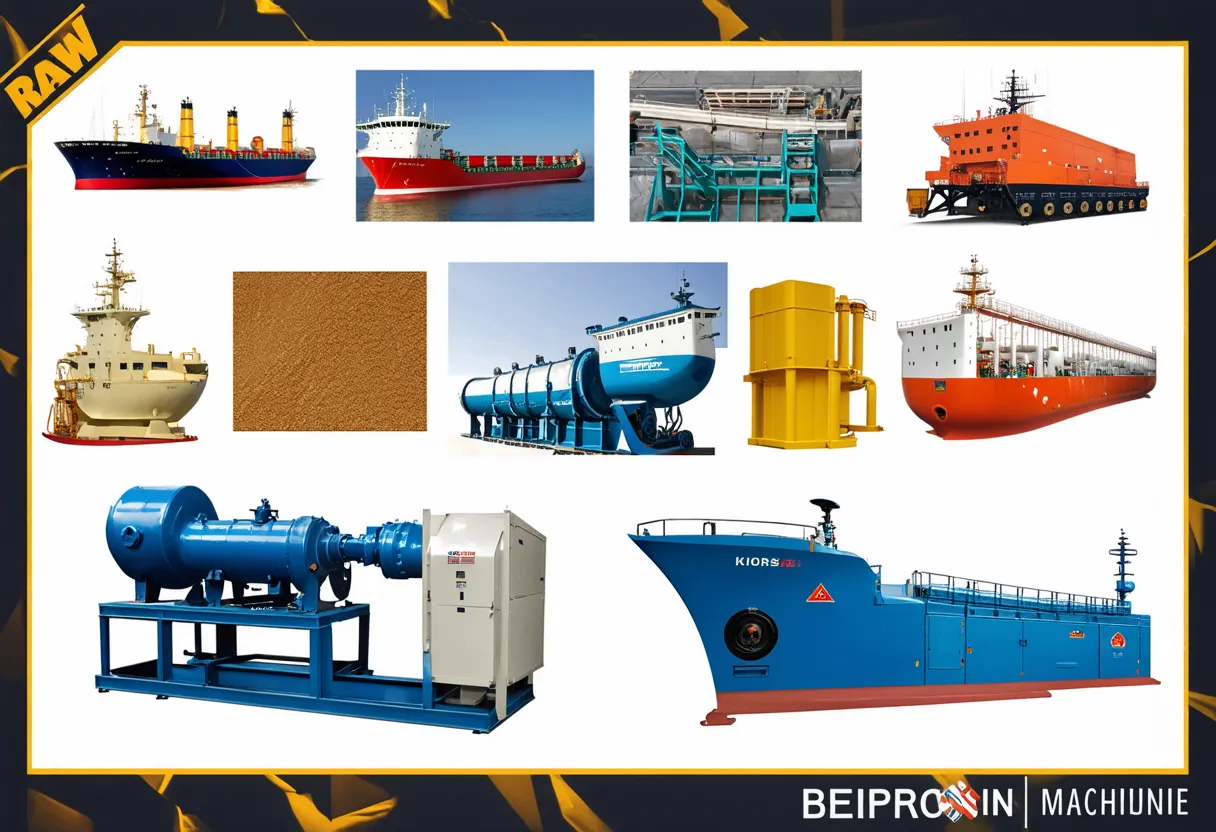
As of 2024, Liberia’s merchandise imports represented approximately 32.5% of GDP (about $1.5 billion), playing a crucial role in meeting domestic demand, according to the World Bank.
Liberia’s key import activities include ships, refined petroleum, additive manufacturing machines, centrifuges, and rice. The country’s main import partners are China (42%), South Korea (23%), Japan (15%), Germany (5%), and Brazil (3%).
Exports Activities of Liberia

As of 2024, Liberia’s total exports of goods amounted to roughly $1.1–$2.0 billion, with mining (gold and iron ore) the leading drivers. Exports hold high importance in driving Liberia’s economic growth and stability.
Liberia’s export activities are diverse, with key partners including Switzerland, France, Germany, UK, and Poland. The country mainly exports gold, ships, iron ore, rubber, and refined petroleum.
Liberia economy challenges in 2024
As of 2024, Liberia continues to face challenges with its low-income economy, food scarcity in rural areas, high poverty, and inflation. The country struggles with a growing government debt and a large informal economy. Despite being home to the longest continuously operated rubber plantation, Liberia’s economy remains fragile due to the recession caused by the Ebola crisis before COVID-19.
Sources
- World Bank – Liberia
- CIA World Factbook – Liberia
- IMF – Liberia
- Trading Economics – Liberia
- UN Comtrade Plus: Trade Flow
Last updated: August 2026



Leave a Reply