
Key Economic Insights: The economy of Gabon generates an estimated GDP of $20.87 billion ($8,219 per capita) supporting a population of 2.4 million. Productive output is anchored by 50.4% services, 44.7% industry and manufacturing, and 5% agriculture and natural resource extraction. Key merchandise exports include Manufactured goods, mineral resources, and agricultural commodities, directed primarily toward Global and regional trade partners.
Gabon's economy was valued at approximately $20.87 billion in 2024 (World Bank), placing it among the smaller economies globally. In terms of GDP per capita, Gabon stood at roughly $8,219 in 2024, one of the higher figures in Sub-Saharan Africa, reflecting its small population relative to its oil wealth.
Gabon's economy is characterized by its reliance on oil exports, which account for a significant portion of its GDP. The country faces challenges in diversifying its economy and reducing its dependence on oil to ensure long-term sustainable growth.
Gabon Economic Structure & Sector Analysis
| Economic Dimension | Official Indicator (2024–2026) | Authoritative Source |
|---|---|---|
| GDP & Macro Output | Nominal GDP: $20.87 billion | Per Capita: $8,219 | World Bank WDI / IMF |
| Sector Breakdown | Services: 50.4% | Industry: 44.7% | Agriculture: 5% | World Bank National Accounts |
| Trade & Commodities | Top Exports: Manufactured goods, mineral resources, and agricultural commodities (Total: $4.22 billion) | UN Comtrade / OEC |
| Demographics & Labor | Population: Official Census Tracked | Distributed workforce across formal & primary sectors | ILO / UN Population Division |
| Strategic Trade Corridors | Leading Trade Partners: Global and regional trade partners | World Bank WITS / IMF DOTS |
- Primary activities: 5% of GDP.
- Secondary activities: 44.7% of GDP.
- Tertiary activities: 50.4% of GDP.

Primary Sector of Gabon
With 8.36% of the land used for agriculture, the country produces a variety of crops like plantains, cassava, sugarcane, yams, and more. Although agriculture contributes 5% to the GDP, it plays a crucial role in providing food security and employment.
The diverse range of crops and animal products highlights the sector’s significance in sustaining the country’s agricultural economy.
With its diverse geological landscape, the primary sector thrives on abundant natural resources like petroleum, natural gas, diamonds, niobium, manganese, uranium, gold, timber, iron ore, and hydropower. This wealth fuels the economy and drives growth in various industries.Gabon’s gas production of 378 million m³ in 2020 contributes significantly to its economic activity, securing its position as the 75th largest natural gas producer globally.Secondary Sector of Gabon
In Gabon, the main industrial products include petroleum extraction and refining, manganese, gold, chemicals, ship repair, food and beverages, textiles, lumbering and plywood, and cement.In 2023, Gabon’s total exports are dominated by natural resources like oil, making the contribution of manufactures relatively insignificant, reflecting the country’s heavy reliance on extractive industries.Tertiary sector of Gabon

Military Activities and Economic Sectors of Gabon
In Gabon, the military uses resources from the primary sector, like minerals, for its needs. The secondary sector helps by making military equipment. The tertiary sector includes services like healthcare for soldiers. The quaternary sector focuses on research and development for better technology, while the quinary sector involves high-level decisions and strategies for military actions.
In 2023, Gabon’s military expenditure was 265.1 million US dollars, which is 1.25% of its GDP. The active military force has 4,700 personnel, giving a ratio of 3.2 active military members for every 1,000 people in the country.
International Trade of Gabon
Import Activities of Gabon
 Gabon’s import activities play a crucial role, accounting for about 20% of its GDP in 2023, totaling roughly $4.22 billion (World Bank WITS).Gabon’s key import activities involve a diverse range of commodities including poultry, plastic products, iron pipes, fish, and excavation machinery. The country’s major import partners are China (22%), France (21%), UAE (5%), US (5%), and Belgium (4%). These imports play a crucial role in meeting the domestic demand and supporting various sectors of the economy.
Exports Activities of Gabon
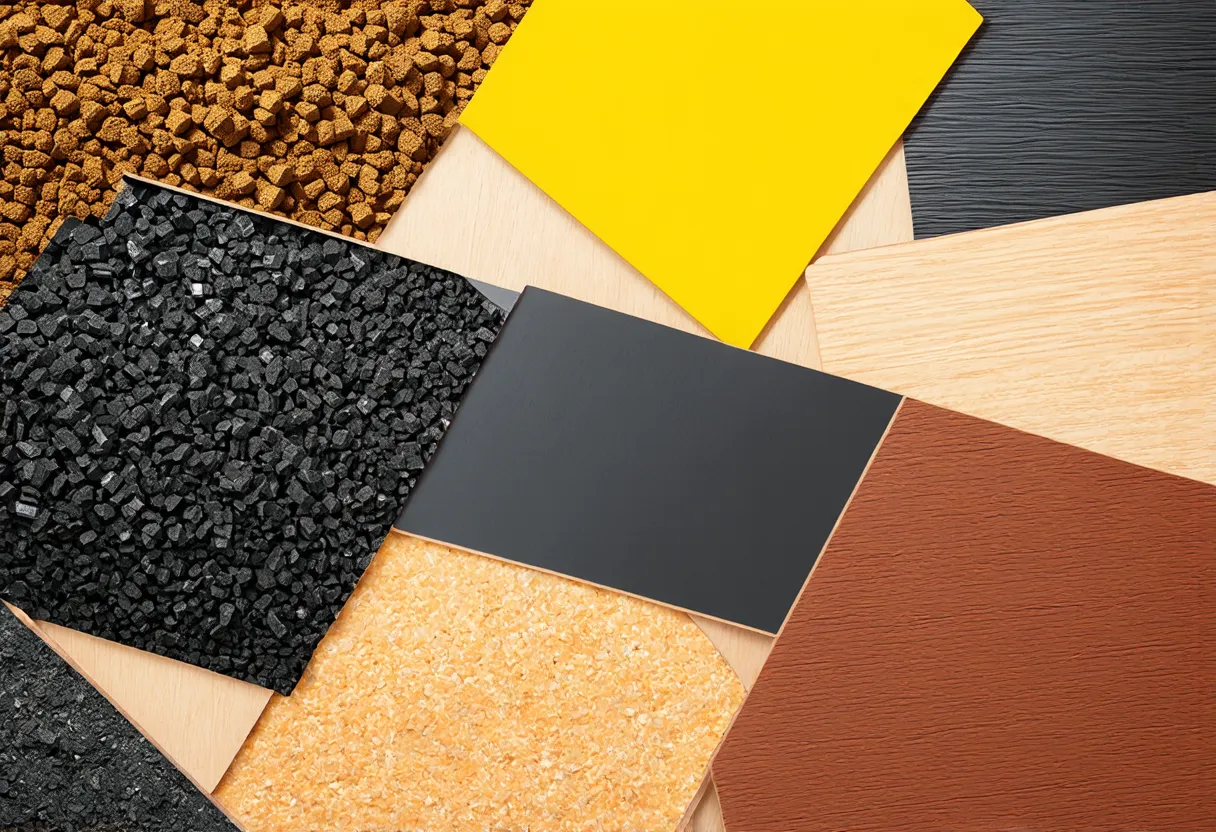 Gabon’s total exports in 2023 amounted to $12,934,645,029.99, representing 61.38% of its GDP. This high percentage underscores the critical importance of export activities in driving the country’s economy.Gabon’s export activities are dominated by crude petroleum, manganese ore, wood, veneer sheets, and refined petroleum. Its top export partners are China (43%), South Korea (8%), Italy (7%), India (7%), and Indonesia (5%).
Gabon economy challenges in 2024
In 2024, Gabon faces challenges post-military coup. Despite natural resources, poverty and unemployment remain high. Uncertainty hampers institutional and development reforms.Sources
- World Bank: Gabon
- World Bank WITS: Gabon Trade
- IMF DataMapper: Gabon
- CIA World Factbook: Gabon
- UN Comtrade Plus: Trade Flow
- SIPRI Military Expenditure Database
Last updated: August 2026



Leave a Reply