
Key Economic Insights: The economy of Honduras generates an estimated GDP of $37.09 billion ($3,426 per capita) supporting a population of 10,825,703. Productive output is anchored by Tracked by World Bank services, Tracked by World Bank industry and manufacturing, and Tracked by World Bank agriculture and natural resource extraction. Key merchandise exports include garments, coffee, insulated wire, palm oil, and bananas, directed primarily toward Global and regional trade partners.
Honduras had a GDP of approximately $37.09 billion as of 2024, according to World Bank data, placing it among the lower-middle-income economies of Central America. Its GDP per capita stood at about $3,426 (current US$) as of 2024, with a purchasing-power-parity (PPP) value of roughly $6,586.
Despite facing economic challenges, Honduras continues to strive for growth and development in various sectors to improve its economic position on the global stage.
Honduras Economic Structure & Sector Analysis
| Economic Dimension | Official Indicator (2024–2026) | Authoritative Source |
|---|---|---|
| GDP & Macro Output | Nominal GDP: $37.09 billion | Per Capita: $3,426 | World Bank WDI / IMF |
| Sector Breakdown | Services: Tracked by World Bank | Industry: Tracked by World Bank | Agriculture: Tracked by World Bank | World Bank National Accounts |
| Trade & Commodities | Top Exports: garments, coffee, insulated wire, palm oil, and bananas (Total: $17.1 billion) | UN Comtrade / OEC |
| Demographics & Labor | Population: 10,825,703 | Distributed workforce across formal & primary sectors | ILO / UN Population Division |
| Strategic Trade Corridors | Leading Trade Partners: Global and regional trade partners | World Bank WITS / IMF DOTS |
- Primary activities (agriculture): about 12% of GDP (as of 2023).
- Secondary activities (industry): about 26% of GDP (as of 2023).
- Tertiary activities (services): about 56% of GDP (as of 2023).
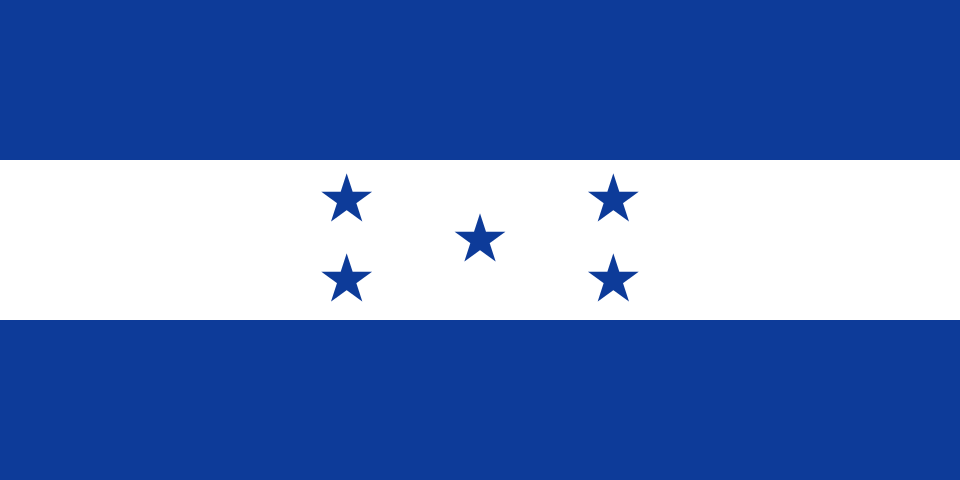
Primary Sector of Honduras
With 31.96% of the land dedicated to agriculture, the country produces a diverse range of products including sugarcane, oil palm fruit, milk, maize, bananas, coffee, cantaloupes/melons, chicken, oranges, and beans.
Despite agriculture contributing about 12% to the GDP (as of 2023), its significance lies in the variety and volume of crops and animal products. These top ten agricultural products showcase the sector’s importance and its role in sustaining the country’s economy.
The country’s geological diversity contributes to a rich array of natural resources, driving its economy. Key resources include timber, gold, silver, copper, lead, zinc, iron ore, antimony, coal, fish, and hydropower, sustaining vital sectors like mining, forestry, and energy production.Secondary Sector of Honduras
In Honduras, main industrial products include sugar processing, coffee, woven and knit apparel, wood products, and cigars. These products are manufactured for domestic consumption and export, contributing significantly to the country’s economy.In 2023, Honduras’ total exports are dominated by agriculture and textiles, with manufactures comprising a small percentage. This indicates a reliance on traditional industries for economic growth.Tertiary sector of Honduras
Military Activities and Economic Sectors of Honduras
In the primary sector, resources are extracted for military use, like metals for weapons. The secondary sector involves manufacturing military equipment, such as vehicles and weapons. The tertiary sector includes services provided by the military, like training and logistics. The quaternary sector focuses on military research and development, while the quinary sector deals with high-level decision-making and strategy.
In Honduras, the military has an annual expenditure of 539.8 million US dollars, which is 1.5% of the country’s GDP. The active military force consists of 29,074 personnel, resulting in about 9 active military members for every 1,000 people in the population.
International Trade of Honduras
Import Activities of Honduras
 Honduras relies heavily on imports, with total merchandise imports reaching approximately $17.1 billion as of 2024, equivalent to roughly 46% of GDP.Honduras relies heavily on imports, with the US being the main partner at 47%. Key commodities include refined petroleum, cotton yarn, garments, synthetic fibers, and plastic products. Guatemala, China, El Salvador, and Mexico are also significant import partners, contributing to the country’s diverse import market.
Exports Activities of Honduras
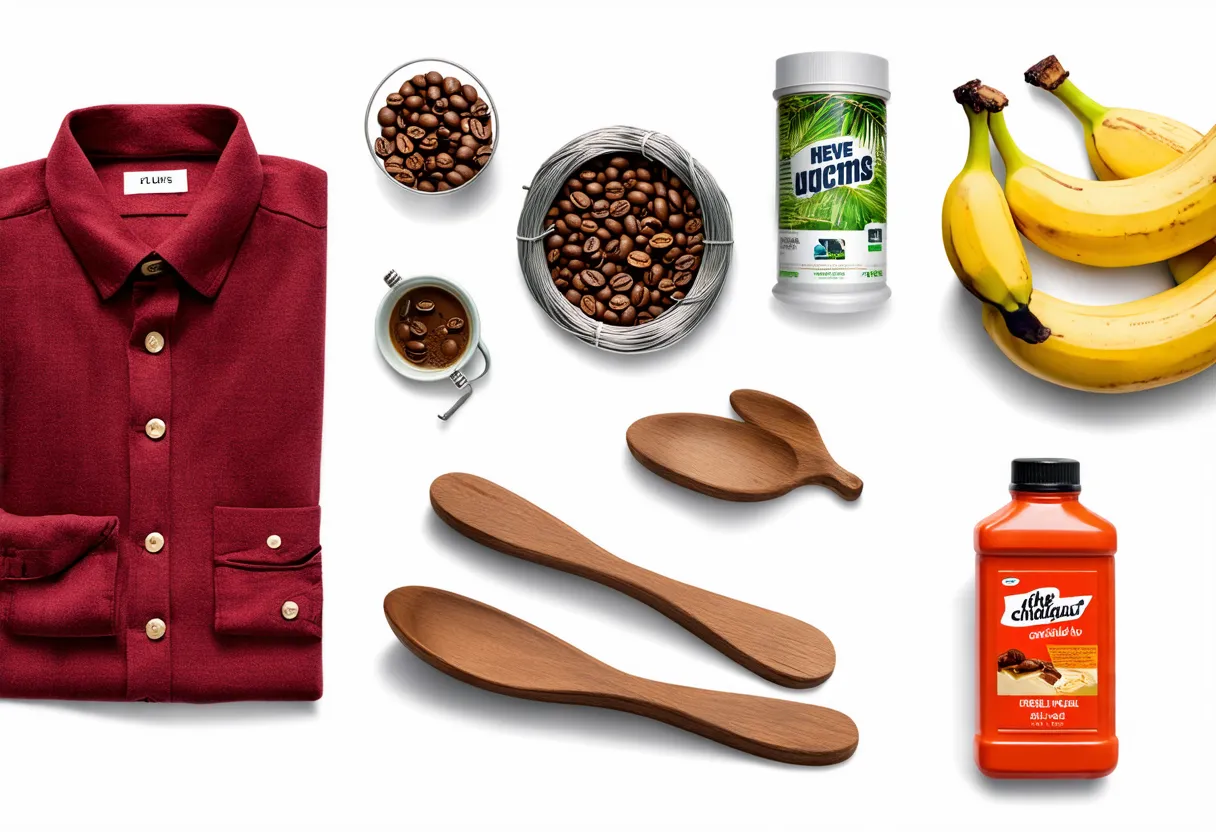 In Honduras, export activities play a crucial role, with total merchandise exports of approximately $10.4 billion as of 2024, equivalent to roughly 28% of GDP. Exports remain central to the country’s economy, alongside remittances.Honduras primarily exports garments, coffee, insulated wire, palm oil, and bananas. Its top export partners are the US (51%), Nicaragua (8%), El Salvador (8%), Guatemala (5%), and Germany (4%).
Honduras economy challenges in 2024
Honduras, the second-fastest-growing Central American economy, faces challenges in 2024. COVID-19 and hurricanes hurt the economy, with high poverty, inequality, crime, and corruption persisting. As a coffee and banana exporter, the country relies heavily on remittances, which reached about $9.74 billion in 2024 (roughly a quarter of GDP), even as it struggles with ongoing structural issues.Sources
Last updated: August 2026




Leave a Reply