
Key Economic Insights: The economy of United Arab Emirates generates an estimated GDP of $537.1 billion ($49,400 per capita) supporting a population of 9.5 million. Productive output is anchored by Tracked by World Bank services, Tracked by World Bank industry and manufacturing, and Tracked by World Bank agriculture and natural resource extraction. Key merchandise exports include crude petroleum, refined petroleum, gold, broadcasting equipment, and natural gas, directed primarily toward Global and regional trade partners.
As of 2024, the United Arab Emirates (UAE) holds a strong economic position, with a GDP of approximately $537.1 billion (World Bank), placing it among the largest economies in the Middle East. The GDP per capita in the UAE is around $49,400 as of 2024, one of the highest in the region.
The UAE’s economy is diverse, with a focus on oil exports, tourism, and financial services, contributing to its robust economic standing on the global stage.
United Arab Emirates Economic Structure & Sector Analysis
| Economic Dimension | Official Indicator (2024–2026) | Authoritative Source |
|---|---|---|
| GDP & Macro Output | Nominal GDP: $537.1 billion | Per Capita: $49,400 | World Bank WDI / IMF |
| Sector Breakdown | Services: Tracked by World Bank | Industry: Tracked by World Bank | Agriculture: Tracked by World Bank | World Bank National Accounts |
| Trade & Commodities | Top Exports: crude petroleum, refined petroleum, gold, broadcasting equipment, and natural gas (Total: $25 billion) | UN Comtrade / OEC |
| Demographics & Labor | Population: Official Census Tracked | Distributed workforce across formal & primary sectors | ILO / UN Population Division |
| Strategic Trade Corridors | Leading Trade Partners: Global and regional trade partners | World Bank WITS / IMF DOTS |
- Primary activities (agriculture): roughly 0.9% of GDP.
- Secondary activities (industry): roughly 49.8% of GDP.
- Tertiary activities (services): roughly 49.2% of GDP.

Primary Sector of United Arab Emirates
The primary sector in the United Arab Emirates, particularly its agricultural activities, is influenced by the arid desert climate and limited natural resources. With 5.51% of the land dedicated to agriculture, the country produces a variety of crops and animal products including dates, cucumbers/gherkins, camel milk, goat milk, tomatoes, eggs, goat meat, milk, chicken, and camel meat.
Despite contributing only 0.9% to the GDP, agriculture plays a crucial role in the UAE’s economy by providing employment opportunities, ensuring food security, and preserving traditional practices. The diverse range of agricultural products highlights the resilience and innovation within the country’s agricultural sector, contributing to its cultural heritage and sustainability efforts.
The country boasts diverse geological formations, leading to abundant natural resources. Its primary sector thrives on petroleum and natural gas extraction, driving the economy through export revenues and industrial growth.The United Arab Emirates ranks 15th in the world for natural gas production, with 57,000 million m³ produced in 2020. This significant output fuels the country’s economic activity, contributing to export revenues and industrial expansion.Secondary Sector of United Arab Emirates
In the United Arab Emirates, main industrial products include petroleum, petrochemicals, aluminum, cement, fertilizer, commercial ship repair, construction materials, handicrafts, and textiles.Manufactures in the total exports of the United Arab Emirates in 2023 accounted for only 9.71%, indicating their relatively minor significance in the country’s export sector.Tertiary sector of United Arab Emirates
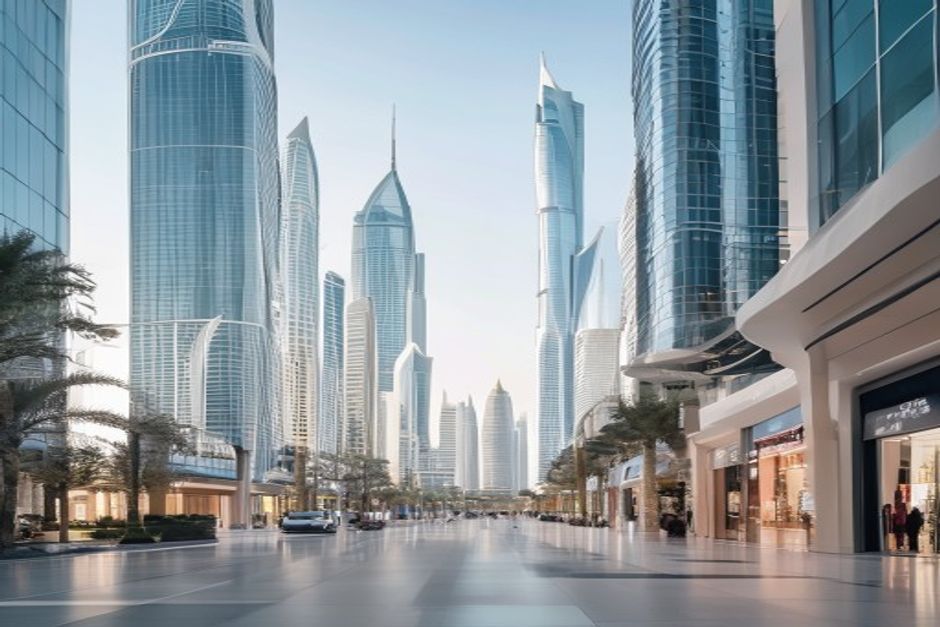
Military Activities and Economic Sectors of United Arab Emirates
In the primary sector, the military needs resources like oil and metals for equipment. The secondary sector includes the manufacturing of weapons and vehicles. The tertiary sector involves services like training and logistics. The quaternary sector focuses on research and development for new technologies, while the quinary sector deals with high-level decisions and military strategies.
In 2023, the United Arab Emirates spent $25 billion on its military, which is 4.93% of its GDP. The active military force has 63,000 personnel, resulting in about 19.9 active military members for every 1,000 people in the country.
Biggest company in United Arab Emirates
Which is the biggest company in the United Arab Emirates? It’s International Holding Company (IHC), a diversified holding conglomerate based in Abu Dhabi. As of 2026, its market value is approximately $232 billion, making it the most valuable listed company in the UAE. IHC holds interests across numerous sectors including industrials, real estate, financial services, healthcare, and consumer goods.International Trade of United Arab Emirates
Import Activities of United Arab Emirates
 The import activities of the United Arab Emirates are relatively low, accounting for only 0.07% of the GDP in 2023.The United Arab Emirates engages in significant import activities, with key partners including China, India, the US, the UK, and Saudi Arabia. Major import commodities include gold, broadcasting equipment, refined petroleum, diamonds, and cars.
Exports Activities of United Arab Emirates
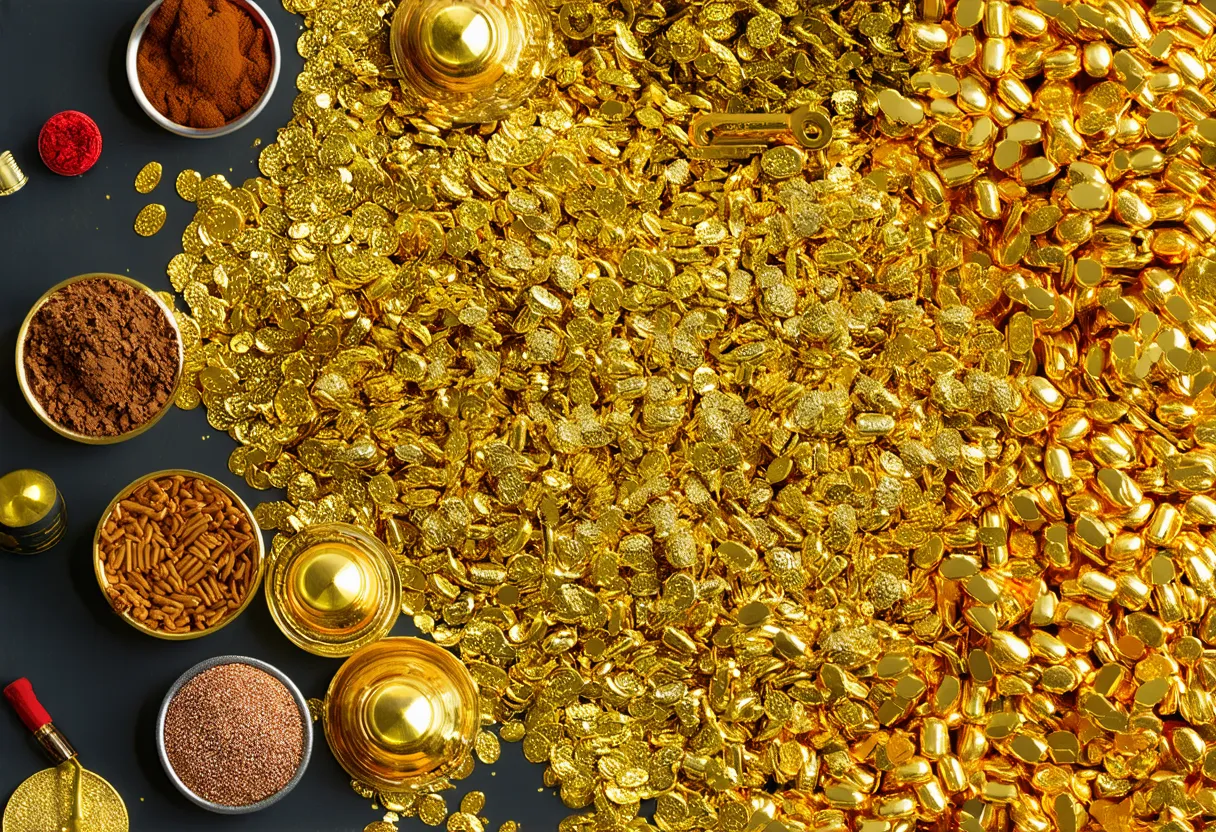 The United Arab Emirates heavily relies on exports, accounting for 79.28% of its GDP in 2023, totaling $402 billion. This high percentage highlights the critical importance of export activities in driving the country’s economy.The United Arab Emirates primarily exports crude petroleum, refined petroleum, gold, broadcasting equipment, and natural gas. Its top export partners are India (13%), Japan (10%), China (8%), Saudi Arabia (7%), and Iraq (5%).
United Arab Emirates economy challenges in 2024
United Arab Emirates faces challenges in 2024 as it shifts from oil to trade, facing economic slowdown due to strained ties with Israel amidst Gaza conflict.Sources
- World Bank Data: United Arab Emirates
- IMF Data Mapper
- CIA World Factbook: United Arab Emirates
- Trading Economics: UAE GDP
- Heritage Foundation: All Country Scores
- UN Comtrade Plus: Trade Flow
- SIPRI Military Expenditure Database
Last updated: August 2026

Leave a Reply