
Key Economic Insights: The economy of Israel generates an estimated GDP of $540 billion ($54,177 per capita) supporting a population of 10,178,000. Productive output is anchored by 69.5% services, 26.5% industry and manufacturing, and 2.4% agriculture and natural resource extraction. Its main export partners include the US, China, and the West Bank/Gaza Strip.
Israel, with a population of about 10,178,000 (as of 2025), is ranked 93rd in the world, just behind Hungary. Located in the Middle East, it covers 22,070 square kilometers, ranking 142nd globally, just below Belize.
As of 2024, Israel’s economic position is strong, with a GDP of about $540 billion USD (World Bank), ranking among the world’s top 30 economies. Israel’s GDP per capita is about $54,177 USD as of 2024, ranking it among the world’s highest-income economies.
Israel’s economy is diverse, with a focus on technology, innovation, and defense industries contributing significantly to its growth and stability. The country’s strategic location and skilled workforce continue to attract foreign investment and drive economic development.
Israel Economic Structure & Sector Analysis
| Economic Dimension | Figure | Authoritative Source |
|---|---|---|
| GDP & Macro Output | Nominal GDP: $540 billion | Per Capita: $54,177 | World Bank WDI / IMF |
| Sector Breakdown | Services: 69.5% | Industry: 26.5% | Agriculture: 2.4% | World Bank National Accounts |
| Demographics & Labor | Population: 10,178,000 | ILO / UN Population Division |
| Strategic Trade Corridors | Leading Trade Partners: the US, China, and the West Bank/Gaza Strip | World Bank WITS / IMF DOTS |
- Primary activities: 2.4% of GDP.
- Secondary activities: 26.5% of GDP.
- Tertiary activities: 69.5% of GDP.
Primary Sector of Israel
With 29.74% of the land dedicated to agriculture, the country produces a variety of crops and animal products. The main agricultural products include milk, chicken, potatoes, tomatoes, avocados, bananas, grapefruits, eggs, tangerines/mandarins, and carrots/turnips.
Despite contributing 2.4% to the GDP, agriculture plays a crucial role in the economy by providing employment and ensuring food security. The sector’s significance lies in the variety and quality of products it generates, sustaining the country’s agricultural sector and promoting self-sufficiency.
With a diverse geological landscape, Israel boasts natural resources such as timber, potash, copper ore, natural gas, phosphate rock, magnesium bromide, clays, and sand. These resources drive the economy through industries like agriculture, mining, and energy production.
Despite its limited oil production of around 300 barrels per day, Israel ranks 76th globally. With 13.95 million barrels in reserves, it holds only 0.05% of the world’s oil reserves.
Israel’s gas production contributes significantly to the economy, with about 27.4 billion m³ produced in 2024 from the Leviathan, Tamar and Karish fields, of which roughly 13 billion m³ was exported to Egypt and Jordan.
Secondary Sector of Israel
The secondary sector involves industries that create finished products from raw materials for consumption. In Israel, main industrial products include high-tech items, wood products, potash, food, cement, pharmaceuticals, metal products, textiles, and diamonds.
Manufactures play a crucial role in Israel’s export sector, accounting for 86.99% of total exports in 2023. This highlights their significant contribution to the country’s economy and global trade relations.
Tertiary sector of Israel
This sector includes intangible goods such as advice, attention, and expertise, catering to both consumer and business-to-business services. Some of the main tertiary activities in Israel are healthcare and medical care, education and training, banking and finance, communication and information exchange, tourism and hospitality, and security and protection. These activities play a crucial role in driving the country’s economy and meeting the diverse needs of its population.
Specifically, Israel’s tourism industry is a vital economic driving force, contributing significantly to its GDP. With an impressive 4,905,000 annual arrivals, accounting for 0.5132 tourist arrivals per capita, popular destinations like Jerusalem’s Old City and the Dead Sea attract visitors from around the globe, fueling the country’s prosperous tourism sector.
Another example of tertiary economic activity is the mobile cellular economic sector, with approximately 13.8 million subscriptions, supporting technological growth by enhancing connectivity and fostering innovation across industries.
Military Activities and Economic Sectors of Israel
It involves the primary sector, like resource extraction for military use, and the secondary sector, which includes the manufacturing of military equipment. The tertiary sector covers the services provided by the military, while the quaternary sector focuses on military research and development. Lastly, the quinary sector deals with high-level military decision-making and strategy.
As of 2024, Israel’s military expenditure is approximately 46.5 billion US dollars, which is about 8.8% of the country’s GDP (SIPRI) — the second-highest military burden in the world. The active military force consists of about 169,500 personnel, resulting in roughly 16.7 active military members for every 1,000 people in the population.
Biggest company in Israel
Which is the biggest company in Israel? As of 2026, Elbit Systems is the largest publicly traded Israeli company by market capitalization, valued at roughly $37 billion (companiesmarketcap.com). Founded in 1966, it operates in the defense and aerospace electronics industry, spanning the secondary and quaternary economic sectors, and is closely followed by pharmaceutical company Teva.
International Trade of Israel
Import Activities of Israel
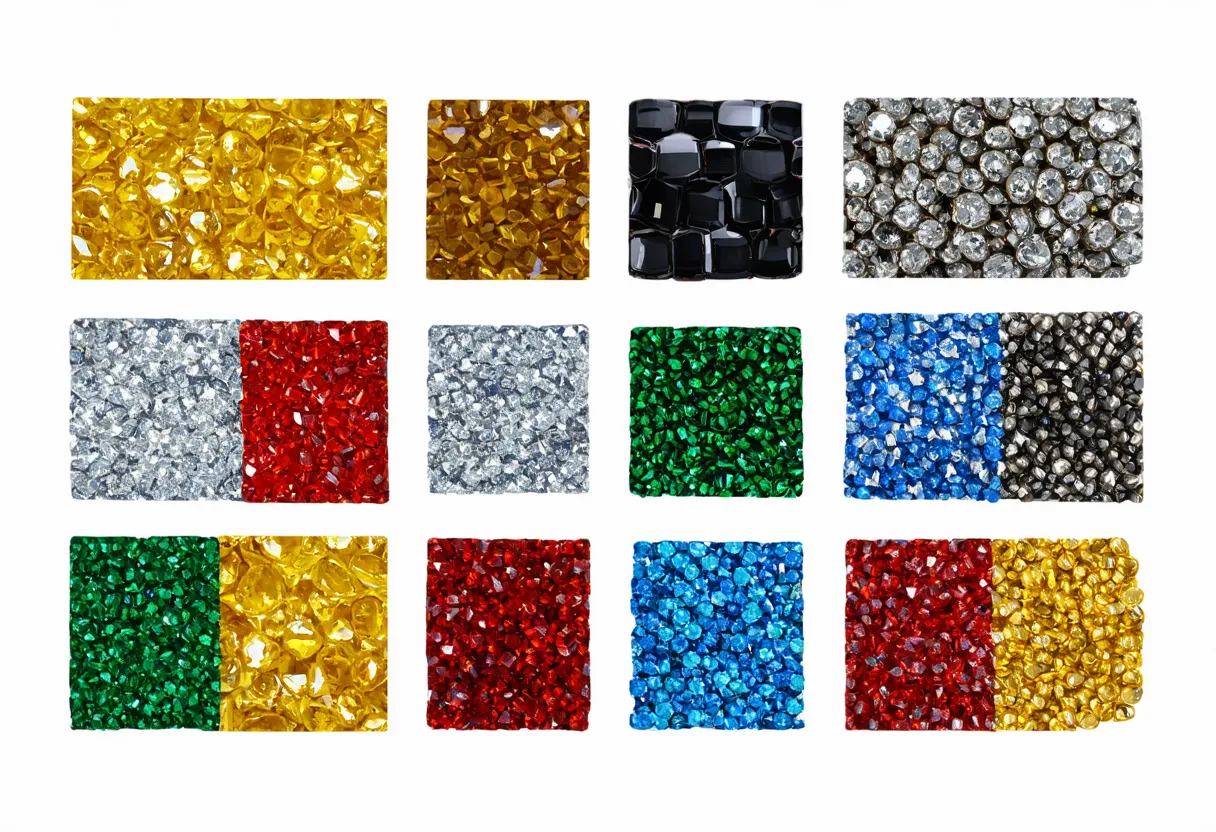
As of 2024, Israel’s import activities are crucial, with imports of goods and services amounting to about $140.4 billion, accounting for roughly 26% of the country’s GDP (World Bank).
Israel’s import activities are diverse, with major partners including China, the US, Turkey, Germany, and India. Key import commodities are diamonds, cars, crude petroleum, refined petroleum, and garments.
Exports Activities of Israel

As of 2024, Israel’s export activities totaled about $153.2 billion in goods and services, accounting for roughly 28% of its GDP (World Bank). This signifies a significant level of importance, driving economic growth and global trade relations.
Israel’s export activities are diverse, with top partners being the US, China, and the West Bank/Gaza Strip. Key commodities include diamonds, integrated circuits, and medical instruments.
Israel economy challenges in 2024
Israel, a high-income country with a strong tech and industrial economy, faces challenges in 2024. Economic contraction and fiscal deficits from the Gaza war strain finances. The labor force stabilizes post-mobilization, but construction and tourism struggle. High-tech industries show resilience amidst adversity.
Last updated: August 2026



Leave a Reply