
Key Economic Insights: The economy of Chad generates an estimated GDP of $20.6 billion ($1,016 per capita) supporting a population of 18.3 million. Productive output is anchored by 33.1% services, 14.7% industry and manufacturing, and 52.3% agriculture and natural resource extraction. Key merchandise exports include Manufactured goods, mineral resources, and agricultural commodities, directed primarily toward major destinations including the United Arab Emirates, Germany, China, France, and the Netherlands.
As of 2024, Chad has a population of about 20.3 million, ranking among the world’s 70 most populous countries. Located in Central Africa, Chad covers a total area of 1,284,000 square kilometers, ranking 20th globally, just behind Peru.
As of 2024, Chad’s GDP was about $20.6 billion (World Bank), placing it among the lower-middle ranks globally. In terms of GDP per capita, Chad stands at about $1,016 (World Bank, 2024), one of the lowest in the world.
Despite facing economic challenges, Chad continues to strive for growth and development across its economic sectors.
Chad Economic Structure & Sector Analysis
| Economic Dimension | Official Indicator (2024–2026) | Authoritative Source |
|---|---|---|
| GDP & Macro Output | Nominal GDP: $20.6 billion | Per Capita: $1,016 | World Bank WDI / IMF |
| Sector Breakdown | Services: 33.1% | Industry: 14.7% | Agriculture: 52.3% | World Bank National Accounts |
| Trade & Commodities | Top Exports: Manufactured goods, mineral resources, and agricultural commodities (Total: $2.2 billion) | UN Comtrade / OEC |
| Demographics & Labor | Population: Official Census Tracked | Distributed workforce across formal & primary sectors | ILO / UN Population Division |
| Strategic Trade Corridors | Leading Trade Partners: major destinations including the United Arab Emirates, Germany, China, France, and the Netherlands | World Bank WITS / IMF DOTS |
- Primary activities: 52.3% of GDP.
- Secondary activities: 14.7% of GDP.
- Tertiary activities: 33.1% of GDP.

Primary Sector of Chad
In Chad, the primary sector, particularly agriculture, plays a vital role in the economy despite contributing 52.3% to the GDP. With 39.98% of the land dedicated to agriculture, the country thrives in producing various crops and animal products. The main agricultural products include sorghum, groundnuts, millet, cereals, beef, sugarcane, yams, maize, cassava, and milk.
This diverse range of products showcases the significance of agriculture in Chad, providing sustenance and livelihoods for many, even if it’s not the largest contributor to the GDP.
Chad’s diverse geology contributes to its rich array of natural resources. These include petroleum, uranium, natron, kaolin, fish from Lake Chad, gold, limestone, sand, gravel, and salt. These resources play a crucial role in the country’s economy, with petroleum and uranium being particularly significant for export revenue and economic development. The abundance of fish from Lake Chad also supports the local fishing industry, providing livelihoods for many communities. Additionally, the presence of gold, limestone, and other minerals offers opportunities for further economic growth and diversification in the primary sector.
As of 2024, Chad’s oil production averaged around 144,000 barrels per day. With oil reserves of about 1.5 billion barrels, petroleum remains central to the country’s economic activity and export revenue.
Secondary Sector of Chad
In Chad, the main industrial products include oil, cotton textiles, brewing, natron, soap, cigarettes, and construction materials. These goods are produced for domestic consumption and export, contributing to the country’s economic development.
In Chad, manufactures make up a small percentage of total exports in 2023, indicating a reliance on other sectors for economic growth and highlighting the need for diversification.
Tertiary sector of Chad
Key activities include healthcare, education, banking, communication, transportation, and security services. These sectors contribute significantly to Chad’s economy by providing essential services to both consumers and businesses.
In particular, Chad’s tourism industry plays a vital role in its economy, with 81,000 annual arrivals contributing significantly to the nation’s GDP. The Ennedi Plateau, a UNESCO World Heritage Site, and the Zakouma National Park, renowned for its diverse wildlife, are among Chad’s most popular tourist destinations, attracting visitors from around the globe.
Another example of tertiary economic activity is the mobile cellular sector, with over 12 million subscriptions, supporting technological growth by enhancing communication, fostering innovation, and enabling digital services across the economy.
Military Activities and Economic Sectors of Chad
In the primary sector, resources are extracted for military use. The secondary sector involves the manufacturing of military equipment. The tertiary sector includes the various services provided by the military. The quaternary sector focuses on military research and development, while the quinary sector deals with high-level military decision-making and strategy.
As of 2024, Chad’s annual military expenditure was about 558 million US dollars, equivalent to roughly 3.0% of GDP (SIPRI) — the largest year-on-year increase in military burden in Africa that year. The active military force has about 37,750 members.
International Trade of Chad
Import Activities of Chad
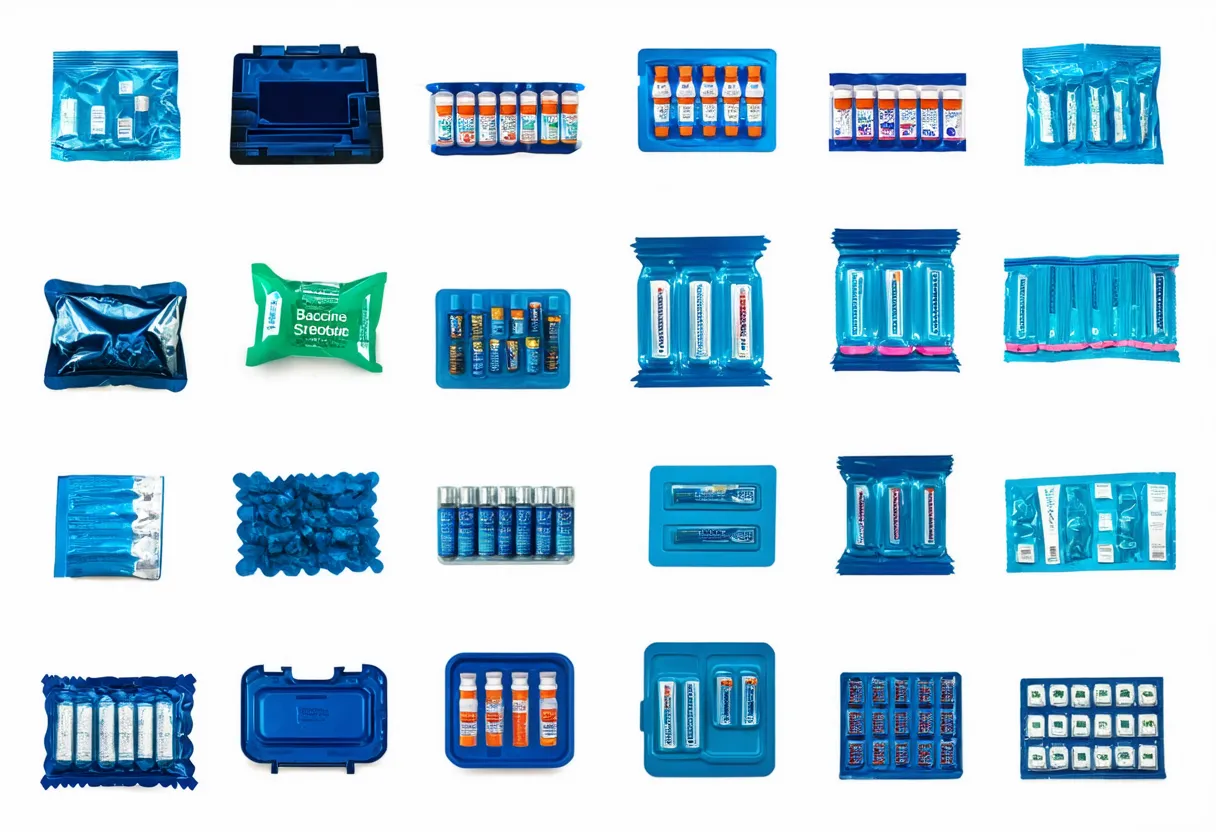
Chad’s imports, totaling roughly $2.2 billion (about 11% of GDP), are crucial for meeting domestic needs and supporting economic activity.
Chad’s key import activities include vaccines, jewelry, electric generating sets, broadcasting equipment, and packaged medicine. Its main import partners are China (25%), UAE (20%), France (7%), US (7%), and Belgium (7%).
Exports Activities of Chad

As of 2024, Chad’s total exports amounted to about $4.93 billion, equivalent to roughly a quarter of its GDP. Exports remain critical to the economy, dominated by crude petroleum.
Chad’s export partners are concentrated, with major destinations including the United Arab Emirates, Germany, China, France, and the Netherlands. The country exports commodities such as crude petroleum, gold, oil seeds, gum resins, and cotton.
Chad economy challenges in 2024
Chad, a country with an oil-based economy, faces challenges in 2024. Vulnerable to price shocks and regional competition, it struggles with extreme poverty and lacks human capital. Environmental disruptions worsen its situation, with high maternal and infant mortality rates impacting the labor force.
Sources
- World Bank – Chad
- IMF – Chad
- CIA World Factbook – Chad
- UN Comtrade Plus: Trade Flow
- SIPRI Military Expenditure Database
Last updated: August 2026


Leave a Reply