
Key Economic Insights: The economy of Solomon Islands generates an estimated GDP of $1.58 billion ($1,934 per capita) supporting a population of 819,198. Productive output is anchored by 58.1% services, 7.6% industry and manufacturing, and 34.3% agriculture and natural resource extraction. Key merchandise exports include wood, fish, palm oil, gold, and coconut oil, directed primarily toward Global and regional trade partners.
As of 2024, the Solomon Islands’ economy stands at a GDP of approximately $1.58 billion (World Bank, 2024), one of the smaller economies globally. The GDP per capita in the Solomon Islands is approximately $1,934 (World Bank, 2024).
The Solomon Islands’ economic position reflects its ongoing development efforts and the challenges of a small, resource-dependent Pacific economy.
Solomon Islands Economic Structure & Sector Analysis
| Economic Dimension | Official Indicator (2024–2026) | Authoritative Source |
|---|---|---|
| GDP & Macro Output | Nominal GDP: $1.58 billion | Per Capita: $1,934 | World Bank WDI / IMF |
| Sector Breakdown | Services: 58.1% | Industry: 7.6% | Agriculture: 34.3% | World Bank National Accounts |
| Trade & Commodities | Top Exports: wood, fish, palm oil, gold, and coconut oil (Total: $529 million) | UN Comtrade / OEC |
| Demographics & Labor | Population: 819,198 | Distributed workforce across formal & primary sectors | ILO / UN Population Division |
| Strategic Trade Corridors | Leading Trade Partners: Global and regional trade partners | World Bank WITS / IMF DOTS |
- Primary activities: 34.3% of GDP.
- Secondary activities: 7.6% of GDP.
- Tertiary activities: 58.1% of GDP.

Primary Sector of Solomon Islands
The primary sector in the Solomon Islands, with 4.29% of its land dedicated to agriculture, thrives due to its tropical climate and rich natural resources. The main agricultural products include oil palm fruit, coconuts, sweet potatoes, taro, yams, fruits, pulses, vegetables, cocoa beans, and cassava.
Despite contributing 34.3% to the GDP, agriculture plays a vital role in the economy. The diverse range of crops and animal products highlights the sector’s significance, providing food security and livelihoods for many Solomon Islanders.
The country’s diverse geological landscape offers abundant natural resources. Its primary sector thrives on fish, forests, gold, bauxite, phosphates, lead, zinc, and nickel. These resources play a crucial role in driving the economy and supporting livelihoods.Secondary Sector of Solomon Islands
In the Solomon Islands, the main industrial product is construction. This sector plays a crucial role in the country’s economy by creating infrastructure and housing for domestic use and potential export.In 2023, the Solomon Islands’ manufactures exports accounted for a small percentage of the total exports, indicating their limited significance in the country’s economy.Tertiary sector of Solomon Islands
Biggest company in Solomon Islands
Which is the biggest company in the Solomon Islands? One of the largest domestically owned companies is Solomon Telekom Company Limited (trading as Our Telekom), the country’s incumbent full-service telecommunications operator providing mobile, fixed-line, and broadband services. It is majority-owned by the Solomon Islands National Provident Fund (SINPF) and operates in the tertiary (services) sector. In the export economy, Guadalcanal Plains Palm Oil Limited (GPPOL) is among the largest revenue generators. As of 2024, no Solomon Islands company publishes audited revenue at a scale comparable to multinational firms, so any single figure should be treated as indicative.International Trade of Solomon Islands
Import Activities of Solomon Islands
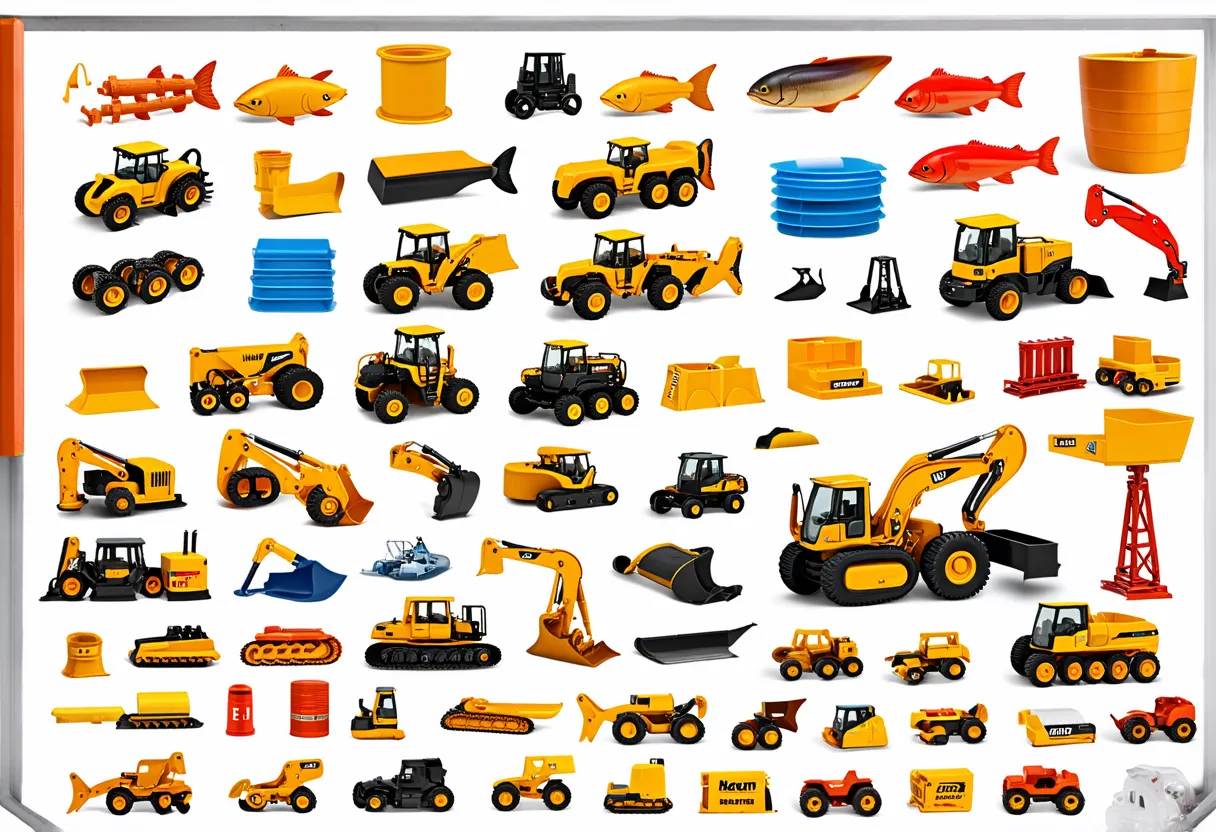 The import activities of the Solomon Islands are of high importance, accounting for 33.12% of GDP, totaling $529 million in 2023.Solomon Islands heavily relies on imports, with China being the largest partner at 37%, followed by Singapore at 16%. Key imports include refined petroleum, plastic products, fish, iron structures, and construction vehicles. Other significant partners are Malaysia, Australia, and New Zealand.
Exports Activities of Solomon Islands
 In 2023, the Solomon Islands exported $508 million, accounting for 31.81% of its GDP. This medium-high level of export importance signifies a significant contribution to the country’s economy, highlighting the crucial role of export activities in driving economic growth and development.The Solomon Islands primarily exports wood, fish, palm oil, gold, and coconut oil. Its key export partners are China (51%), India (9%), Italy (8%), Australia (5%), and the Netherlands (4%).
Solomon Islands economy challenges in 2024
In 2024, Solomon Islands faces challenges with social unrest causing infrastructure damage. Its lower middle-income economy relies on agriculture and metal mining, while navigating a delicate relationship with China. The country’s natural resources are abundant but fragile, posing environmental concerns.Sources
- World Bank – Solomon Islands
- CIA World Factbook – Solomon Islands
- IMF – Solomon Islands
- UN Comtrade Plus: Trade Flow
Last updated: August 2026



Leave a Reply