
Key Economic Insights: The economy of Bhutan generates an estimated GDP of $3.01 billion ($3,831 per capita) supporting a population of 791,524.
Bhutan, with a population of approximately 791,524 (World Bank, 2024), is a small landlocked country in South Asia covering 38,390 sq. km.
As of 2023, Bhutan’s GDP stands at approximately $3.01 billion (World Bank), placing it among the world’s smaller economies. GDP per capita is approximately $3,831 (2023, World Bank). The economy is growing steadily, with real GDP growth of about 4.6% in 2023 and accelerating to approximately 7.5% in 2024, driven primarily by hydropower, tourism recovery, and remittances.
Despite its modest size, Bhutan’s economy is steadily growing, driven by sectors such as hydropower, tourism, and agriculture, contributing to the country’s overall economic stability and development. Druk Holding and Investments (DHI), the Royal Government’s 100%-state-owned holding company with interests in energy, telecoms, financial services, and natural resources, is Bhutan’s largest enterprise, contributing approximately 20% to national GDP (as of 2023, DHI).
Bhutan Economic Structure & Sector Analysis
| Economic Dimension | Figure | Authoritative Source |
|---|---|---|
| GDP & Macro Output | Nominal GDP: $3.01 billion | Per Capita: $3,831 | World Bank WDI / IMF |
| Demographics & Labor | Population: 791,524 | ILO / UN Population Division |
- Primary activities: ~15% of GDP (agriculture, forestry & fishing; World Bank, 2023).
- Secondary activities: ~29.4% of GDP (industry incl. hydropower; World Bank, 2023).
- Tertiary activities: ~52.7% of GDP (services; World Bank, 2023).

Primary Sector of Bhutan
With approximately 13.45% of the country’s land dedicated to agriculture, Bhutan produces a diverse range of products including rice, root vegetables, potatoes, maize, oranges, areca nuts, chilies/peppers, pumpkins/squash, and dairy products.
Agriculture, forestry, and fishing contribute approximately 15% to GDP (World Bank, 2023), employing a large share of the rural population. The sector’s resilience is evident through the production of staple foods and cash crops, showcasing the importance of agriculture in Bhutan’s economy.
With a diverse geological landscape, the primary sector thrives on abundant natural resources. Timber, hydropower potential, gypsum, and calcium carbonate play a pivotal role in the economy, driving growth and sustainability.
Secondary Sector of Bhutan
In Bhutan, main industrial products are cement, wood products, processed fruits, alcoholic beverages, and calcium carbide. Hydropower is the dominant industrial sub-sector, contributing approximately 11.6% of GDP on its own (2023). These products are manufactured for domestic consumption and export, contributing to the country’s economy and industrial growth.
The secondary sector as a whole accounts for approximately 29.4% of GDP (World Bank, 2023), with electricity and hydropower as the leading driver.
Tertiary sector of Bhutan
Key activities include healthcare, education, banking, tourism, transportation, telecommunications, and security services. These sectors contribute significantly to Bhutan’s economy by offering intangible goods like expertise and assistance.
The services sector accounts for approximately 52.7% of GDP (World Bank, 2023), making it the largest sector by share. Bhutan’s tourism industry has been recovering, with arrivals rising from a COVID-era low, though the high-value, low-volume model (sustainable development fee in place) limits mass tourism. In particular, prior to the pandemic Bhutan recorded around 316,000 annual arrivals; recovery is ongoing.
Another example of tertiary economic activity is the mobile cellular sector, which boasts around 742,000 subscriptions, equating to approximately 95 per 100 inhabitants, fostering technological growth, innovation, and digital services.
International Trade of Bhutan
Import Activities of Bhutan
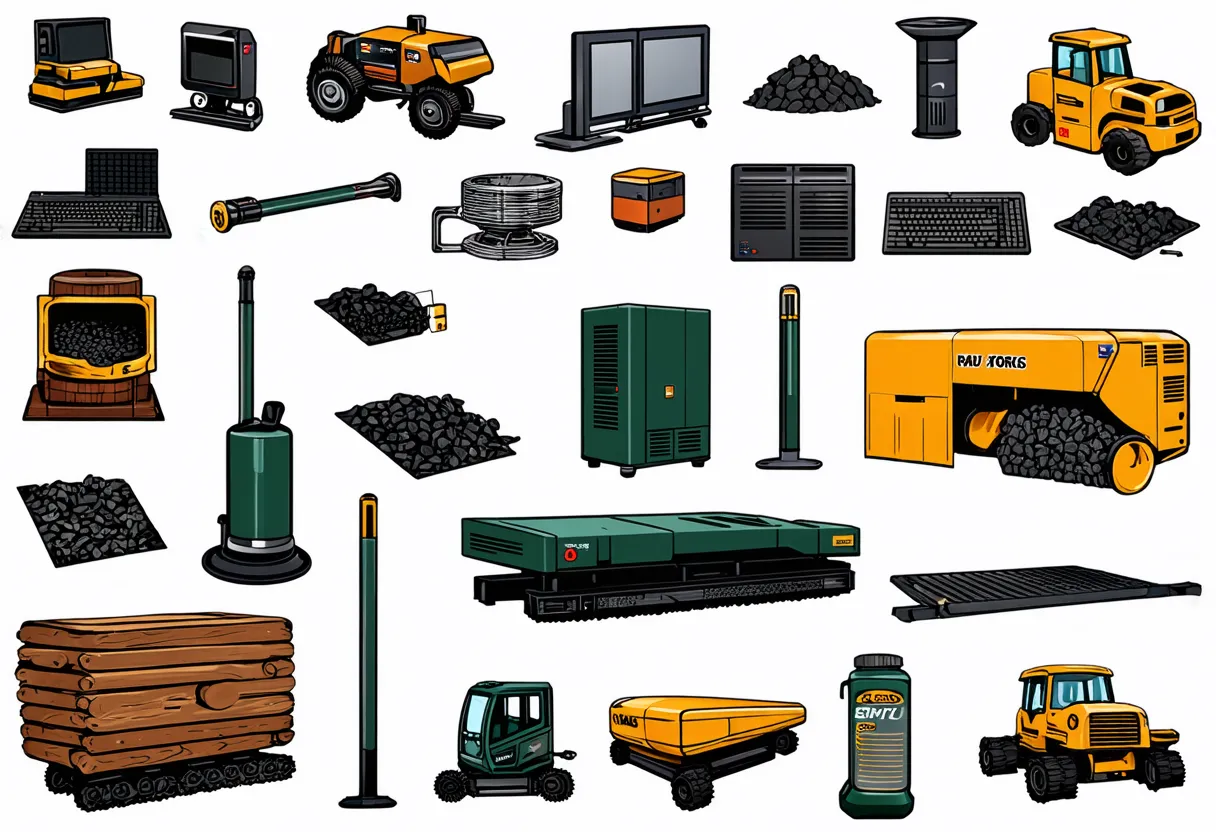
Bhutan’s import activities are significant, totaling approximately $1.29–1.35 billion in goods (2023, WITS/World Bank; UN Comtrade), equivalent to roughly 43–45% of GDP at 2023 GDP levels.
Bhutan’s major import partners are India, accounting for approximately 75–79% of its imports, followed by China at around 12%. The country imports refined petroleum products, electrical machinery, computers, coke, and other industrial inputs mainly from these partners. Other significant import partners include Indonesia, Thailand, and Singapore.
Exports Activities of Bhutan
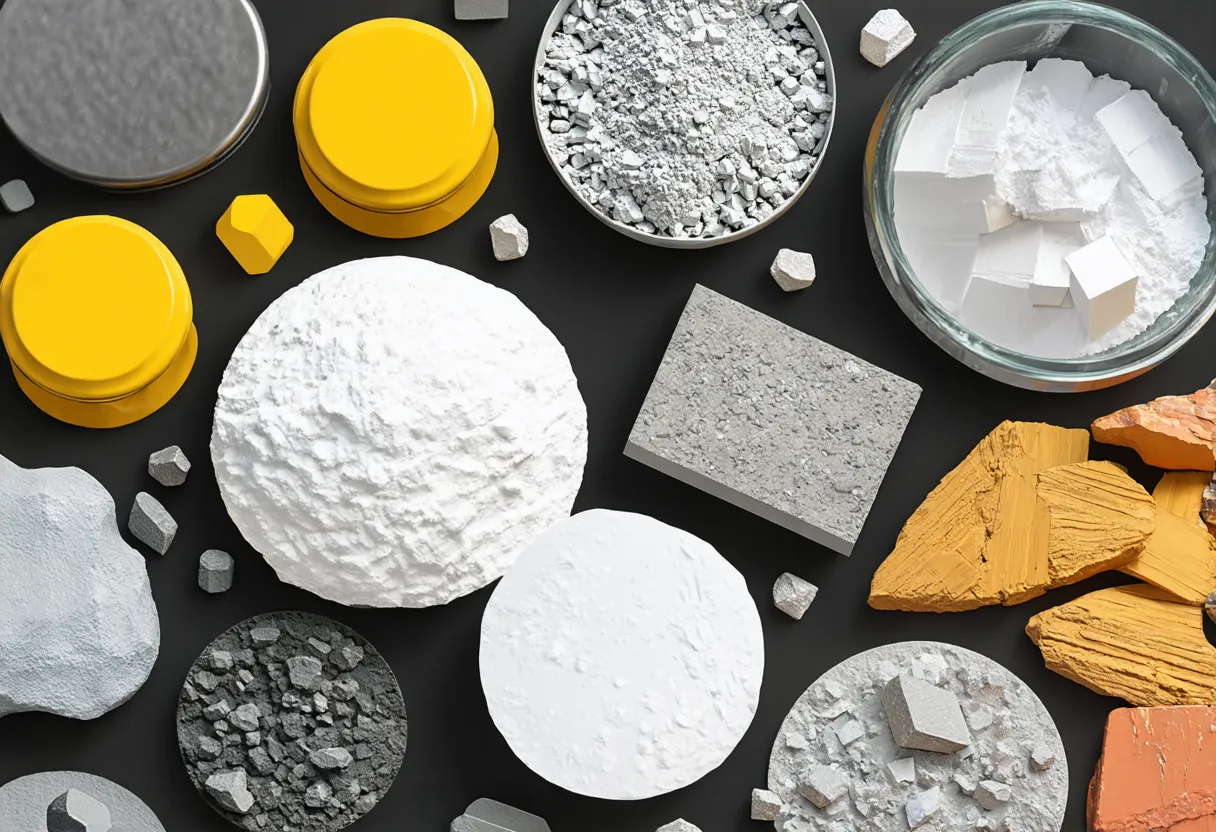
Bhutan’s goods exports in 2023 totaled approximately $392–436 million (2023, WITS/World Bank; UN Comtrade), equivalent to roughly 13–14% of GDP at 2023 GDP levels. Exports play a significant role in Bhutan’s economy, contributing to its growth and stability.
Bhutan’s export activities are primarily focused on electricity (hydropower), iron alloys (ferrosilicon, ferro-silico-manganese), dolomite, gypsum, and cement. The country’s top export partner is India, accounting for approximately 85–88% of its exports, followed by Italy and Nepal.
Bhutan economy challenges in 2024–2025
Bhutan continues to benefit from hydropower investments driving economic growth, with real GDP growth accelerating to approximately 7.5% in 2024. Ongoing challenges include climate vulnerabilities affecting hydropower and agriculture, a significant current account deficit (~17% of GDP), youth unemployment (over 20%), and sustaining strong economic ties with India amidst global uncertainties.
Sources
- World Bank: Bhutan Country Data
- IMF Data Mapper: Bhutan
- WITS World Bank: Bhutan Trade Summary
- UN Comtrade Plus: Trade Flow
- CIA World Factbook: Bhutan
- Druk Holding and Investments (DHI)
Last updated: August 2026




Leave a Reply