
Key Economic Insights: The economy of Guinea generates an estimated GDP of $25.01 billion ($1,695 per capita) supporting a population of 14,754,785. Productive output is anchored by 48.1% services, 32.1% industry and manufacturing, and 19.8% agriculture and natural resource extraction. Key merchandise exports include Manufactured goods, mineral resources, and agricultural commodities, directed primarily toward China, India, the UAE, Switzerland, and Spain.
Guinea’s economic position in 2024 shows a GDP of approximately $25.01 billion (current US$), with the economy growing at about 5.4% annually. In terms of GDP per capita, Guinea stands at roughly $1,695 (2024, current US$). Source: World Bank.
Despite facing some challenges, Guinea’s economy is steadily growing and diversifying, with investments in sectors like mining and agriculture contributing to its development. The government’s focus on infrastructure and economic reforms is expected to further boost the country’s economic prospects in the coming years.
Guinea Economic Structure & Sector Analysis
| Economic Dimension | Official Indicator (2024–2026) | Authoritative Source |
|---|---|---|
| GDP & Macro Output | Nominal GDP: $25.01 billion | Per Capita: $1,695 | World Bank WDI / IMF |
| Sector Breakdown | Services: 48.1% | Industry: 32.1% | Agriculture: 19.8% | World Bank National Accounts |
| Trade & Commodities | Top Exports: Manufactured goods, mineral resources, and agricultural commodities (Total: $3.46 billion) | UN Comtrade / OEC |
| Demographics & Labor | Population: 14,754,785 | Distributed workforce across formal & primary sectors | ILO / UN Population Division |
| Strategic Trade Corridors | Leading Trade Partners: China, India, the UAE, Switzerland, and Spain | World Bank WITS / IMF DOTS |
- Primary activities: 19.8% of GDP.
- Secondary activities: 32.1% of GDP.
- Tertiary activities: 48.1% of GDP.

Primary Sector of Guinea
The primary sector of Guinea is predominantly focused on agriculture, taking advantage of its tropical climate and abundant natural resources. With 59.57% of the country’s land dedicated to agriculture, Guinea produces a variety of crops including cassava, rice, groundnuts, oil palm fruit, maize, fonio, plantains, potatoes, sweet potatoes, and yams.
Despite agriculture contributing 19.8% to the GDP, its significance lies in the diverse range of crops and animal products it produces, sustaining local livelihoods and ensuring food security. The sector plays a crucial role in Guinea’s economy, showcasing the importance of agricultural activities in the country’s development.
The country boasts a rich geological diversity, enabling the abundance of natural resources. Bauxite, iron ore, diamonds, gold, uranium, and hydropower drive the economy. Guinea holds roughly a quarter of the world’s known bauxite reserves and is among the largest bauxite exporters globally. Additionally, the primary sector benefits from fish and salt reserves.Secondary Sector of Guinea
The secondary sector in Guinea encompasses industries that transform raw materials like bauxite, gold, diamonds, and iron ore obtained from primary activities into finished products for consumption. The country’s main industrial products include bauxite, gold, diamonds, iron ore, light manufacturing, and agricultural processing.Guinea’s total exports are mainly driven by natural resources such as minerals and agriculture, making the contribution of manufactures to the overall export percentage relatively insignificant.Tertiary sector of Guinea
Military Activities and Economic Sectors of Guinea
The primary sector helps by providing resources needed for military use, like metals and fuels. The secondary sector is important too, as it manufactures military equipment. The tertiary sector includes services provided by the military, such as logistics and support. The quaternary sector focuses on military research and development, while the quinary sector involves high-level decision-making and strategy.
In Guinea, military expenditure is estimated at around 2% of the country’s GDP, with an active military force of roughly 9,700 personnel.
International Trade of Guinea
Import Activities of Guinea
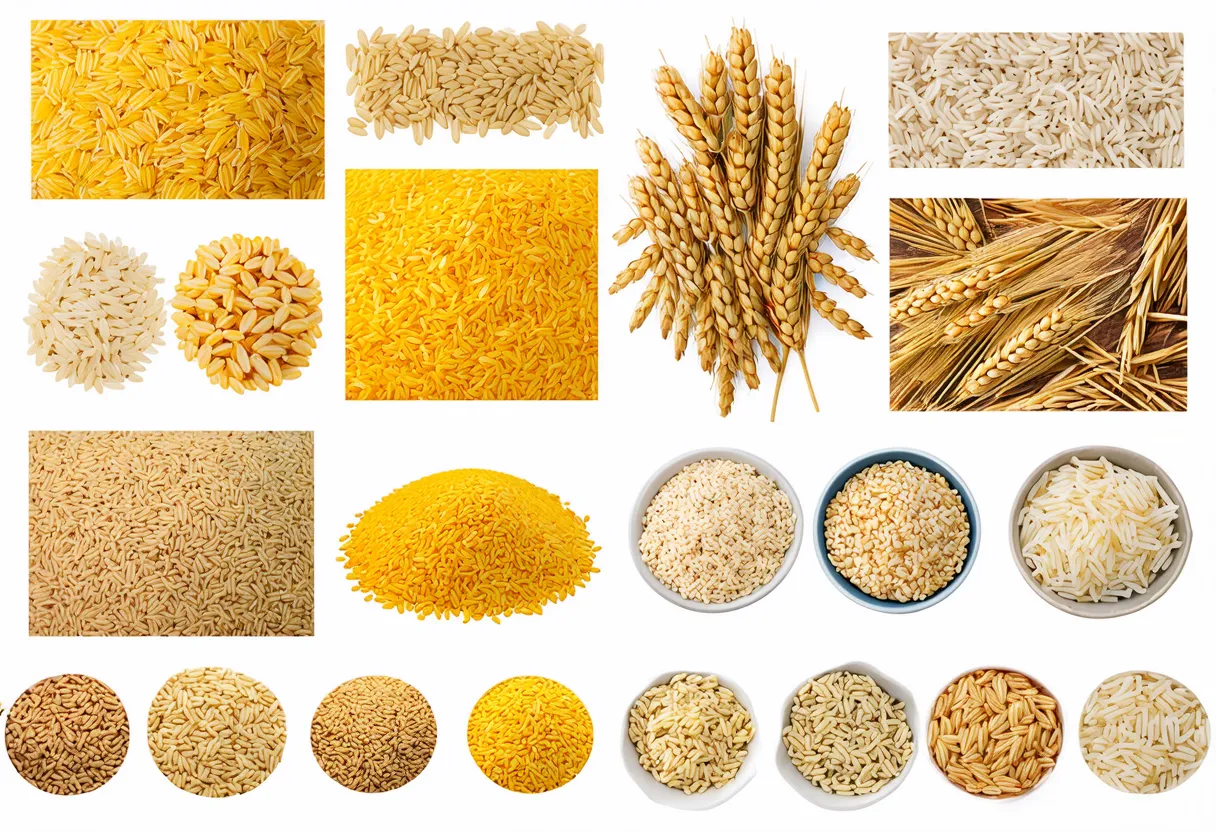 Import activities are important to Guinea’s economy. In 2023, merchandise imports totaled approximately $3.46 billion. Source: World Bank WITS. This highlights the country’s reliance on foreign goods for economic growth.Guinea’s import activities are diverse, with key partners like China, India, Netherlands, UAE, and Belgium. The country mainly imports refined petroleum, rice, garments, plastic products, and wheat.
Exports Activities of Guinea
 Guinea’s merchandise exports are dominated by minerals, led by aluminum ore (bauxite) and gold. In 2022, merchandise exports were estimated at around $7.6 billion, and bauxite and gold export volumes have continued to rise in 2023 and 2024. Exports play a significant role in driving the country’s economic growth and development. Source: World Bank WITS.Guinea’s export activities mainly involve gold, aluminum ore, coconuts/Brazil nuts/cashews, cocoa beans, and fish. The country’s top export partners include China, India, the UAE, Switzerland, and Spain.
Guinea economy challenges
Guinea faces challenges with its growing but agrarian economy, vulnerable to climate change. Slow infrastructure development and gender disparities persist, hindering progress despite improving fiscal balances. The country’s mining sector remains a key player amidst ongoing struggles.Sources
- World Bank Data: Guinea
- IMF: Guinea
- CIA World Factbook: Guinea
- World Bank WITS: Guinea Trade
- UN Comtrade Plus: Trade Flow
Last updated: August 2026



Leave a Reply