
Key Economic Insights: The economy of Antigua and Barbuda generates an estimated GDP of $2.22 billion ($21,326 per capita) supporting a population of 93,763. Productive output is anchored by 78.7% services, 19.4% industry and manufacturing, and 1.9% agriculture and natural resource extraction. Key merchandise exports include Manufactured goods, mineral resources, and agricultural commodities, directed primarily toward Global and regional trade partners.
Antigua and Barbuda, with a population of 93,763, is ranked 177th in population size, just behind Aruba. Located in the Caribbean, it covers 440 square kilometers, ranking 176th in total area, with Curacao just below it.
Antigua and Barbuda’s economic position in 2024 showcases a GDP of approximately $2.22 billion (current USD), ranking 176th globally, according to World Bank data. The GDP per capita for Antigua and Barbuda is approximately $21,326 (2024). Despite its small size, Antigua and Barbuda’s tourism-driven economy has shown resilience and consistent growth.
It is surpassed by Barbados, with a higher GDP per capita in the region. Antigua and Barbuda’s economy shows potential for continued growth and development in the coming years.
Antigua and Barbuda Economic Structure & Sector Analysis
| Economic Dimension | Official Indicator (2024–2026) | Authoritative Source |
|---|---|---|
| GDP & Macro Output | Nominal GDP: $2.22 billion | Per Capita: $21,326 | World Bank WDI / IMF |
| Sector Breakdown | Services: 78.7% | Industry: 19.4% | Agriculture: 1.9% | World Bank National Accounts |
| Trade & Commodities | Top Exports: Manufactured goods, mineral resources, and agricultural commodities (Total: Official UN Comtrade) | UN Comtrade / OEC |
| Demographics & Labor | Population: 93,763 | Distributed workforce across formal & primary sectors | ILO / UN Population Division |
| Strategic Trade Corridors | Leading Trade Partners: Global and regional trade partners | World Bank WITS / IMF DOTS |
- Primary activities: approximately 1.9% of GDP (2023).
- Secondary activities: approximately 19.4% of GDP (2023).
- Tertiary activities: approximately 78.7% of GDP (2023, including net taxes on products).

Primary Sector of Antigua and Barbuda
With 20.45% of the country’s land dedicated to agriculture, the main products include tropical fruits, milk, mangoes/guavas, eggs, lemons/limes, pumpkins/squash, vegetables, sweet potatoes, cassava, and yams.
Despite agriculture contributing approximately 1.9% to the GDP, the diverse range of crops and animal products play a crucial role in the country’s economy. The variety of agricultural products not only sustains the local population but also contributes to the country’s overall food security and agricultural sector development.
Antigua and Barbuda’s geological diversity, from limestone to volcanic rocks, influences its natural resources. The primary sector thrives on its pleasant climate, fostering tourism, which is a crucial driver of the economy.
Secondary Sector of Antigua and Barbuda
In Antigua and Barbuda, the main industrial products include construction materials, clothing, alcohol, and household appliances.
Manufactures in Antigua and Barbuda’s total exports are not a significant contributor, accounting for only 20.46% in 2023. The country relies more on other sectors for economic growth and trade.
Tertiary sector of Antigua and Barbuda
The tertiary sector encompasses the intangible aspects of the economy, where individuals provide knowledge and time to enhance productivity and meet needs. This includes services like advice, expertise, and consumer/business-to-business services. In Antigua and Barbuda, key tertiary activities are restaurants, healthcare, education, banking, tourism, transportation, and telecommunications.
Notably, Antigua and Barbuda’s economy heavily relies on tourism, with over 1 million annual arrivals, accounting for 11% of the population. Popular destinations include the pristine beaches of Dickenson Bay and the historic Nelson’s Dockyard, a UNESCO World Heritage Site, attracting visitors worldwide and significantly contributing to the country’s economic growth.
Another example of tertiary economic activity is the mobile cellular sector, with approximately 184,000 subscriptions, equating to about 197 per 100 inhabitants. This connectivity fosters technological growth, enhancing communication and innovation.
International Trade of Antigua and Barbuda
Import Activities of Antigua and Barbuda

Antigua and Barbuda’s import activities are of high importance, with imports accounting for approximately 62.98% of the country’s GDP in 2022 (latest World Bank data), per World Bank.
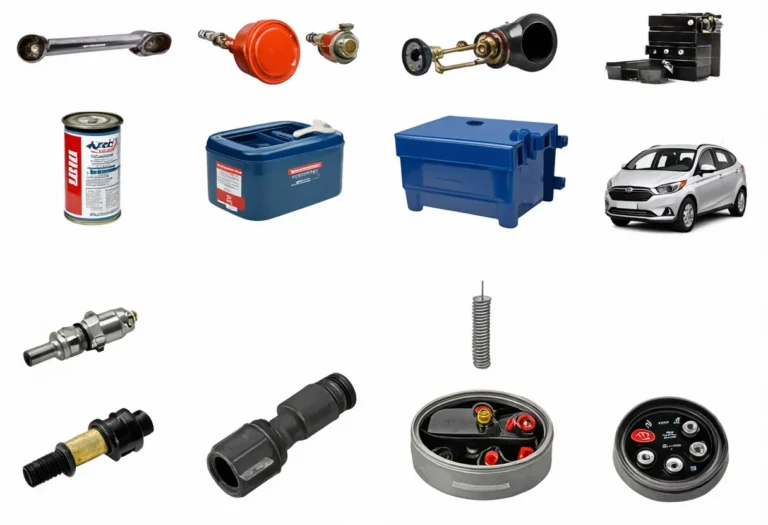
Antigua and Barbuda’s main import partners are the US, China, Spain, Brazil, and Finland. They primarily import refined petroleum, ships, engine parts, plastic products, and cars. The US accounts for 57% of their imports, followed by China at 7%.
Exports Activities of Antigua and Barbuda
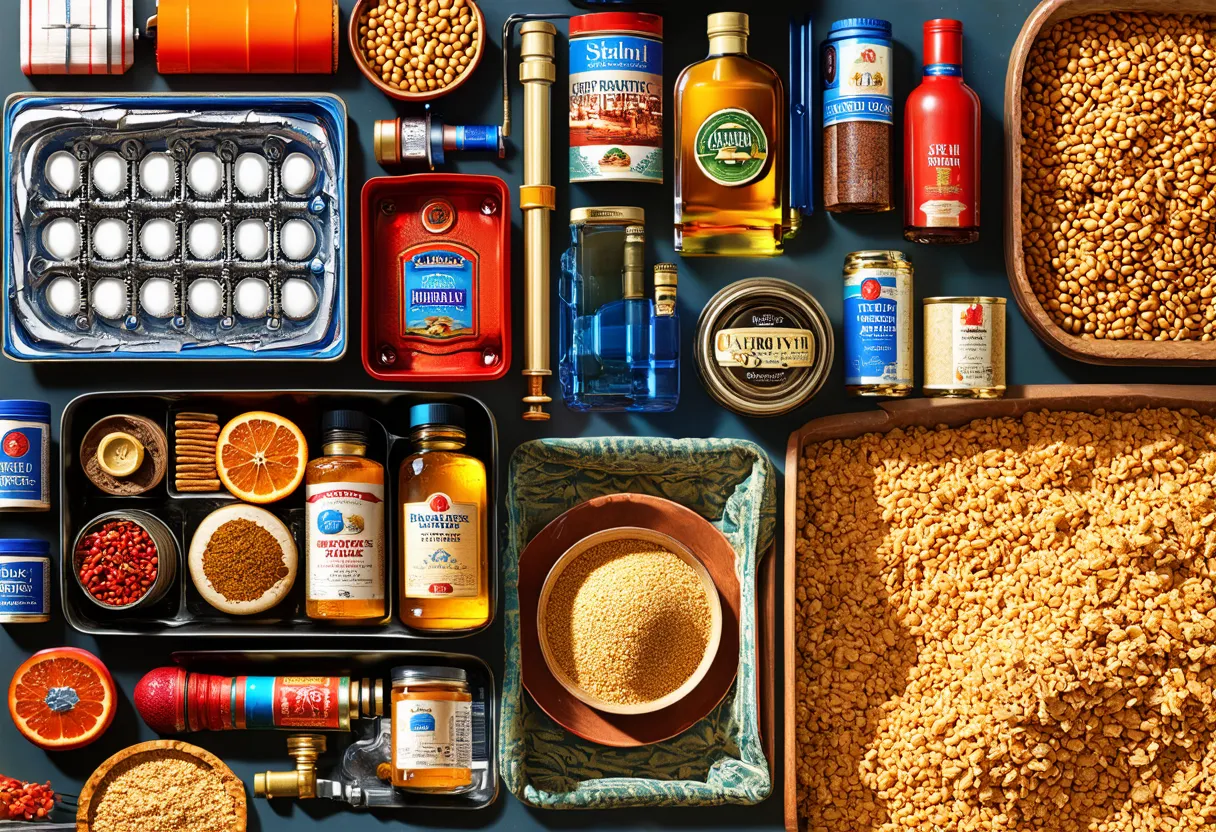
In 2022, Antigua and Barbuda’s exports of goods and services amounted to approximately 54.72% of its GDP (latest World Bank data), per World Bank. Export activities play a crucial role in the country’s economy, indicating a significant reliance on foreign markets for growth and stability.
Antigua and Barbuda’s export activities are diverse, with top partners including Suriname, Poland, and Germany. Key export commodities are refined petroleum, ships, gas turbines, soybean meal, and liquor.
Antigua and Barbuda economy challenges in 2024
Antigua and Barbuda faces challenges in 2024 with its dual island-tourism economy affected by limited water supply and hurricane risks. The country aims to boost its “blue economy” while improving infrastructure and exploring financial innovation in cryptocurrency and blockchain.
Sources
- World Bank Data: Antigua and Barbuda
- IMF: Antigua and Barbuda
- CIA World Factbook: Antigua and Barbuda
- UN Comtrade Plus: Trade Flow
Last updated: August 2026



Leave a Reply