
Key Economic Insights: The economy of Bolivia generates an estimated GDP of $46.8 billion ($3,858 per capita) supporting a population of 12.4 million. Productive output is anchored by 51.3% services, 35.2% industry and manufacturing, and 13.5% agriculture and natural resource extraction. Key merchandise exports include Manufactured goods, mineral resources, and agricultural commodities, directed primarily toward India (16%), Brazil (14%), Argentina (13%), Colombia (8%), and Japan (7%).
Bolivia, with a population of approximately 12.3 million (2024), is located in South America, covering 1,098,580 square kilometers, ranking 27th globally.
Bolivia’s economic position in 2023 is characterized by a GDP of approximately $46.8 billion, with a GDP per capita of approximately $3,858. As of 2024, GDP reached an estimated $49.7 billion with a GDP per capita of approximately $4,045, according to World Bank data.
Bolivia’s economy is driven by natural resources — particularly natural gas, minerals, and lithium — alongside a growing services sector, though declining gas output poses significant medium-term challenges.
Bolivia Economic Structure & Sector Analysis
| Economic Dimension | Official Indicator (2024–2026) | Authoritative Source |
|---|---|---|
| GDP & Macro Output | Nominal GDP: $46.8 billion | Per Capita: $3,858 | World Bank WDI / IMF |
| Sector Breakdown | Services: 51.3% | Industry: 35.2% | Agriculture: 13.5% | World Bank National Accounts |
| Trade & Commodities | Top Exports: Manufactured goods, mineral resources, and agricultural commodities (Total: $588.8 million) | UN Comtrade / OEC |
| Demographics & Labor | Population: 12 | Distributed workforce across formal & primary sectors | ILO / UN Population Division |
| Strategic Trade Corridors | Leading Trade Partners: India (16%), Brazil (14%), Argentina (13%), Colombia (8%), and Japan (7%) | World Bank WITS / IMF DOTS |
- Primary activities (agriculture, forestry, fishing): approximately 13.5% of GDP (2023).
- Secondary activities (industry, manufacturing, mining, energy): approximately 35.2% of GDP (2023).
- Tertiary activities (services): approximately 51.3% of GDP (2023).

Primary Sector of Bolivia
With approximately 35% of the country’s land dedicated to agriculture, Bolivia produces a variety of crops like sugarcane, soybeans, potatoes, maize, rice, sorghum, as well as animal products such as milk, chicken, and plantains.
The agriculture sector contributed approximately 13.5% to GDP in 2023, according to World Bank data, reflecting the sector’s sustained importance to the country’s economy.
Blessed with diverse geology, the country boasts abundant natural resources like lithium, tin, natural gas, and more. These riches fuel the economy, with mining, energy, and forestry sectors playing pivotal roles in driving growth and development. Bolivia holds some of the world’s largest lithium reserves and is a significant regional natural gas producer.
Bolivia’s oil production averages around 31,631 barrels per day, with proven reserves of approximately 211 million barrels. The country ranks 47th globally for oil production.
Bolivia’s natural gas production has declined significantly from its peak. In 2020 output reached approximately 20,510 million m³; by 2023, production had fallen to approximately 13.4 billion m³ (approximately 31.9 million cubic meters per day), according to industry data, due to aging fields and underinvestment. Bolivia remains the 32nd-largest natural gas producer globally, but export volumes to Brazil and Argentina have contracted sharply.
Secondary Sector of Bolivia
In Bolivia, the main industrial products include smelting, electricity, petroleum, food and beverages, handicrafts, clothing, and jewelry. These products are manufactured for domestic consumption and export, contributing significantly to Bolivia’s economy.
Manufactures in Bolivia’s total exports only account for approximately 3% in 2023, indicating their relatively minor role in the country’s export economy. Bolivia’s largest domestic enterprise is YPFB (Yacimientos Petrolíferos Fiscales Bolivianos), the state-owned oil and gas company, which is the dominant driver of the secondary sector.
Tertiary sector of Bolivia
The tertiary sector in Bolivia encompasses services where individuals provide knowledge and time to enhance productivity and meet needs. Key activities include restaurants, healthcare, education, banking, communication, media, tourism, and transportation. These services play a crucial role in the country’s economy by offering intangible goods like expertise and advice. The services sector accounted for approximately 51.3% of GDP in 2023, reflecting its growing importance.
Bolivia’s tourism sector, with approximately 1.2 million annual arrivals, contributes modestly to its economy. Despite its rich culture and landscapes, the country’s reliance on tourism remains relatively low compared to other sectors, suggesting room for potential growth and diversification.
Another example of tertiary economic activity is the mobile cellular sector, boasting over 12 million subscriptions, equating to approximately 100 per 100 inhabitants. This connectivity fosters technological growth, enabling innovation and digital services.
Military Activities and Economic Sectors of Bolivia
It involves the primary sector through resource extraction for military needs, like minerals. The secondary sector includes the manufacturing of military equipment, while the tertiary sector covers services provided by the military, such as logistics and support. Additionally, the quaternary sector focuses on military research and development, and the quinary sector involves high-level decision-making and strategy.
In Bolivia, military expenditure in 2023 was approximately $588.8 million USD, representing approximately 1.26% of GDP. The active military force consists of approximately 34,100 personnel.
International Trade of Bolivia
Import Activities of Bolivia
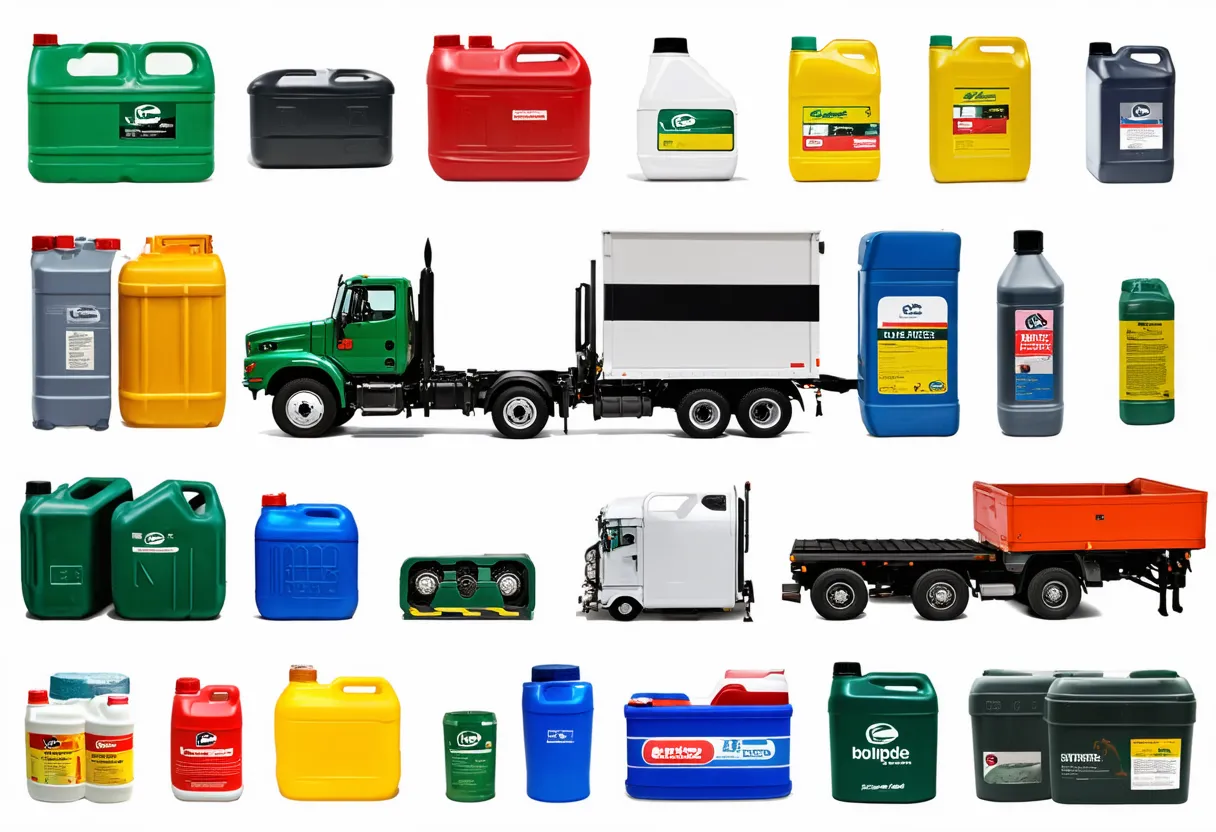
Bolivia’s import activities totalled approximately $11.49 billion in 2023, accounting for approximately 24.5% of GDP, according to World Bank WITS data.
Bolivia’s key import activities include refined petroleum, cars, pesticides, plastic products, and trucks. Its top import partners are China (21%), Brazil (17%), Chile (13%), Peru (9%), and Argentina (6%).
Exports Activities of Bolivia

Bolivia’s total exports in 2023 amounted to approximately $10.9 billion, accounting for approximately 23.3% of GDP, according to World Bank WITS data. Export activities play a significant role in driving the country’s economic growth and stability.
Bolivia’s export activities are diverse, with natural gas, gold, zinc ore, soybean meal, and soybean oil being the main commodities. Its key export partners include India (16%), Brazil (14%), Argentina (13%), Colombia (8%), and Japan (7%).
Bolivia economy challenges in 2024
Bolivia faces challenges with its resource-rich economy impacted by declining natural gas output and commodity price fluctuations. Bolivia’s gas production has fallen sharply from its 2014 peak, reducing export revenues. Deepening ties with Chinese lithium mining investment offer potential new revenue streams, though commercial-scale lithium extraction remains limited. COVID-19 hit hard in prior years, leading to increased poverty, while structural challenges persist in the banking and finance sectors.
Sources
- World Bank: Bolivia Country Data
- IMF DataMapper: Bolivia
- World Bank WITS: Bolivia Trade Profile
- UN Comtrade Plus: Trade Flow
- CIA World Factbook: Bolivia
Last updated: August 2026



Leave a Reply