
Key Economic Insights: The economy of Curacao generates an estimated GDP of $3.26 billion ($22,833 per capita) supporting a population of 155,967. Productive output is anchored by 83.8% services, 15.5% industry and manufacturing, and 0.7% agriculture and natural resource extraction. Key merchandise exports include Manufactured goods, mineral resources, and agricultural commodities, directed primarily toward Global and regional trade partners.
As of 2024, Curacao’s GDP was approximately $3.26 billion, ranking among the smaller economies globally. The country’s GDP per capita was approximately $22,833 in 2024 (up from about $21,218 in 2023), placing it among the higher-income territories in the Caribbean.
Curacao’s economic position reflects a moderate standing in the global economy, with room for growth and development in various sectors to enhance its economic performance and competitiveness on the international stage.
Curacao Economic Structure & Sector Analysis
| Economic Dimension | Official Indicator (2024–2026) | Authoritative Source |
|---|---|---|
| GDP & Macro Output | Nominal GDP: $3.26 billion | Per Capita: $22,833 | World Bank WDI / IMF |
| Sector Breakdown | Services: 83.8% | Industry: 15.5% | Agriculture: 0.7% | World Bank National Accounts |
| Trade & Commodities | Top Exports: Manufactured goods, mineral resources, and agricultural commodities (Total: $1.29 billion) | UN Comtrade / OEC |
| Demographics & Labor | Population: 155,967 | Distributed workforce across formal & primary sectors | ILO / UN Population Division |
| Strategic Trade Corridors | Leading Trade Partners: Global and regional trade partners | World Bank WITS / IMF DOTS |
- Primary activities: 0.7% of GDP.
- Secondary activities: 15.5% of GDP.
- Tertiary activities: 83.8% of GDP.

Primary Sector of Curacao
Curacao’s primary sector, mainly agriculture, thrives due to its tropical climate and fertile land. Agricultural land covers 20% of the country. Key products include aloe, sorghum, peanuts, vegetables, and tropical fruits. Despite contributing 0.7% to the GDP, agriculture plays a vital role in providing food security and preserving traditional practices.
The diverse range of crops and animal products highlights the sector’s significance in sustaining local livelihoods and promoting self-sufficiency.
Curacao’s geology is dominated by limestone terraces and older volcanic rock. Calcium phosphate was historically mined on the island, and its naturally protected deep-water harbor at Willemstad remains a key economic asset, supporting maritime trade, transshipment, and port-related services.Secondary Sector of Curacao
In Curacao, the main industrial products include petroleum refining, petroleum transshipment, light manufacturing, and financial and business services. These industries play a vital role in the country’s economy by adding value to raw materials and providing goods and services for both domestic and international markets.In 2023, Curacao’s total exports are dominated by industries other than manufactures, making their contribution relatively insignificant in the country’s overall export composition.Tertiary sector of Curacao
International Trade of Curacao
Import Activities of Curacao
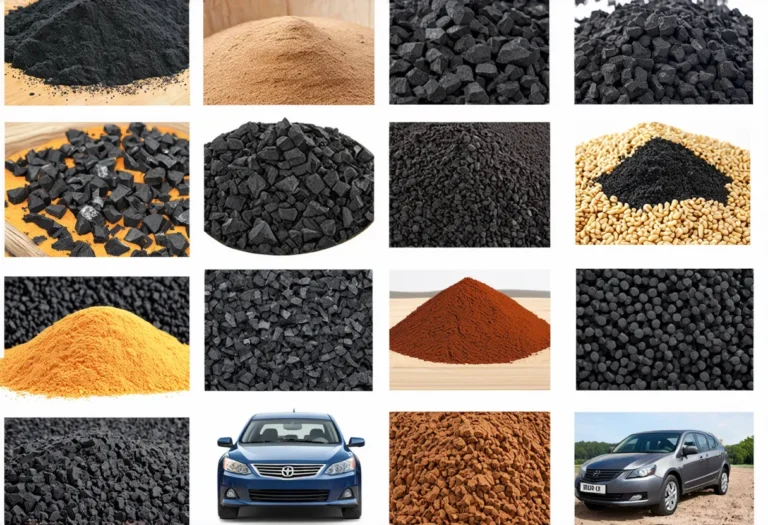
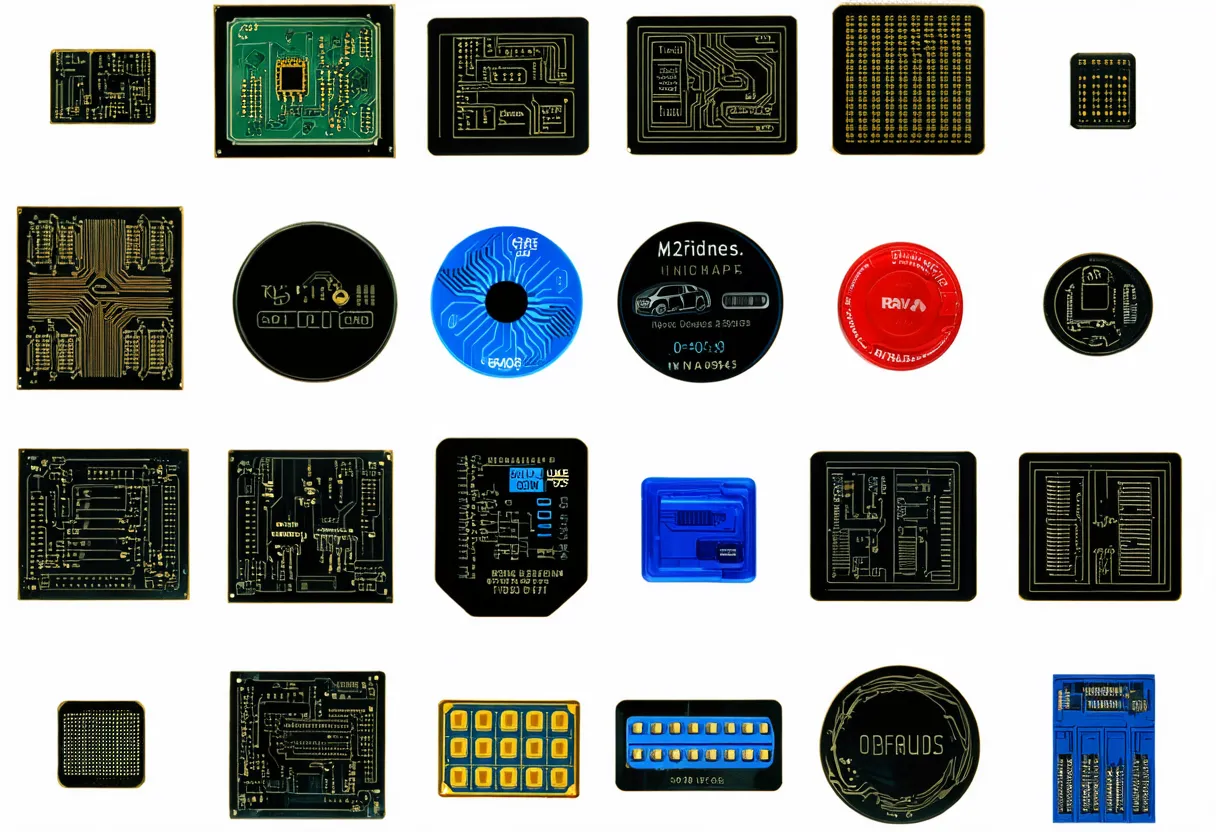 The import activities of Curacao are of high importance, with imports totaling $1.29 billion, accounting for 41.95% of the country’s GDP in 2023.Curacao’s import activities are diverse, with its top partners being the US and the Netherlands. Key imports include refined petroleum, cars, garments, integrated circuits, and packaged medicine, sourced from countries like China, Ecuador, and the Philippines.
Exports Activities of Curacao
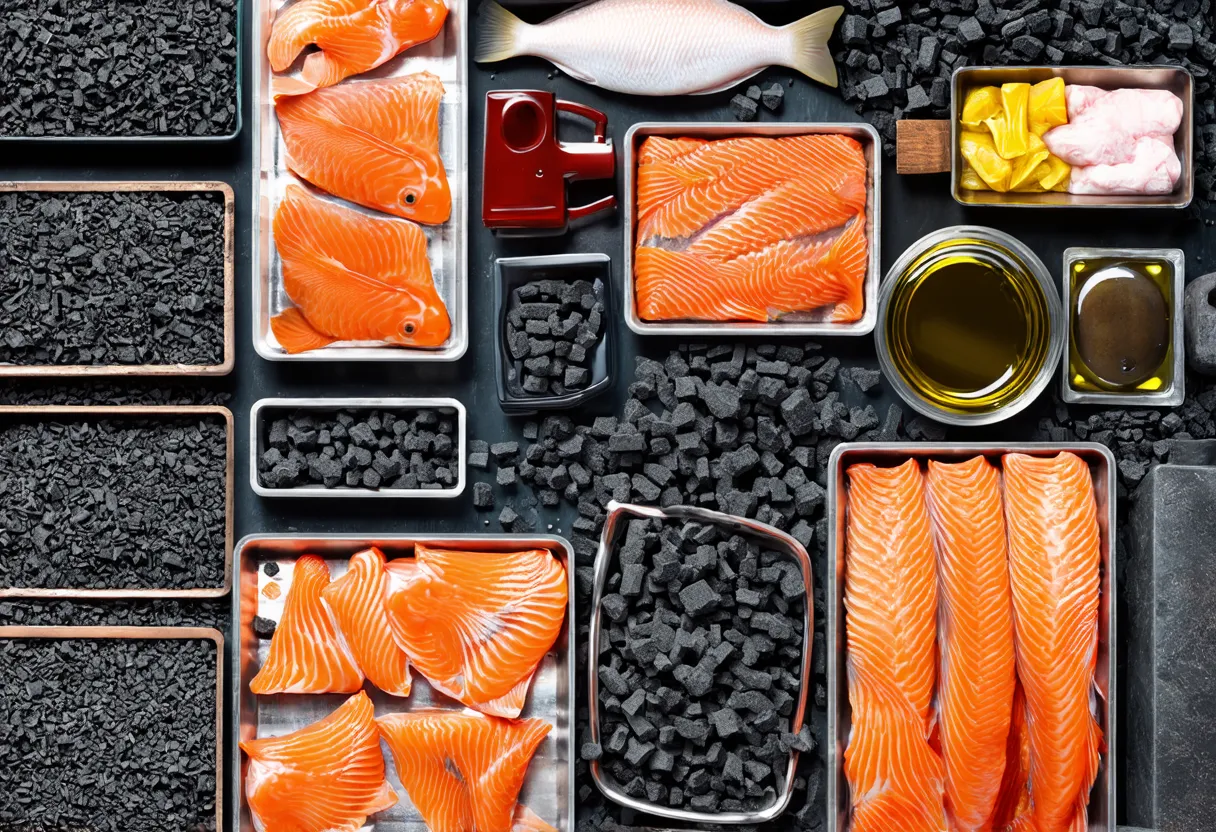 Curacao’s total exports in 2023 amounted to $255 million, representing 8.29% of its GDP. With a low export-to-GDP ratio, export activities hold relatively low importance for the country’s economy.Curacao’s export activities are diverse, with top partners like the US and Costa Rica. Key commodities include refined petroleum, fish, and scrap iron.
Curacao economy challenges in 2024
As of 2025, the island’s 335,000 b/d Isla refinery in Emmastad has remained shut since 2019, when the lease with Venezuela’s PdVSA expired, removing a once-major source of export earnings and employment. Government holding company RdK and partners have continued to seek operators and US regulatory approvals to restart refining or repurpose the Bullenbaai terminal as an oil transshipment hub, but the refinery’s future remains uncertain. Tourism, meanwhile, has rebounded strongly to record levels, and Curacao continues to diversify toward offshore finance, logistics, and information-technology services while managing relatively high public debt.Sources
- World Bank Open Data: Curacao
- CIA World Factbook: Curacao
- Central Bureau of Statistics Curacao: Economy
- IMF DataMapper: Curacao
- UN Comtrade Plus: Trade Flow
Last updated: August 2026



Leave a Reply