
Key Economic Insights: The economy of Barbados generates an estimated GDP of $7.5 billion ($26,545 per capita) supporting a population of 282,467. Productive output is anchored by 84.8% services, 13.3% industry and manufacturing, and 1.9% agriculture and natural resource extraction. Key merchandise exports include liquor, packaged medicine, ships, paper labels, and baked goods, directed primarily toward Global and regional trade partners.
Barbados had a GDP of approximately $7.5 billion (current USD) in 2024, according to World Bank data. In terms of GDP per capita, Barbados stands at approximately $26,545 (2024), reflecting its status as one of the more prosperous Caribbean economies. The country maintains a stable economic position with a strong focus on tourism, international business, and financial services.
Barbados Economic Structure & Sector Analysis
| Economic Dimension | Official Indicator (2024–2026) | Authoritative Source |
|---|---|---|
| GDP & Macro Output | Nominal GDP: $7.5 billion | Per Capita: $26,545 | World Bank WDI / IMF |
| Sector Breakdown | Services: 84.8% | Industry: 13.3% | Agriculture: 1.9% | World Bank National Accounts |
| Trade & Commodities | Top Exports: liquor, packaged medicine, ships, paper labels, and baked goods (Total: $2.14 billion) | UN Comtrade / OEC |
| Demographics & Labor | Population: 282,467 | Distributed workforce across formal & primary sectors | ILO / UN Population Division |
| Strategic Trade Corridors | Leading Trade Partners: Global and regional trade partners | World Bank WITS / IMF DOTS |
- Primary activities: approximately 1.9% of GDP (2023).
- Secondary activities: approximately 13.3% of GDP (2023).
- Tertiary activities: approximately 84.8% of GDP (2023).

Primary Sector of Barbados
Agricultural land covers 23.26% of the country. The main products include sugarcane, chicken, vegetables, milk, eggs, sweet potatoes, pork, coconuts, cantaloupes/melons, and various tropical fruits.
Despite contributing approximately 1.9% to GDP (2023, World Bank), agriculture plays a vital role in the economy. The diverse range of crops and animal products highlights the sector’s significance, providing food security and employment opportunities.
Barbados’ geological diversity provides a range of natural resources, including petroleum, fish, and natural gas. These resources bolster the economy through industries like fishing, energy production, and exportation, contributing significantly to the country’s economic growth and stability.Barbados’ oil production, with around 1,000 barrels per day, ranks among the smaller producers globally. Its oil reserves of approximately 2.3 million barrels contribute modestly to the country’s energy mix.Barbados’ natural gas production of approximately 17 million m³ (2020) plays a supporting role in the country’s energy activity, helping to reduce dependence on imported fuel.Secondary Sector of Barbados
They take raw materials from primary activities and manufacture new goods for domestic sale or export. In Barbados, the main industrial products include sugar, light manufacturing, and component assembly for export.The secondary sector accounts for approximately 13.3% of GDP (2023, World Bank), encompassing construction, utilities, and manufacturing. Manufactured goods account for a modest share of total exports.Tertiary sector of Barbados
International Trade of Barbados
Import Activities of Barbados
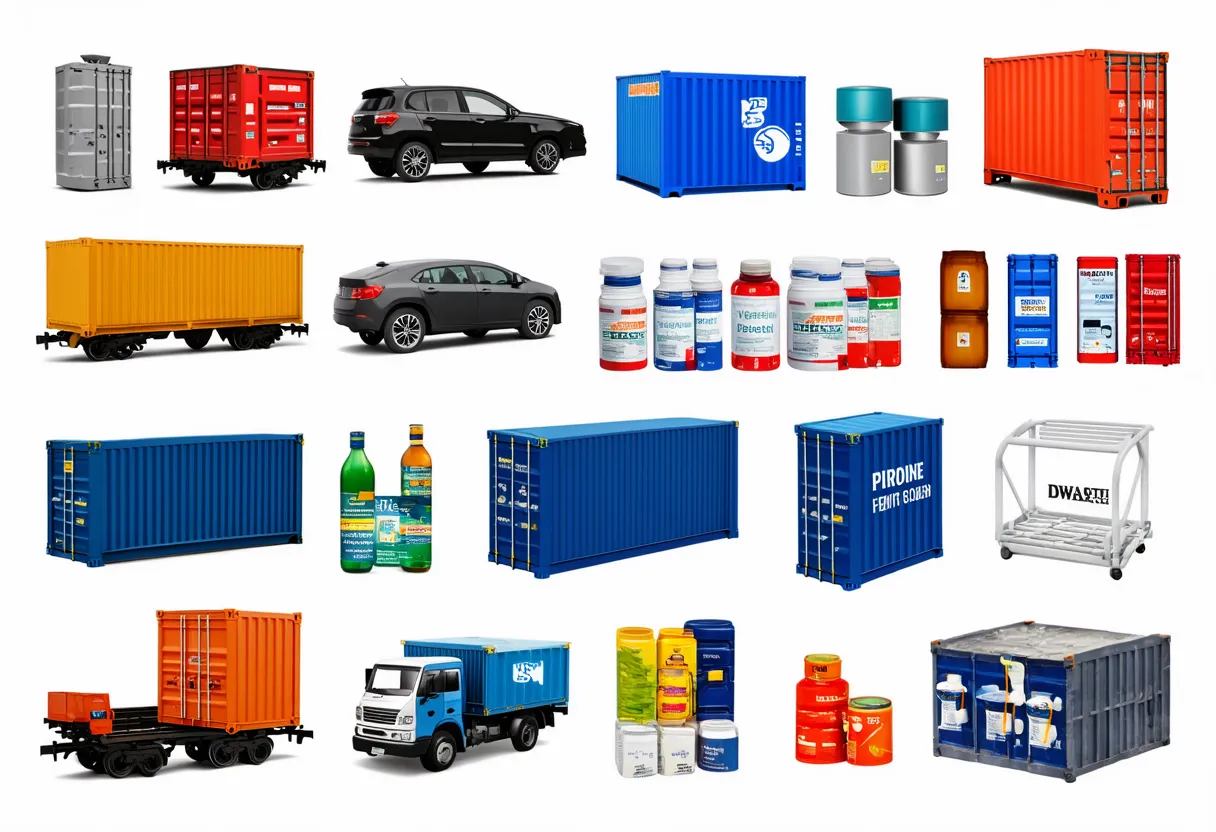 Barbados’ imports totalled approximately $2.14 billion in 2023, equivalent to roughly 31.9% of GDP, reflecting the country’s reliance on foreign goods for energy, consumer products, and capital equipment (WITS/World Bank, 2023).Barbados primarily imports refined petroleum, plastic products, cars, railway cargo containers, and packaged medicine. Its key import partners are the US (43%), China (8%), Trinidad and Tobago (7%), UK (5%), and Netherlands (3%).
Exports Activities of Barbados
 Barbados’ total merchandise exports in 2023 amounted to approximately $476 million, equivalent to roughly 7.1% of GDP (WITS/World Bank, 2023). Services exports, particularly tourism and financial services, represent a far larger share of the economy.Barbados primarily exports liquor, packaged medicine, ships, paper labels, and baked goods. Its top export partners are the US (23%), Jamaica (11%), Trinidad and Tobago (9%), Guyana (8%), and Poland (6%).
Barbados economy challenges in 2025
Barbados faces ongoing challenges due to its reliance on tourism and US imports, elevated public debt, and cost-of-living vulnerabilities. The country’s key tourism and financial sectors remain crucial, and continued diversification into renewable energy and digital services is a strategic priority.Sources
- World Bank Data: Barbados
- IMF: Barbados Country Profile
- WITS/World Bank: Barbados Trade Summary
- CIA World Factbook: Barbados
- Barbados Tourism Ministry: Statistics
Last updated: August 2026



Leave a Reply