
Key Economic Insights: The economy of Tajikistan generates an estimated GDP of $14.2 billion ($1,496 per capita) supporting a population of 10.1 million. Productive output is anchored by 45.9% services, 25.5% industry and manufacturing, and 28.6% agriculture and natural resource extraction. Key merchandise exports include gold, precious metal ore, cotton, copper ore, and aluminum, directed primarily toward Global and regional trade partners.
As of 2024, Tajikistan’s GDP is approximately $14.2 billion, according to the World Bank. Its GDP per capita stands at roughly $1,496 as of 2024, reflecting steady growth from earlier years.
Despite facing challenges, Tajikistan continues to strive for economic growth and development, focusing on sectors such as agriculture, mining, and remittances to bolster its economy and improve the standard of living for its citizens.
Tajikistan Economic Structure & Sector Analysis
| Economic Dimension | Official Indicator (2024–2026) | Authoritative Source |
|---|---|---|
| GDP & Macro Output | Nominal GDP: $14.2 billion | Per Capita: $1,496 | World Bank WDI / IMF |
| Sector Breakdown | Services: 45.9% | Industry: 25.5% | Agriculture: 28.6% | World Bank National Accounts |
| Trade & Commodities | Top Exports: gold, precious metal ore, cotton, copper ore, and aluminum (Total: $246 million) | UN Comtrade / OEC |
| Demographics & Labor | Population: 10 | Distributed workforce across formal & primary sectors | ILO / UN Population Division |
| Strategic Trade Corridors | Leading Trade Partners: Global and regional trade partners | World Bank WITS / IMF DOTS |
- Primary activities: 28.6% of GDP.
- Secondary activities: 25.5% of GDP.
- Tertiary activities: 45.9% of GDP.
Primary Sector of Tajikistan
With 35.43% of the country’s land dedicated to agriculture, Tajikistan produces a diverse range of products including milk, potatoes, wheat, watermelons, onions, cotton, tomatoes, carrots/turnips, vegetables, and beef.
Despite contributing 28.6% to the GDP, agriculture remains a vital sector for the country’s economy. The variety of crops and animal products not only sustains the agricultural sector but also plays a crucial role in providing food security and livelihoods for many Tajikistanis.
The country’s diverse geological landscape provides a rich array of natural resources, including hydropower, petroleum, uranium, mercury, brown coal, lead, zinc, antimony, tungsten, silver, and gold. These resources play a vital role in the economy, particularly in sectors such as energy, mining, and manufacturing, driving economic growth and development.Tajikistan’s oil production, at around 316 barrels per day, ranks 72nd globally. With reserves of 12 million barrels, it holds just 0.1% of the world’s oil reserves.Tajikistan’s natural gas production in 2020 reached 20 million m³, ranking 92nd globally. This contributes significantly to the country’s economic activity, supporting industries such as energy and manufacturing.Secondary Sector of Tajikistan
In Tajikistan, the main industrial products are aluminum, cement, textiles, and vegetable oil. These products are manufactured from raw materials sourced from primary activities, contributing to the country’s economy through domestic sales and exports.Manufactures make up only 11.14% of Tajikistan’s total exports in 2023, indicating their relatively minor role in the country’s export economy.Tertiary sector of Tajikistan
Military Activities and Economic Sectors of Tajikistan
In the primary sector, resources are extracted for military use, like metals for weapons. The secondary sector includes the manufacturing of military equipment. The tertiary sector involves services provided by the military, such as training and logistics. The quaternary sector focuses on military research and development, while the quinary sector deals with high-level decision-making and strategy.
As of 2024, Tajikistan’s military expenditure is approximately $246 million, according to the World Bank. The active military force consists of around 8,800 personnel, or roughly 0.8 active members for every 1,000 people in the country.
Biggest company in Tajikistan
Which is the biggest company in Tajikistan? The largest company is the Tajik Aluminium Company (TALCO), the country’s largest industrial enterprise and the only aluminium smelter in Central Asia. State-owned and based in Tursunzoda, TALCO produces the country’s main export commodity and accounts for a substantial share of Tajikistan’s industrial output and foreign-exchange earnings. It operates in the secondary (manufacturing) sector.International Trade of Tajikistan
Import Activities of Tajikistan
 Import activities in Tajikistan are crucial, accounting for 62.62% of GDP in 2023, totaling $6.57 billion, indicating a high level of dependence on foreign goods.Tajikistan’s key import partners are China, Russia, Kazakhstan, Uzbekistan, and Turkey. The country imports refined petroleum, garments, wheat, cars, and natural gas to meet its domestic demands and fuel economic growth.
Exports Activities of Tajikistan
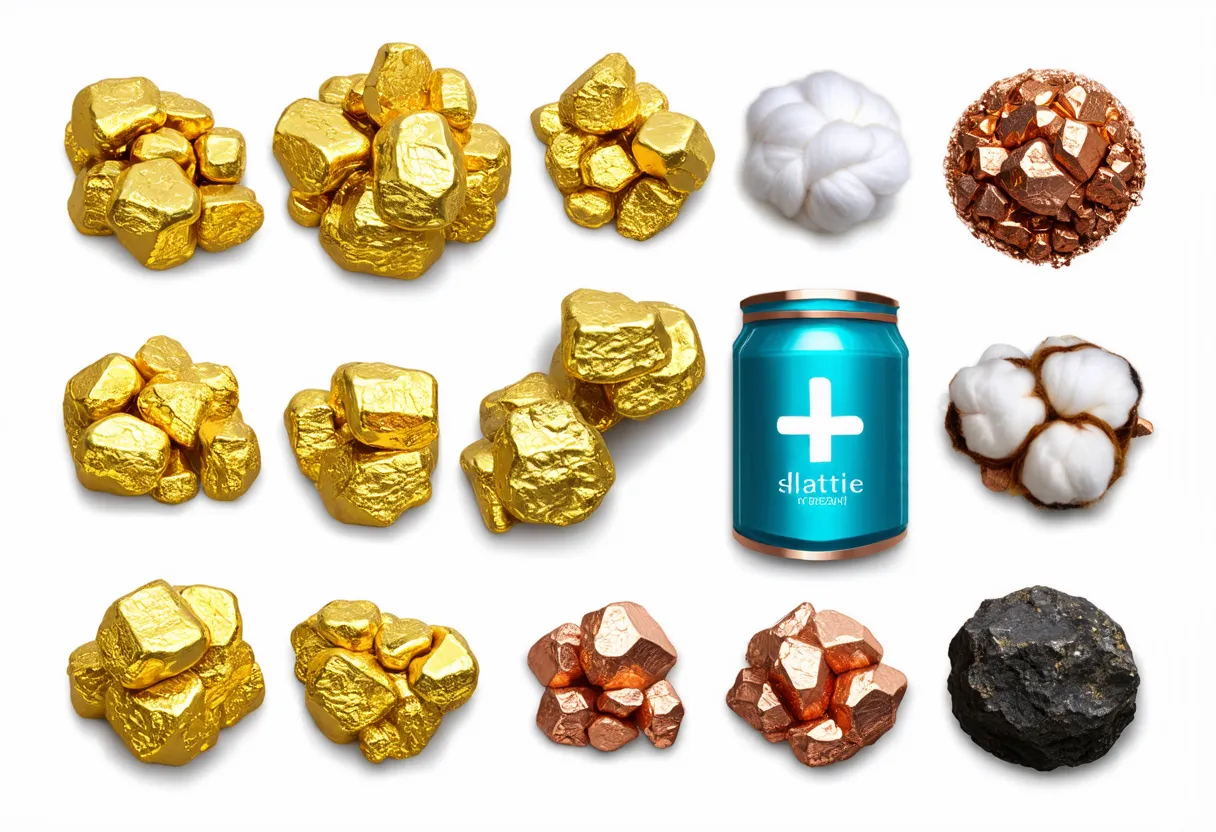 In 2023, Tajikistan’s total exports amounted to $2.41 billion, representing 22.97% of its GDP. This indicates a medium level of importance, highlighting the significant role export activities play in the country’s economy.Tajikistan’s export activities are diversified, with key partners being Kazakhstan, Switzerland, China, Turkey, and Uzbekistan. The country primarily exports gold, precious metal ore, cotton, copper ore, and aluminum.
Tajikistan economy challenges in 2024
In 2024, Tajikistan faces challenges with its limited private sector, illicit drug trade, and environmental fragility. Despite sustained growth and declining poverty, the country’s economy heavily relies on gold, cotton, and aluminum exports, along with significant remittances.Sources
Last updated: August 2026


Leave a Reply