
Key Economic Insights: The economy of Malaysia generates an estimated GDP of $422.23 billion ($11,874 per capita) supporting a population of 35,557,673. Productive output is anchored by 53.6% services, 37.6% industry and manufacturing, and 8.8% agriculture and natural resource extraction. Key merchandise exports include Manufactured goods, mineral resources, and agricultural commodities, directed primarily toward Singapore (14%), China (13%), US (12%), Japan (6%), and Hong Kong (6%).
As of 2024, Malaysia’s GDP is approximately 422.23 billion USD, ranking among the larger economies in Southeast Asia. Malaysia’s GDP per capita is approximately 11,874 USD.
Malaysia’s economy showcases steady growth and resilience, positioning it as a key player in the Southeast Asian region.
Malaysia Economic Structure & Sector Analysis
| Economic Dimension | Official Indicator (2024–2026) | Authoritative Source |
|---|---|---|
| GDP & Macro Output | Nominal GDP: Official World Bank Data | Per Capita: $11,874 | World Bank WDI / IMF |
| Sector Breakdown | Services: 53.6% | Industry: 37.6% | Agriculture: 8.8% | World Bank National Accounts |
| Trade & Commodities | Top Exports: Manufactured goods, mineral resources, and agricultural commodities (Total: Official UN Comtrade) | UN Comtrade / OEC |
| Demographics & Labor | Population: 35,557,673 | Distributed workforce across formal & primary sectors | ILO / UN Population Division |
| Strategic Trade Corridors | Leading Trade Partners: Singapore (14%), China (13%), US (12%), Japan (6%), and Hong Kong (6%) | World Bank WITS / IMF DOTS |
- Primary activities: 8.8% of GDP.
- Secondary activities: 37.6% of GDP.
- Tertiary activities: 53.6% of GDP.

Primary Sector of Malaysia
With 26.08735352% of the land dedicated to agriculture, Malaysia produces a diverse range of agricultural products. The top ten products by tonnage include oil palm fruit, rice, chicken, eggs, coconuts, tropical fruits, vegetables, rubber, bananas, and pineapples.
Despite contributing 8.8% to the GDP, agriculture plays a vital role in the economy by providing employment and sustaining rural livelihoods. The variety of crops and animal products not only showcase the sector’s diversity but also highlight its importance in ensuring food security and supporting the country’s agricultural sector.
The country’s diverse geological landscape contributes to a rich array of natural resources. Tin, petroleum, timber, copper, iron ore, natural gas, and bauxite are key assets driving the economy, with significant impacts on various industries such as manufacturing, energy, and construction.Malaysia’s oil production of 511,104 barrels per day ranks it 17th globally. With 3.6 billion barrels in reserves, it holds 0.22% of the world’s oil.Malaysia’s natural gas production of 74,200 million m³ in 2020 ranks it 12th in the world, fueling economic growth.Secondary Sector of Malaysia
In Malaysia, Peninsular Malaysia focuses on rubber and oil palm processing, petroleum, electronics, and timber processing. Sabah’s main industrial products are logging and petroleum, while Sarawak specializes in processing, petroleum, and logging.Manufactures are crucial to Malaysia’s total exports, accounting for 68.39% in 2023. They drive economic growth, create jobs, and contribute significantly to the country’s trade balance.Tertiary sector of Malaysia

Military Activities and Economic Sectors of Malaysia
In the primary sector, resources are extracted for military use, such as metals and fuels. The secondary sector involves the manufacturing of military equipment, like vehicles and weapons. The tertiary sector includes services provided by the military, such as logistics and training. The quaternary sector focuses on military research and development, while the quinary sector deals with high-level military decision-making and strategy.
As of 2024, Malaysia’s annual military expenditure is approximately 4.38 billion US dollars, which is about 1.0% of the country’s GDP. The active military force consists of 113,000 personnel, resulting in approximately 13.6 active military members for every 1,000 people in the population.
Biggest company in Malaysia
Which is the biggest company in Malaysia? The largest company is Petronas (Petroliam Nasional Berhad), the state-owned oil and gas corporation, which reported revenue of approximately RM320 billion in 2024. It operates in the oil and gas industry, part of the secondary economic sector, and was founded in 1974.International Trade of Malaysia
Import Activities of Malaysia
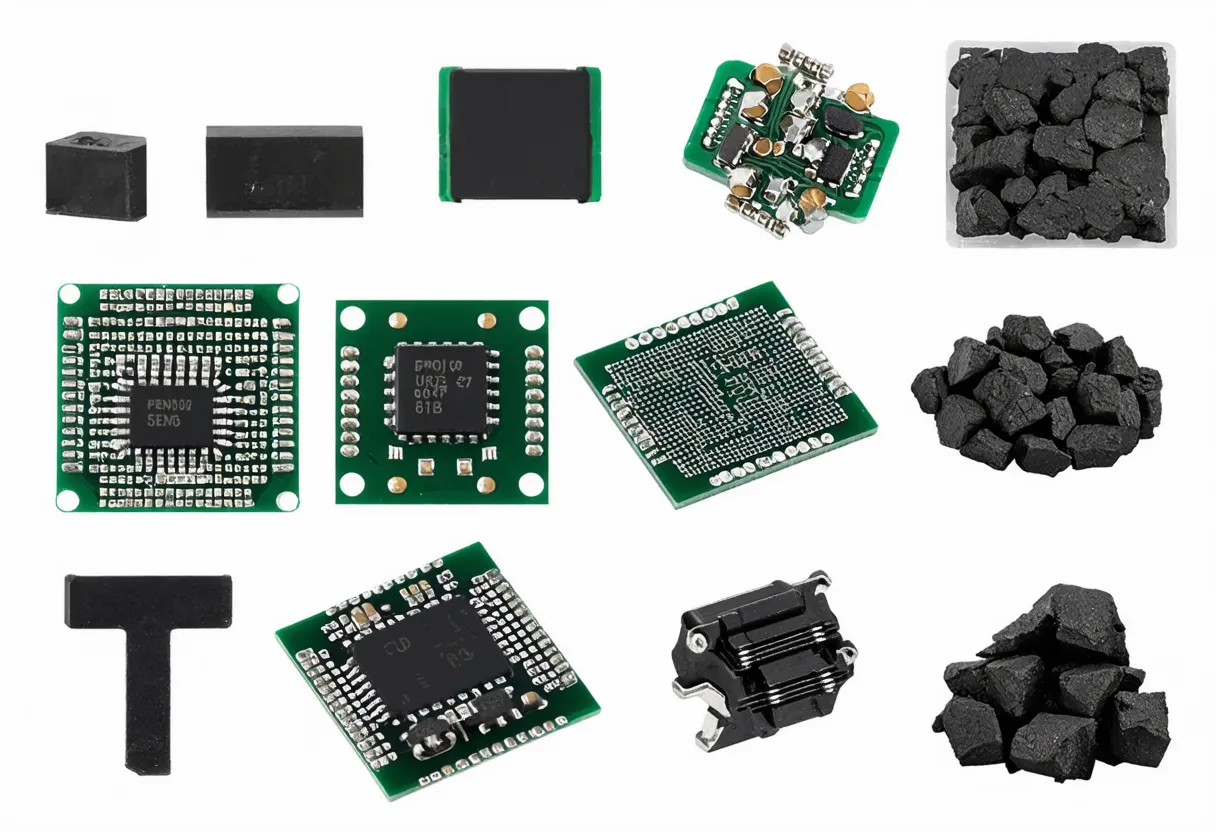 Malaysia’s high import activities, accounting for approximately 63% of GDP (as of 2024), are crucial for meeting domestic demand and driving economic growth.Malaysia’s import activities are diverse, with key partners including China, Singapore, the US, Taiwan, and Japan. The country mainly imports integrated circuits, refined petroleum, crude petroleum, coal, and vehicle parts/accessories.
Exports Activities of Malaysia
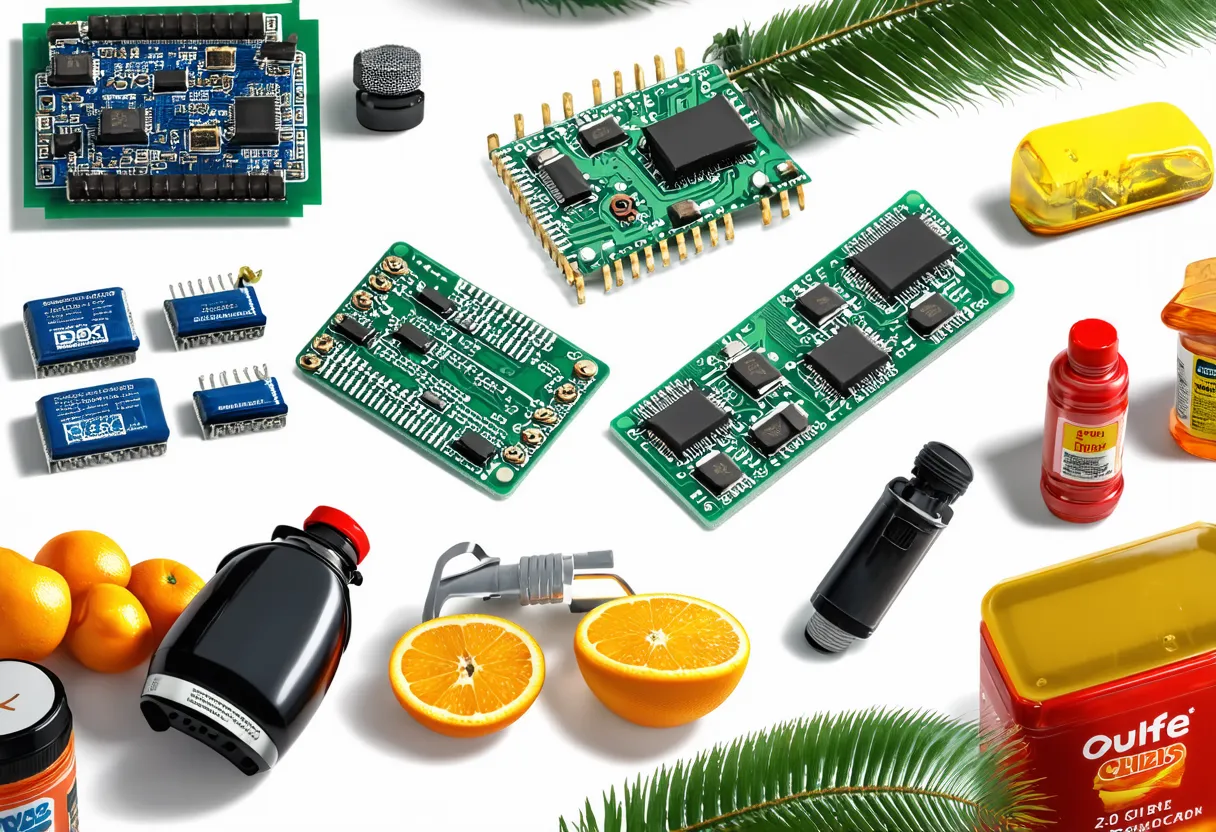 In Malaysia, export activities play a crucial role, accounting for approximately 69% of GDP (as of 2024). This high percentage underscores the significant economic importance of exports in driving the country’s growth and development.Malaysia’s export activities are diverse, with integrated circuits, refined petroleum, natural gas, palm oil, and crude petroleum being the main commodities. The country’s top export partners include Singapore (14%), China (13%), US (12%), Japan (6%), and Hong Kong (6%).
Malaysia economy challenges in 2024
In 2024, Malaysia faces economic challenges despite being an upper middle-income economy. The country grapples with corruption issues despite implementing key policies. As a major exporter of electronics, oil, and chemicals, Malaysia struggles to maintain economic equity and high labor productivity in its trade sector, which employs over 40% of the workforce.Sources
- World Bank: Malaysia
- IMF: Malaysia
- CIA World Factbook: Malaysia
- Trading Economics: Malaysia
- Department of Statistics Malaysia (DOSM)
- SIPRI Military Expenditure Database
Last updated: August 2026



Leave a Reply