
Key Economic Insights: The economy of Nepal generates an estimated GDP of $42.91 billion ($1,447 per capita) supporting a population of 30,547,580. Productive output is anchored by 55.2% services, 11.4% industry and manufacturing, and 21.9% agriculture and natural resource extraction. Key merchandise exports include palm oil, soybean oil, garments, synthetic fibers, and knotted carpets, directed primarily toward Global and regional trade partners.
As of 2024, Nepal’s economy had a GDP of approximately $42.91 billion, ranking around 100th globally. In terms of GDP per capita, Nepal stood at approximately $1,447, among the lower ranks worldwide. (World Bank, 2024)
Despite facing challenges, Nepal’s economy shows potential for growth and development in various sectors, positioning the country for future prosperity.
Nepal Economic Structure & Sector Analysis
| Economic Dimension | Official Indicator (2024–2026) | Authoritative Source |
|---|---|---|
| GDP & Macro Output | Nominal GDP: $42.91 billion | Per Capita: $1,447 | World Bank WDI / IMF |
| Sector Breakdown | Services: 55.2% | Industry: 11.4% | Agriculture: 21.9% | World Bank National Accounts |
| Trade & Commodities | Top Exports: palm oil, soybean oil, garments, synthetic fibers, and knotted carpets (Total: $3.7 billion) | UN Comtrade / OEC |
| Demographics & Labor | Population: 30,547,580 | Distributed workforce across formal & primary sectors | ILO / UN Population Division |
| Strategic Trade Corridors | Leading Trade Partners: Global and regional trade partners | World Bank WITS / IMF DOTS |
- Primary activities: approximately 21.9% of GDP (As of 2024).
- Secondary activities: approximately 11.4% of GDP (As of 2024).
- Tertiary activities: approximately 55.2% of GDP (As of 2024).

Primary Sector of Nepal
Approximately 28.75% of the country’s land is dedicated to agriculture, with top products like rice, vegetables, potatoes, and sugarcane. Despite contributing approximately 21.9% to the GDP (As of 2024), agriculture remains vital to the economy. (World Bank)
The sector’s variety includes maize, wheat, bison milk, milk, mangoes, and guavas, showcasing its importance and sustainability.
Nepal’s diverse geology contributes to a rich array of natural resources. The primary sector thrives on quartz, water, timber, and hydropower. Scenic beauty enhances tourism, while small deposits of lignite, copper, cobalt, and iron ore support the economy.Secondary Sector of Nepal
The secondary sector involves industries that create finished products from raw materials for consumption. In Nepal, main industrial products include carpets, textiles, rice mills, jute mills, sugar mills, oilseed mills, cigarettes, cement, and brick production. These products are manufactured for domestic consumption and export.Manufactures make up 47.52% of Nepal’s total exports in 2023, indicating their significant role in the economy, driving growth and creating jobs.Tertiary sector of Nepal
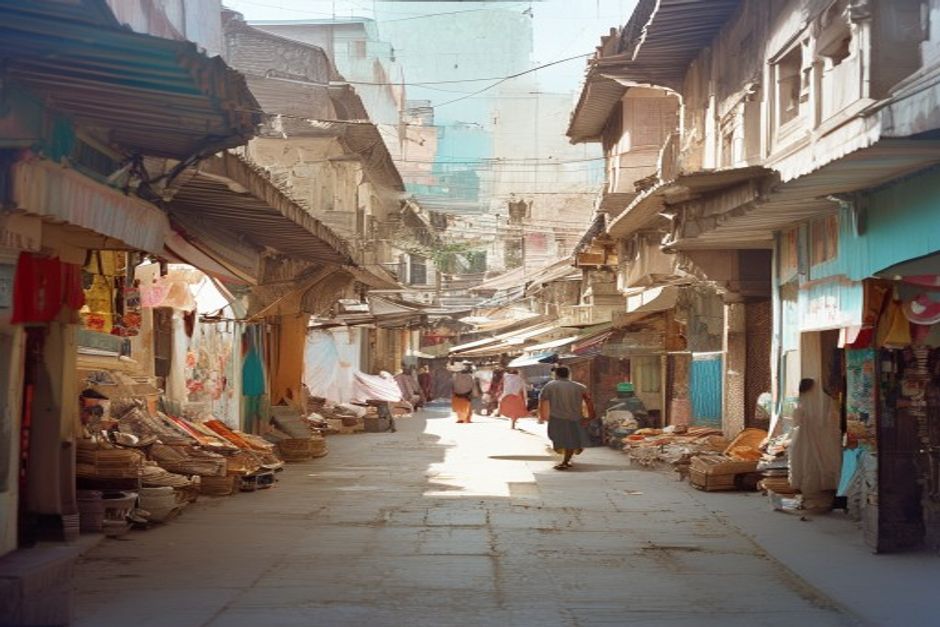
Military Activities and Economic Sectors of Nepal
In the primary sector, resources are extracted for military use, like metals for weapons. The secondary sector involves manufacturing military equipment, such as vehicles and weapons. The tertiary sector includes services provided by the military, like training and logistics.
In Nepal, the most recent annual military expenditure is approximately 426.5 million US dollars (As of 2024), which is roughly 1.0% of the country’s GDP. The active military force has around 96,600 personnel, giving a ratio of about 3.2 active military members per 1,000 people in the population. (World Bank, 2024)
Biggest company in Nepal
Which is the biggest company in Nepal? Among Nepal’s largest domestic companies is Nepal Telecom (Nepal Doorsanchar Company Limited), one of the most valuable listed companies on the Nepal Stock Exchange, with a market capitalization of over NPR 150 billion (As of 2026). It operates in the telecommunications industry, providing mobile, internet, and fixed-line services, and is majority state-owned. (Investopaper, 2026)International Trade of Nepal
Import Activities of Nepal
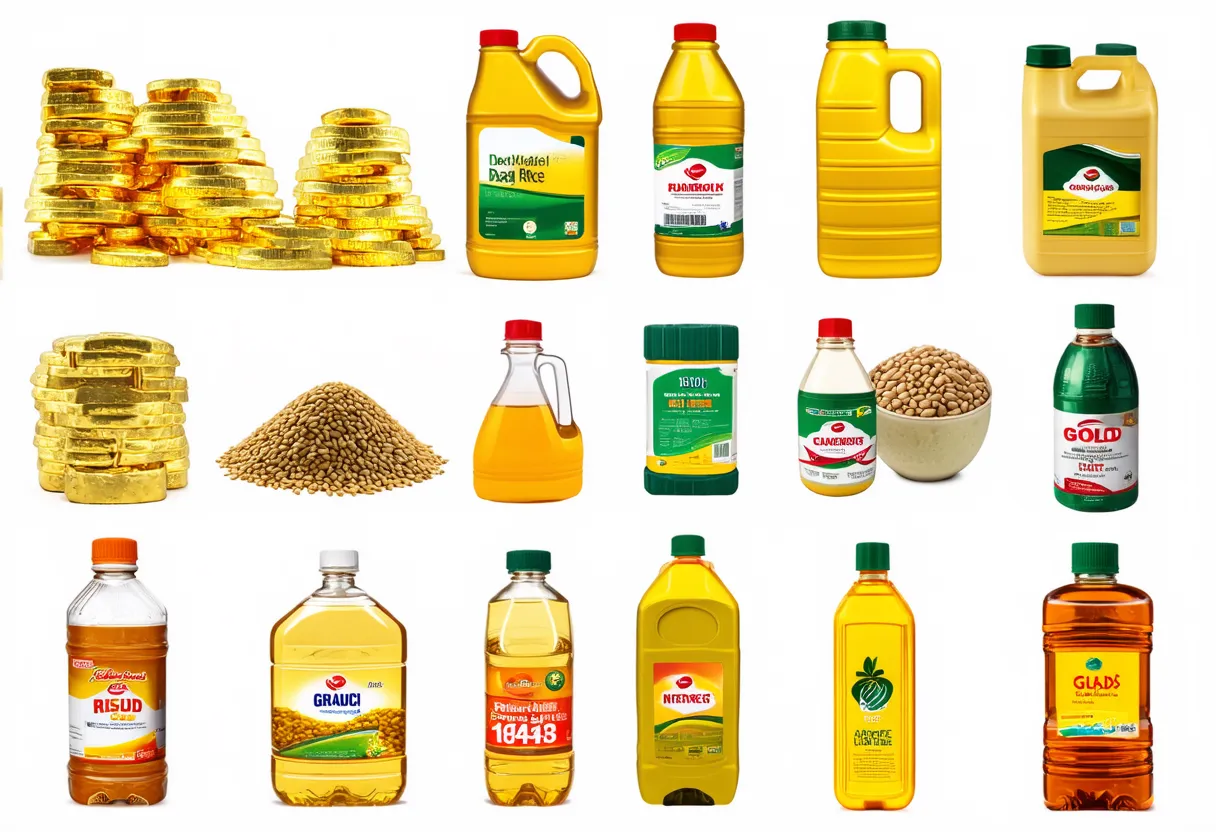 Nepal’s high import activities, accounting for 42.64% of GDP, play a crucial role in meeting domestic demand and supporting economic growth.Nepal’s major import activities include sourcing refined petroleum, natural gas, gold, rice, and soybean oil. The country primarily imports from India (64%), followed by China (13%), UAE (3%), Indonesia (2%), and the US (2%).
Exports Activities of Nepal
 Nepal’s total exports in the 2024-25 fiscal year amounted to approximately $3.7 billion, representing roughly 8% of its GDP. (As of 2024-25) With export activities contributing less than 15% to the economy, their importance is relatively low, indicating potential for growth and economic diversification.Nepal primarily exports palm oil, soybean oil, garments, synthetic fibers, and knotted carpets. Its main export partners are India (67%), US (11%), Germany (3%), Turkey (2%), and UK (2%).
Nepal economy challenges in 2024
Nepal, a low-income South Asian economy, faces challenges in 2024. Post-conflict fiscal federalism brings stability, but COVID-19 impacts trade and tourism. Current account deficits widen, and the environmentally fragile economy struggles post-earthquakes. Growing Chinese relations and investments add complexity.Sources
Last updated: August 2026




Leave a Reply