
Key Economic Insights: The economy of Monaco generates an estimated GDP of $11.13 billion ($288,001 per capita) supporting a population of 38,631. Its main export partners include Italy, Switzerland, Germany, Belgium, and Spain, facilitating a strong trade network in the European market.
Monaco, a small but affluent country, boasts a robust economy with a GDP of approximately $11.13 billion as of 2024 (World Bank), up from about $8.78 billion in 2022. In terms of GDP per capita, Monaco leads the world with roughly $288,001 as of 2024 (World Bank), holding the top spot.
It is followed by Liechtenstein, with a GDP per capita of $180,227, ranking just behind Monaco. The country’s economic stability and high GDP per capita reflect its strong financial sector and thriving tourism industry.
Monaco Economic Structure & Sector Analysis
| Economic Dimension | Figure | Authoritative Source |
|---|---|---|
| GDP & Macro Output | Nominal GDP: $11.13 billion | Per Capita: $288,001 | World Bank WDI / IMF |
| Demographics & Labor | Population: 38,631 | ILO / UN Population Division |
| Strategic Trade Corridors | Leading Trade Partners: Italy, Switzerland, Germany, Belgium, and Spain, facilitating a strong trade network in the European market | World Bank WITS / IMF DOTS |
- Primary activities: 0% of GDP.
- Secondary activities: about 12% of GDP (as of 2023).
- Tertiary activities: about 88% of GDP (as of 2023).

Primary Sector of Monaco
Monaco’s primary sector, particularly agriculture, is limited due to its small size and urbanization. With only 10% of its land suitable for agriculture, the country focuses on niche products like flowers, vegetables, and fruits. Despite agriculture contributing 0% to the GDP, these products hold cultural and environmental significance.
Livestock farming is also practiced, producing dairy products and poultry. The sector, while small, plays a crucial role in preserving Monaco’s traditions and biodiversity.
Due to its small size and lack of geological diversity, Monaco has no significant natural resources. This scarcity has driven the country to focus on other sectors such as tourism, finance, and real estate to support its economy.Secondary Sector of Monaco
In Monaco, the main industrial products include insurance services, construction materials, small-scale industrial goods, and consumer products.In 2023, Monaco’s total exports are dominated by services, with manufactures playing a minimal role. This reflects the country’s focus on high-end services and luxury goods.Tertiary sector of Monaco
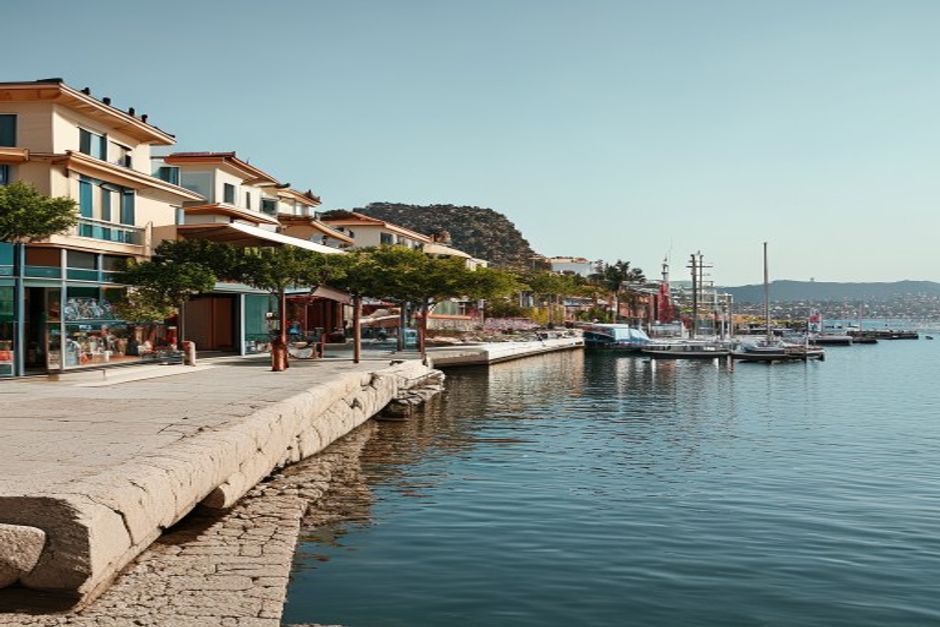
International Trade of Monaco
Import Activities of Monaco
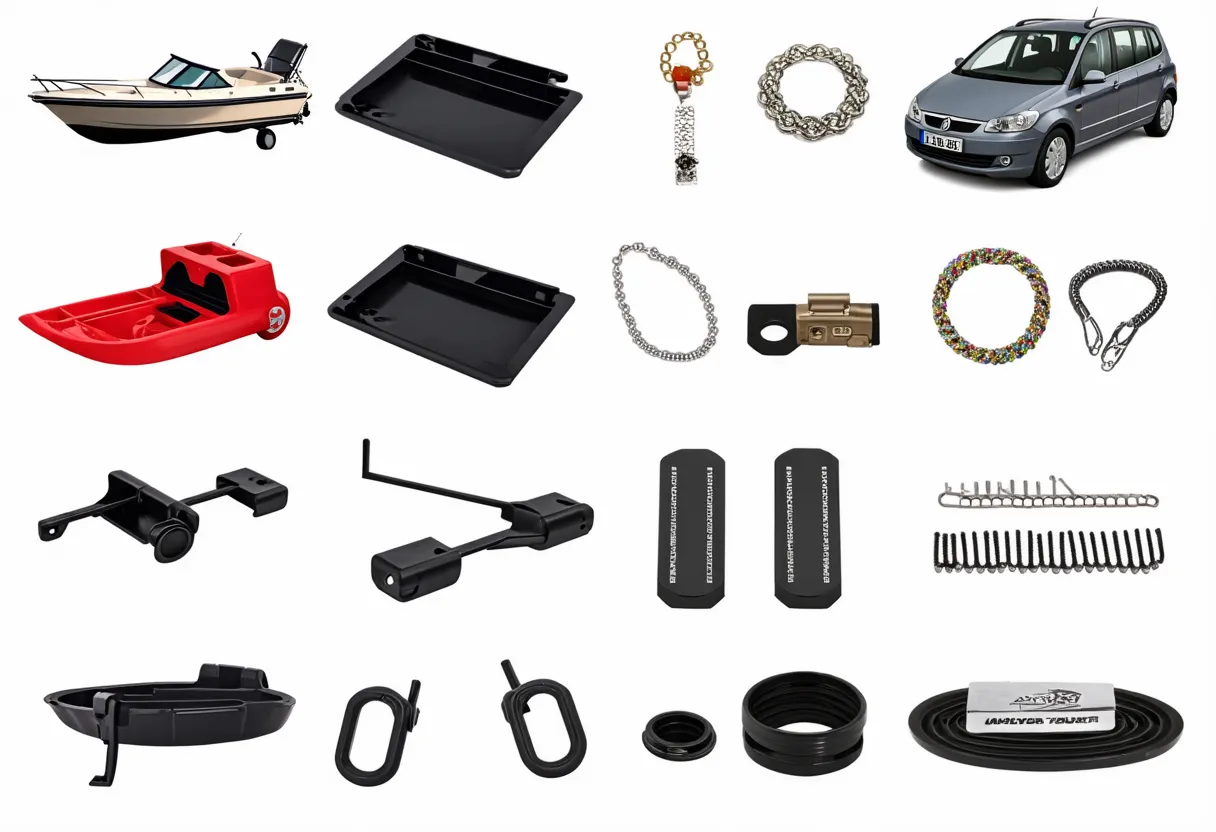 Monaco’s import activities are of high importance, with total imports of about €631 million as of 2023, equivalent to roughly 7% of its GDP.Monaco’s key imports in 2021 included jewelry, cars, recreational boats, plastic products, and artwork. The country’s main import partners were Italy, Switzerland, the United Kingdom, Germany, and China, indicating a diverse range of trading relationships. These imports reflect Monaco’s affluent lifestyle and strong ties to the luxury goods market.
Exports Activities of Monaco
.webp) Monaco’s total exports were about €365 million as of 2023, contributing roughly 4% to its GDP; export activities play a relatively low but still significant role in the country’s economy.Monaco’s export activities in 2021 primarily involve luxury goods such as jewelry, perfumes, watches, and cars. Its main export partners are Italy, Switzerland, Germany, Belgium, and Spain, facilitating a strong trade network in the European market.
Monaco’s total exports were about €365 million as of 2023, contributing roughly 4% to its GDP; export activities play a relatively low but still significant role in the country’s economy.Monaco’s export activities in 2021 primarily involve luxury goods such as jewelry, perfumes, watches, and cars. Its main export partners are Italy, Switzerland, Germany, Belgium, and Spain, facilitating a strong trade network in the European market.Monaco economy challenges in 2024
In 2024, Monaco faces economic challenges post-COVID-19. High real estate prices hinder affordability, impacting residents and businesses. The reliance on tourism and banking poses risks, requiring diversification. Maintaining its tax haven status while addressing global tax reforms presents a delicate balance. Strengthening resilience and sustainability in the face of uncertainties remains a priority.Sources
- World Bank: Monaco
- IMF: Monaco
- CIA World Factbook: Monaco
- IMSEE – Monaco Statistics
- Groupe S.B.M. (Société des Bains de Mer)
Last updated: August 2026


Leave a Reply