
Key Economic Insights: The economy of Armenia generates an estimated GDP of $25.96 billion ($8,556 per capita) supporting a population of 3,033,500. Productive output is anchored by 61.5% services, 23.2% industry and manufacturing, and 7.9% agriculture and natural resource extraction. Key merchandise exports include Manufactured goods, mineral resources, and agricultural commodities, directed primarily toward Russia (23%), UAE (19%), China (10%), Georgia (5%), and Iran (5%).
As of 2024, Armenia’s GDP stands at $25.96 billion (current USD), up from earlier estimates as the economy benefited from post-2022 migration inflows and strong services growth. In terms of GDP per capita, Armenia reached $8,556.2 in 2024, according to the World Bank. Armenia’s economic position reflects steady growth and development, with potential for further advancement in key sectors to enhance its global standing and economic stability.
Armenia Economic Structure & Sector Analysis
| Economic Dimension | Official Indicator (2024–2026) | Authoritative Source |
|---|---|---|
| GDP & Macro Output | Nominal GDP: $25.96 billion | Per Capita: $8,556 | World Bank WDI / IMF |
| Sector Breakdown | Services: 61.5% | Industry: 23.2% | Agriculture: 7.9% | World Bank National Accounts |
| Trade & Commodities | Top Exports: Manufactured goods, mineral resources, and agricultural commodities (Total: $1.33 billion) | UN Comtrade / OEC |
| Demographics & Labor | Population: 3,033,500 | Distributed workforce across formal & primary sectors | ILO / UN Population Division |
| Strategic Trade Corridors | Leading Trade Partners: Russia (23%), UAE (19%), China (10%), Georgia (5%), and Iran (5%) | World Bank WITS / IMF DOTS |
- Primary activities (agriculture): 7.9% of GDP (2024).
- Secondary activities (industry): 23.2% of GDP (2024).
- Tertiary activities (services): 61.5% of GDP (2024).

Primary Sector of Armenia
Armenia’s primary sector, with a vast agricultural focus, thrives due to its diverse climate and abundant natural resources. With 58.83% of the land dedicated to agriculture, the country produces a variety of crops and animal products, including milk, potatoes, grapes, tomatoes, vegetables, wheat, watermelons, apricots, apples, and barley.
Despite agriculture contributing approximately 7.9% to GDP as of 2024 (down from around 16.7% reported in earlier estimates), its significance lies in the wide array of agricultural products, showcasing the sector’s importance in providing food security and sustaining livelihoods.
Armenia’s diverse geology results in limited but valuable natural resources, including small deposits of gold, copper, molybdenum, zinc, and bauxite. These resources play a crucial role in the country’s economy, contributing to industries such as mining and metal production.Secondary Sector of Armenia
In Armenia, the main industrial products include brandy, diamond processing, metal-cutting machine tools, forging machines, electric motors, knitted wear, hosiery, shoes, silk fabric, chemicals, trucks, instruments, microelectronics, jewelry, software, and food processing.Manufactures make up 48.17% of Armenia’s total exports in 2023. While significant, other sectors play a crucial role in diversifying the economy and reducing reliance on one industry.Tertiary sector of Armenia

Military Activities and Economic Sectors of Armenia
In the primary sector, resources are extracted for military use, like metals for weapons. The secondary sector includes the manufacturing of military equipment, such as vehicles and weapons. The tertiary sector covers services provided by the military, while the quaternary sector focuses on research and development.
In Armenia, the military had an annual expenditure of approximately $1.33 billion in 2023, which is around 5.45% of the country’s GDP, according to World Bank/SIPRI data. The active military force consists of approximately 44,800 personnel, resulting in about 14.8 active military members per 1,000 people.
International Trade of Armenia
Import Activities of Armenia
 Armenia’s import activities are of high importance, constituting approximately 60% of its GDP in 2023, totaling around $14.51 billion, according to World Bank data.Armenia’s key import partners include Russia (23%), UAE (19%), China (10%), Georgia (5%), and Iran (5%). The country imports postage stamps/documents, cars, broadcasting equipment, refined petroleum, and natural gas.
Exports Activities of Armenia
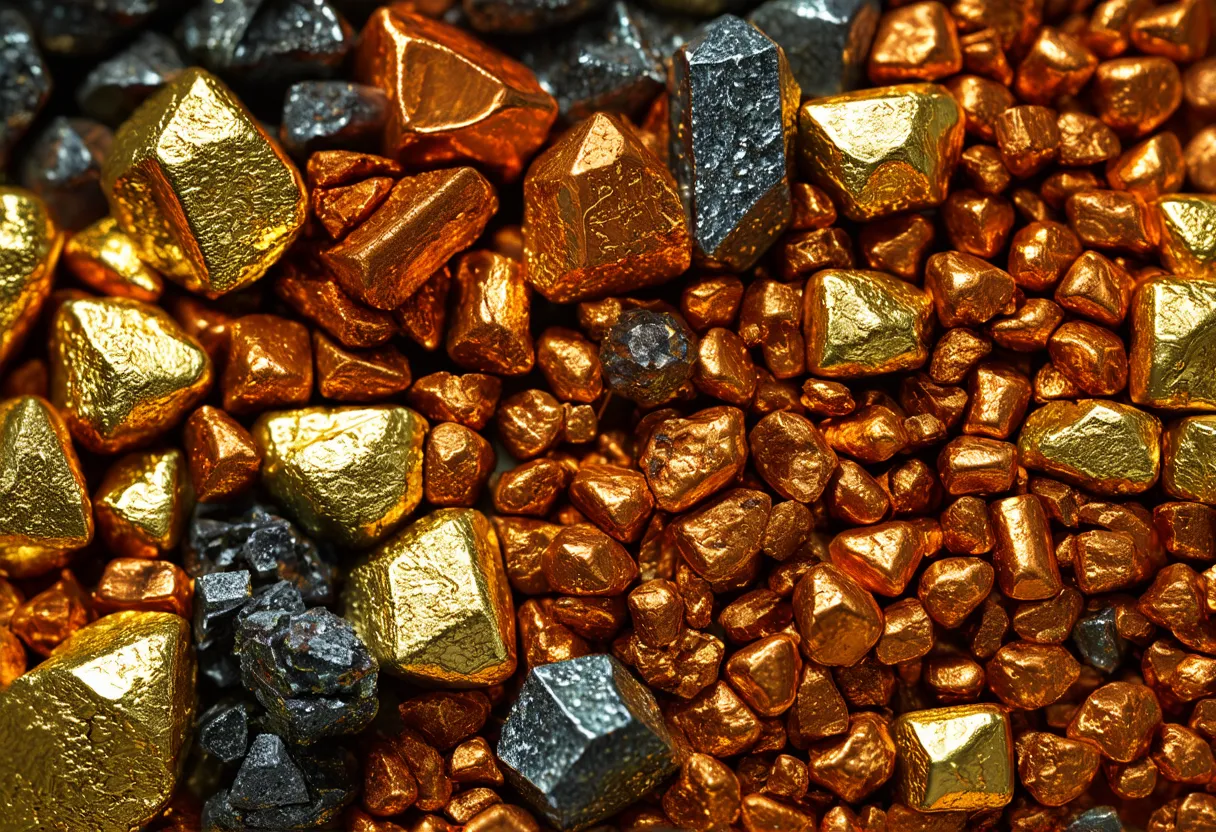 Armenia’s export activities are of high importance, accounting for approximately 59.45% of its GDP in 2023. Total exports reached around $14.32 billion in 2023, according to World Bank data, highlighting the country’s strong reliance on international trade for economic growth.Armenia’s export activities are diverse, with key partners like Russia, UAE, China, Georgia, and Switzerland. The country mainly exports copper ore, gold, diamonds, tobacco, and iron alloys.
Armenia economy challenges in 2024
Armenia, an EEU and CIS member, seeks more EU and US trade. It has a business-friendly environment but faces challenges with a vulnerable demand economy. As a key copper and gold exporter, persistent unemployment and reliance on diaspora remittances are pressing issues in 2024.Sources
- World Bank: Armenia Country Data
- IMF: Armenia
- CIA World Factbook: Armenia
- UN Comtrade Plus: Trade Flow
- SIPRI Military Expenditure Database
Last updated: August 2026



Leave a Reply