
Key Economic Insights: The economy of Lithuania generates an estimated GDP of $95.21 billion ($32,959 per capita) supporting a population of 2,888,774. Productive output is anchored by 64.8% services, 22.1% industry and manufacturing, and 2.3% agriculture and natural resource extraction.
As of 2025, Lithuania’s GDP stands at approximately $95.21 billion, ranking around 80th globally. In terms of GDP per capita, Lithuania reaches roughly $32,959 (as of 2025). World Bank
Despite its ranking, Lithuania’s economy shows stability and growth potential, positioning it as a key player in the global market.
Lithuania Economic Structure & Sector Analysis
| Economic Dimension | Figure | Authoritative Source |
|---|---|---|
| GDP & Macro Output | Nominal GDP: $95.21 billion | Per Capita: $32,959 | World Bank WDI / IMF |
| Sector Breakdown | Services: 64.8% | Industry: 22.1% | Agriculture: 2.3% | World Bank National Accounts |
| Demographics & Labor | Population: 2,888,774 | ILO / UN Population Division |
- Primary activities: 2.3% of GDP.
- Secondary activities: 22.1% of GDP.
- Tertiary activities: 64.8% of GDP.

Primary Sector of Lithuania
With 46.92% of the country’s land dedicated to agriculture, Lithuania produces a diverse range of crops and animal products. The main agricultural products include wheat, milk, rapeseed, sugar beets, barley, potatoes, beans, triticale, oats, and peas.
Despite contributing 2.3% to the GDP, agriculture plays a crucial role in the economy by providing a variety of essential products and supporting rural livelihoods. The sector’s significance lies in the variety of crops and animal products it produces, showcasing the country’s agricultural prowess and self-sufficiency.
With a diverse geological landscape, Lithuania boasts abundant natural resources such as peat, arable land, and amber. These resources drive the economy through agriculture, energy production, and jewelry manufacturing, contributing significantly to the country’s GDP.Lithuania’s oil production of around 700 barrels per day ranks it 71st globally. With reserves of 12 million barrels, it holds 0% of world reserves.Secondary Sector of Lithuania
In Lithuania, main industrial products include metal-cutting machine tools, electric motors, televisions, refrigerators, shipbuilding, furniture, textiles, food processing, electronic components, computers, amber jewelry, and biotechnology products.Manufactures play a crucial role in Lithuania’s total exports, accounting for 60.92% in 2023. This highlights the significance of the manufacturing sector in driving the country’s economy and trade relations.Tertiary sector of Lithuania

Military Activities and Economic Sectors of Lithuania
It involves the primary sector through resource extraction for military use, like minerals for weapons. The secondary sector includes the manufacturing of military equipment, such as vehicles and weapons. The tertiary sector covers services provided by the military, like training and logistics. The quaternary sector focuses on military research and development, while the quinary sector involves high-level decision-making and strategy.
In Lithuania, military expenditure was about 3.12% of GDP as of 2024 (roughly $2.65 billion). CIA World Factbook, archived Defence spending is set to rise toward 5–6% of GDP over 2026–2030. The active military force numbers around 19,850 personnel.
Biggest company in Lithuania
Which is the biggest company in Lithuania? The largest is AB Ignitis grupė, the country’s leading energy group, with revenue of about €2.3 billion in 2024 (as of 2024). Ignitis The state-owned, Vilnius-headquartered company produces and supplies electricity, heat, and natural gas and is the largest energy group in the Baltics.International Trade of Lithuania
Import Activities of Lithuania
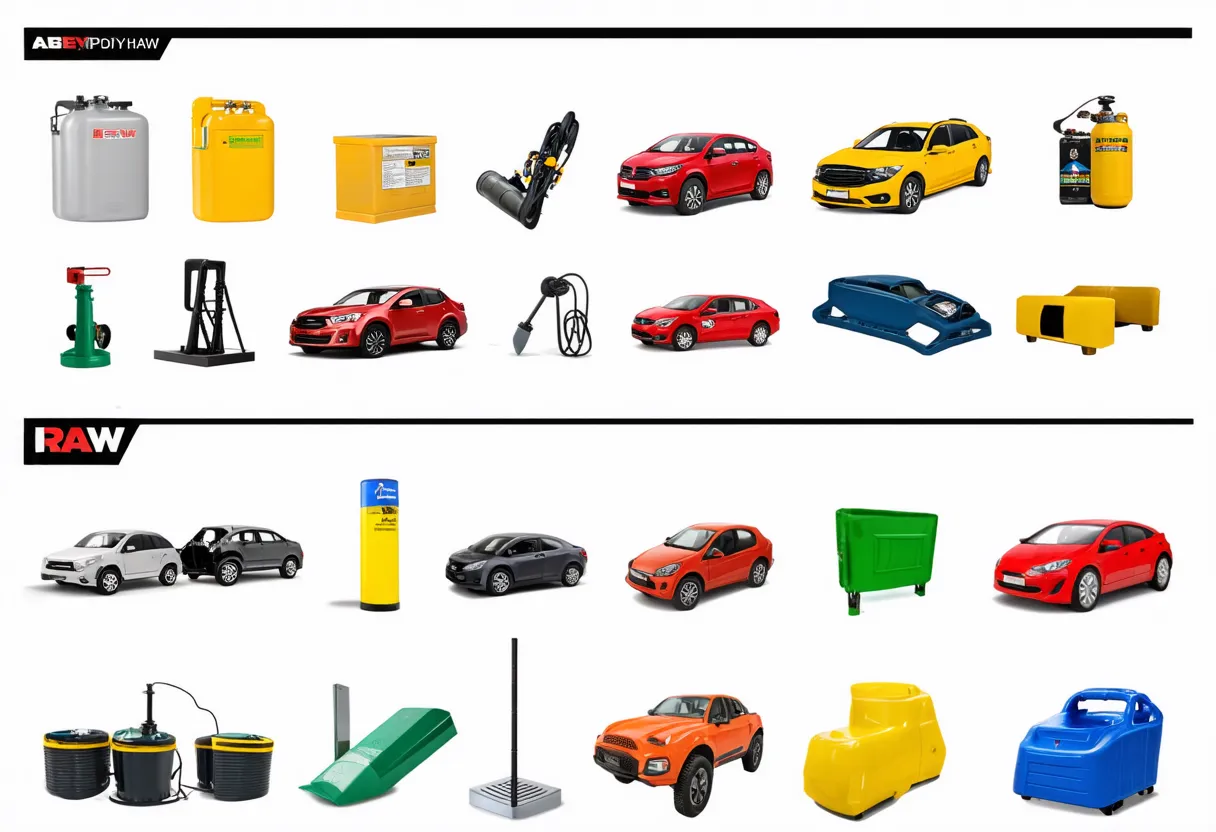 Lithuania’s import activities are highly important. As of 2024, imports totalled about €41.3 billion, equivalent to roughly half of GDP. Trading EconomicsLithuania’s key import activities include crude petroleum, natural gas, electricity, cars, and plastic products. Major import partners (2024) are Poland (14%), Germany (12.4%), and Latvia (8.1%).
Exports Activities of Lithuania
 As of 2024, Lithuania’s total exports amounted to about €36.8 billion, equivalent to roughly 45% of GDP, underscoring the importance of export activities to the country’s economy. Trading EconomicsLithuania’s export activities focus on refined petroleum, furniture, plastic products, natural gas, and wheat. Key export partners (2024) include Latvia (11.9%), Poland (9.9%), and Germany (8.7%).
Lithuania economy challenges in 2024
Lithuania, a high-income EU and eurozone member, faces challenges in 2024 due to the impact of the Ukraine war on energy, exports, and defense spending. Despite rebounding with EU fund-driven investments, structural issues like pension reform, labor market inefficiencies, and healthcare remain.Sources
Last updated: October 2026


Leave a Reply