
Key Economic Insights: The economy of Moldova generates an estimated GDP of $18.1 billion ($7,618 per capita) supporting a population of 2,381,300. Productive output is anchored by 58.4% services, 19.4% industry and manufacturing, and 8.3% agriculture and natural resource extraction. Key merchandise exports include refined petroleum, insulated wire, garments, seed oils, and corn, directed primarily toward Global and regional trade partners.
As of 2024, Moldova has a GDP of approximately $18.1 billion (current US dollars). In terms of GDP per capita, Moldova stands at about $7,618 (2024).
Moldova’s economy demonstrates resilience and potential for growth, with a focus on enhancing its economic indicators to further strengthen its position on the global stage.
Moldova Economic Structure & Sector Analysis
| Economic Dimension | Official Indicator (2024–2026) | Authoritative Source |
|---|---|---|
| GDP & Macro Output | Nominal GDP: $18.1 billion | Per Capita: $7,618 | World Bank WDI / IMF |
| Sector Breakdown | Services: 58.4% | Industry: 19.4% | Agriculture: 8.3% | World Bank National Accounts |
| Trade & Commodities | Top Exports: refined petroleum, insulated wire, garments, seed oils, and corn (Total: $9.07 billion) | UN Comtrade / OEC |
| Demographics & Labor | Population: 2,381,300 | Distributed workforce across formal & primary sectors | ILO / UN Population Division |
| Strategic Trade Corridors | Leading Trade Partners: Global and regional trade partners | World Bank WITS / IMF DOTS |
- Primary activities (agriculture): 8.3% of GDP (As of 2022).
- Secondary activities (industry): 19.4% of GDP (As of 2022).
- Tertiary activities (services): 58.4% of GDP (As of 2022).
Primary Sector of Moldova
With 69% of the land dedicated to agriculture, the country produces a variety of crops and animal products, including wheat, maize, sunflower seeds, grapes, sugar beets, apples, milk, potatoes, barley, and plums.
Despite contributing about 8.3% to the GDP (As of 2022), agriculture plays a crucial role in the economy and remains a major employer. The diversity of agricultural products highlights the sector’s significance, showcasing the country’s self-sufficiency and export potential.
The country’s diverse geology provides a rich array of natural resources. These include lignite, phosphorites, gypsum, limestone, and vast arable land. These resources play a crucial role in driving the economy through agriculture, mining, and manufacturing sectors.Secondary Sector of Moldova
In Moldova, main industrial products include sugar processing, vegetable oil, food processing, agricultural machinery, foundry equipment, refrigerators, freezers, washing machines, hosiery, shoes, and textiles.Manufactures in Moldova’s total exports are significant at 38.45% in 2023, indicating a diverse economy with potential for growth in other sectors.Tertiary sector of Moldova
Military Activities and Economic Sectors of Moldova
In the primary sector, resources are extracted for military use, like metals for weapons. The secondary sector includes the manufacturing of military equipment, such as vehicles and weapons. The tertiary sector provides services, like training and support. The quaternary sector focuses on research and development for better technology, while the quinary sector involves high-level decision-making and strategy.
In Moldova, the military expenditure in 2023 is 93.4 million US dollars, which is 0.315% of the country’s GDP. The active military force has 1,936 personnel, giving a ratio of 18.6 active military members per 1,000 people in the population.
International Trade of Moldova
Import Activities of Moldova
 Moldova’s high import activities, with imports of about $9.07 billion in 2024 (roughly half of GDP), highlight its reliance on foreign goods and the significance of global trade for its economy.Moldova’s key import activities include refined petroleum, natural gas, cars, plastic products, and insulated wire. The country’s main import partners are Romania (around 18%), followed by China, Ukraine, Germany, and Turkey (As of 2024).
Exports Activities of Moldova
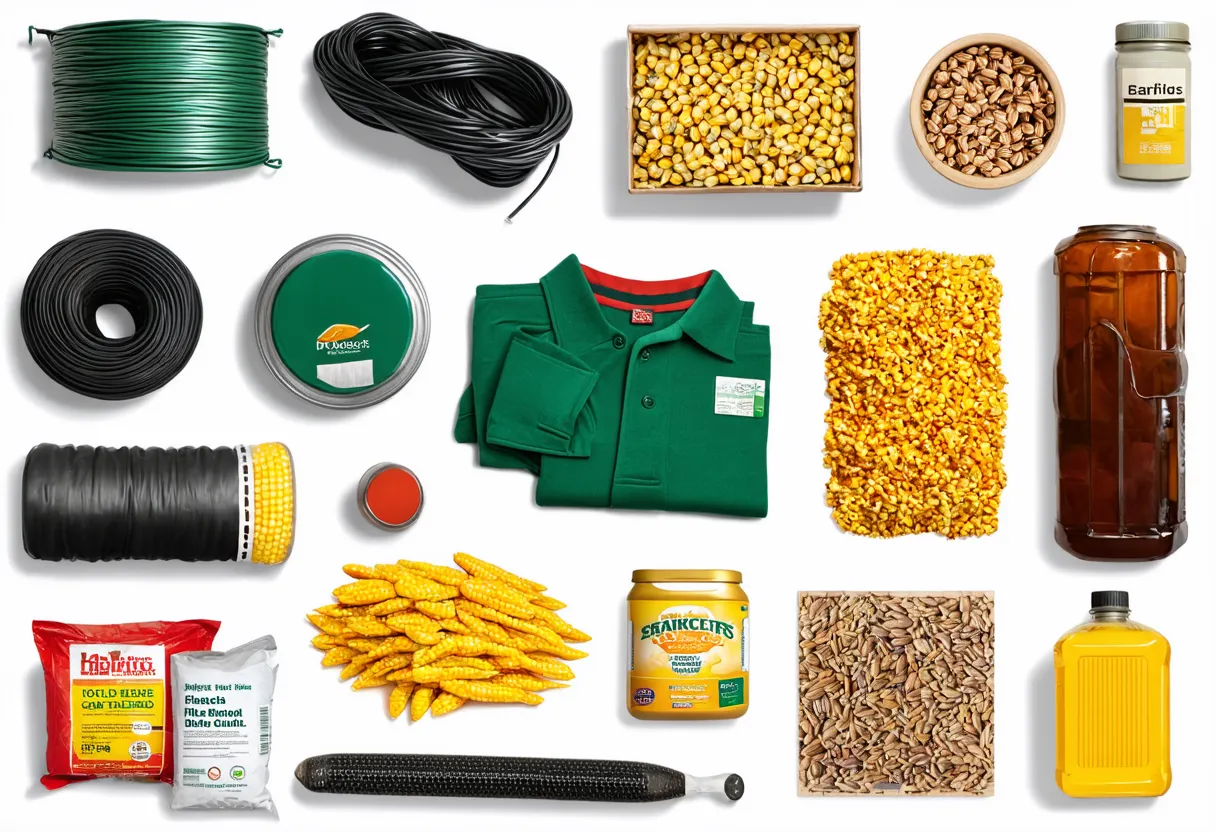 In 2024, Moldova’s total exports reached approximately $3.56 billion. With export activities contributing significantly to the economy, they play a crucial role in driving growth and sustaining development.Moldova primarily exports refined petroleum, insulated wire, garments, seed oils, and corn. Its top export partners are Romania (around 33%), Ukraine, Italy, the Czech Republic, and Turkey (As of 2024).
Moldova economy challenges in 2024
Moldova faces structural economic challenges. Remittances from Moldovans working abroad remain a significant source of income, equivalent to roughly 10.5% of GDP (As of 2024), though their relative weight has declined from earlier peaks. The country also contends with a shrinking workforce driven by emigration and low fertility rates, alongside its dependence on imported energy.Sources
- World Bank: Moldova
- CIA World Factbook: Moldova
- IMF: Republic of Moldova
- National Bureau of Statistics of Moldova
- Trading Economics: Moldova
Last updated: August 2026


Leave a Reply