
Key Economic Insights: The economy of Denmark generates an estimated GDP of $424.5 billion ($71,027 per capita) supporting a population of 5.9 million. Productive output is anchored by 75.8% services, 22.9% industry and manufacturing, and 1.3% agriculture and natural resource extraction. Key merchandise exports include Manufactured goods, mineral resources, and agricultural commodities, directed primarily toward Global and regional trade partners.
Denmark, with a GDP of approximately $424.5 billion in 2024 (World Bank), holds a high rank globally. In terms of GDP per capita, Denmark is among the world’s wealthiest nations at roughly $71,027 in 2024.
Denmark’s economy is characterized by a strong welfare state, high standard of living, and a well-developed mixed-market economy. The country has a diverse economy with key sectors including manufacturing, pharmaceuticals, renewable energy, and agriculture.
Denmark Economic Structure & Sector Analysis
| Economic Dimension | Official Indicator (2024–2026) | Authoritative Source |
|---|---|---|
| GDP & Macro Output | Nominal GDP: $424.5 billion | Per Capita: $71,027 | World Bank WDI / IMF |
| Sector Breakdown | Services: 75.8% | Industry: 22.9% | Agriculture: 1.3% | World Bank National Accounts |
| Trade & Commodities | Top Exports: Manufactured goods, mineral resources, and agricultural commodities (Total: $8,144.9 million) | UN Comtrade / OEC |
| Demographics & Labor | Population: Official Census Tracked | Distributed workforce across formal & primary sectors | ILO / UN Population Division |
| Strategic Trade Corridors | Leading Trade Partners: Global and regional trade partners | World Bank WITS / IMF DOTS |
- Primary activities: 1.3% of GDP.
- Secondary activities: 22.9% of GDP.
- Tertiary activities: 75.8% of GDP.

Primary Sector of Denmark
Denmark’s primary sector, mainly agriculture, thrives due to its temperate climate and fertile soil. With 65.45% of the land dedicated to agriculture, the country produces a variety of crops and animal products. The main agricultural products include milk, wheat, barley, potatoes, sugar beets, pork, rapeseed, rye, oats, and chicken.
Despite contributing only 1.3% to the GDP, agriculture plays a vital role in the economy. The diverse range of products highlights the sector’s importance, providing food security and supporting the country’s agricultural industry.
Denmark’s diverse geology provides abundant natural resources. These include petroleum, natural gas, fish, arable land, salt, limestone, chalk, stone, gravel, and sand. These resources play a significant role in the country’s economy, particularly in sectors such as energy, agriculture, and construction.Denmark’s oil production of approximately 64,124 barrels per day ranks 34th globally. With 551 million barrels in reserves, the country holds 0.03% of the world’s oil reserves, contributing significantly to its economic activity.Denmark’s gas production of 4,618 million m³ in 2020 ranks it 52nd in the world for natural gas production.Secondary Sector of Denmark
In Denmark, main industrial products include wind turbines, pharmaceuticals, medical equipment, shipbuilding, iron, steel, chemicals, food processing, textiles, electronics, furniture, and more.Manufactures are crucial to Denmark’s economy, accounting for 68.67% of total exports in 2023. Their significance lies in driving economic growth, creating jobs, and enhancing the country’s global competitiveness.Tertiary sector of Denmark
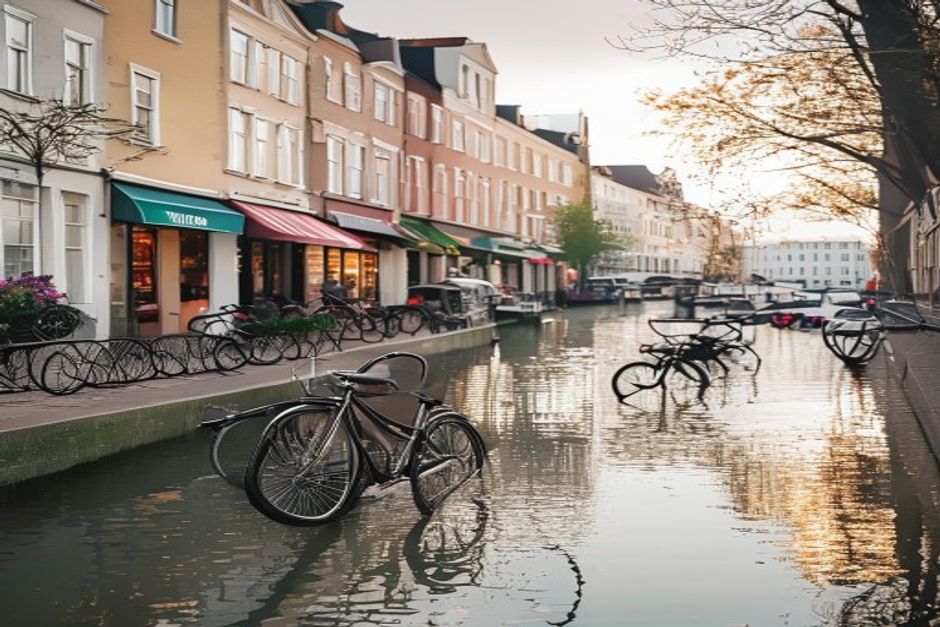
Military Activities and Economic Sectors of Denmark
In the primary sector, resources are extracted for military use, like metals for weapons. The secondary sector focuses on manufacturing military equipment, such as tanks and aircraft. The tertiary sector includes services provided by the military, like training and logistics. The quaternary sector involves research and development for new technologies, while the quinary sector deals with high-level military decision-making and strategy.
In Denmark, the military expenditure for 2023 is $8,144.9 million, which is 1.41% of the country’s GDP. The active military force has 14,500 personnel, giving a ratio of 10.1 active military members per 1,000 people. This data shows how the military is supported by various economic activities in the country.
Biggest company in Denmark
Which is the biggest company in Denmark? It’s Novo Nordisk, a leader in the pharmaceuticals and biotech industry. Founded in 1923, it has a market value of approximately $194 billion as of 2026 (companiesmarketcap.com). The company focuses on developing treatments for diabetes and other chronic diseases.International Trade of Denmark
Import Activities of Denmark
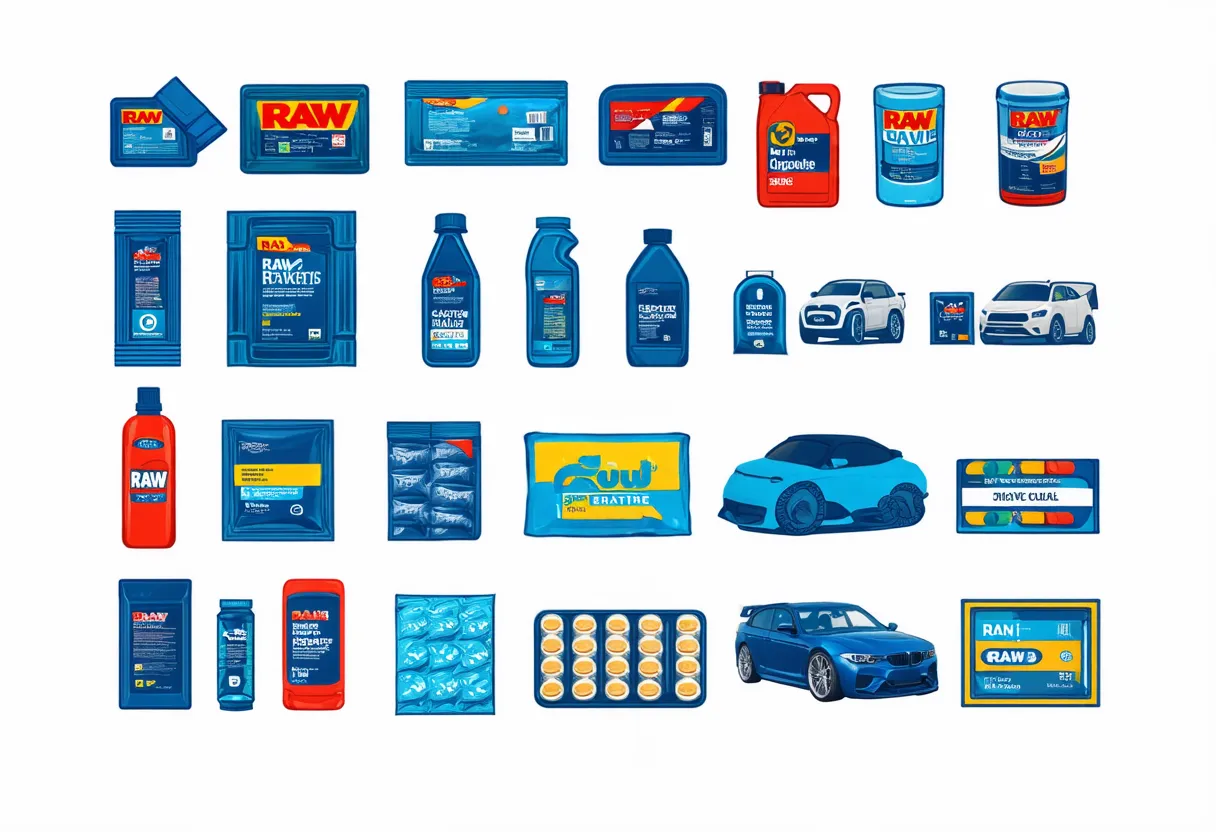 Denmark’s import activities are crucial, with total imports in 2023 amounting to $126.4 billion, accounting for 58.92% of its GDP.Denmark’s import activities are diverse, with key partners like Germany, Sweden, China, the Netherlands, and Norway. Import commodities include garments, cars, refined petroleum, electricity, and packaged medicine.
Exports Activities of Denmark
 Denmark’s export activities in 2023 totaled $136.07 billion, representing 70.01% of its GDP. With such a high percentage, exports play a crucial role in driving the country’s economy, indicating a high level of importance.Denmark’s export activities are diverse, with packaged medicine, garments, fish, electricity, and refined petroleum being key commodities. Germany, the US, Sweden, the Netherlands, and Norway are major export partners, accounting for significant portions of the country’s exports.
Denmark economy challenges in 2024
In 2024, Denmark faces challenges with an aging population, increasing reliance on migrant workers, and maintaining a strong fiscal position. The high-income, trade-oriented economy is driven by pharmaceuticals and services, but the public sector’s large share of employment poses sustainability concerns. The fixed exchange rate pegged to the euro and tight labor market require careful navigation for continued growth.Sources
Last updated: August 2026


Leave a Reply