
Key Economic Insights: The economy of Yemen generates an estimated GDP of $19.10 billion ($433 per capita) supporting a population of 34.4 million. Productive output is anchored by 67.9% services, 11.8% industry and manufacturing, and 20.3% agriculture and natural resource extraction. Key merchandise exports include Manufactured goods, mineral resources, and agricultural commodities, directed primarily toward Global and regional trade partners.
As of 2024, Yemen has a population of approximately 40.6 million (World Bank estimate), ranking among the more populous countries in the Middle East. Located in the Middle East, it covers 527,970 sq. km, ranking 50th, slightly smaller than Sweden.
As of 2024, Yemen’s GDP was approximately $19.10 billion (nominal, World Bank), reflecting a challenging economic landscape shaped by years of conflict. In terms of GDP per capita, Yemen stood at approximately $433 (current US$, World Bank, 2024), among the lowest in the region.
Despite facing severe economic difficulties driven by ongoing conflict, Yemen continues to strive for growth and stability.
Yemen Economic Structure & Sector Analysis
| Economic Dimension | Official Indicator (2024–2026) | Authoritative Source |
|---|---|---|
| GDP & Macro Output | Nominal GDP: $19.10 billion | Per Capita: $433 | World Bank WDI / IMF |
| Sector Breakdown | Services: 67.9% | Industry: 11.8% | Agriculture: 20.3% | World Bank National Accounts |
| Trade & Commodities | Top Exports: Manufactured goods, mineral resources, and agricultural commodities (Total: $10.9 billion) | UN Comtrade / OEC |
| Demographics & Labor | Population: 40 | Distributed workforce across formal & primary sectors | ILO / UN Population Division |
| Strategic Trade Corridors | Leading Trade Partners: Global and regional trade partners | World Bank WITS / IMF DOTS |
- Primary activities: 20.3% of GDP (2017 est.).
- Secondary activities: 11.8% of GDP (2017 est.).
- Tertiary activities: 67.9% of GDP (2017 est.).

Primary Sector of Yemen
With 44.42% of the land dedicated to agriculture, the country produces a variety of crops and animal products. The main agricultural products include mangoes/guavas, potatoes, onions, milk, sorghum, spices, watermelons, chicken, tomatoes, and grapes.
Despite agriculture contributing 20.3% to the GDP, its significance lies in the diverse range of products and their importance to the country’s food security and agricultural sector.
The diverse geological landscape in Yemen contributes to a rich array of natural resources. These include petroleum, fish, rock salt, marble, as well as smaller deposits of coal, gold, lead, nickel, and copper. Additionally, the fertile soil in the west enhances agricultural productivity, driving economic growth in the primary sector.
As of 2023, Yemen’s oil production had fallen to around 15,000 barrels per day amid the ongoing conflict, a steep decline from pre-war levels. The country still holds an estimated 3 billion barrels in proven reserves.
Yemen’s natural gas production of 2,850 million m³ in 2020 ranks it 57th in the world.
Secondary Sector of Yemen
In Yemen, industrial products include crude oil, petroleum refining, cotton textiles, leather goods, food processing, handicrafts, aluminum products, cement, commercial ship repair, and natural gas production.
In 2023, Yemen’s total exports are dominated by industries other than manufacturing, making the contribution of manufactures to the country’s exports relatively insignificant.
Tertiary sector of Yemen
The tertiary sector in Yemen encompasses various service-oriented activities that focus on providing intangible goods such as knowledge and expertise. Key activities include restaurants, healthcare, education, banking, communication, media production, and tourism. These services play a crucial role in enhancing productivity, meeting needs, and driving economic growth in the country.
Specifically, Tourism plays a crucial role in Yemen’s economy. With around 467,000 annual tourist arrivals (2019 data), constituting 1.4% of the population, popular destinations like the historic city of Sana’a and the fortified town of Shibam attract visitors, generating income and employment opportunities.
Another example of tertiary economic activity is the mobile cellular sector, with approximately 15 million subscriptions, supporting technological growth by enhancing communication, fostering innovation, and enabling digital services.
International Trade of Yemen
Import Activities of Yemen
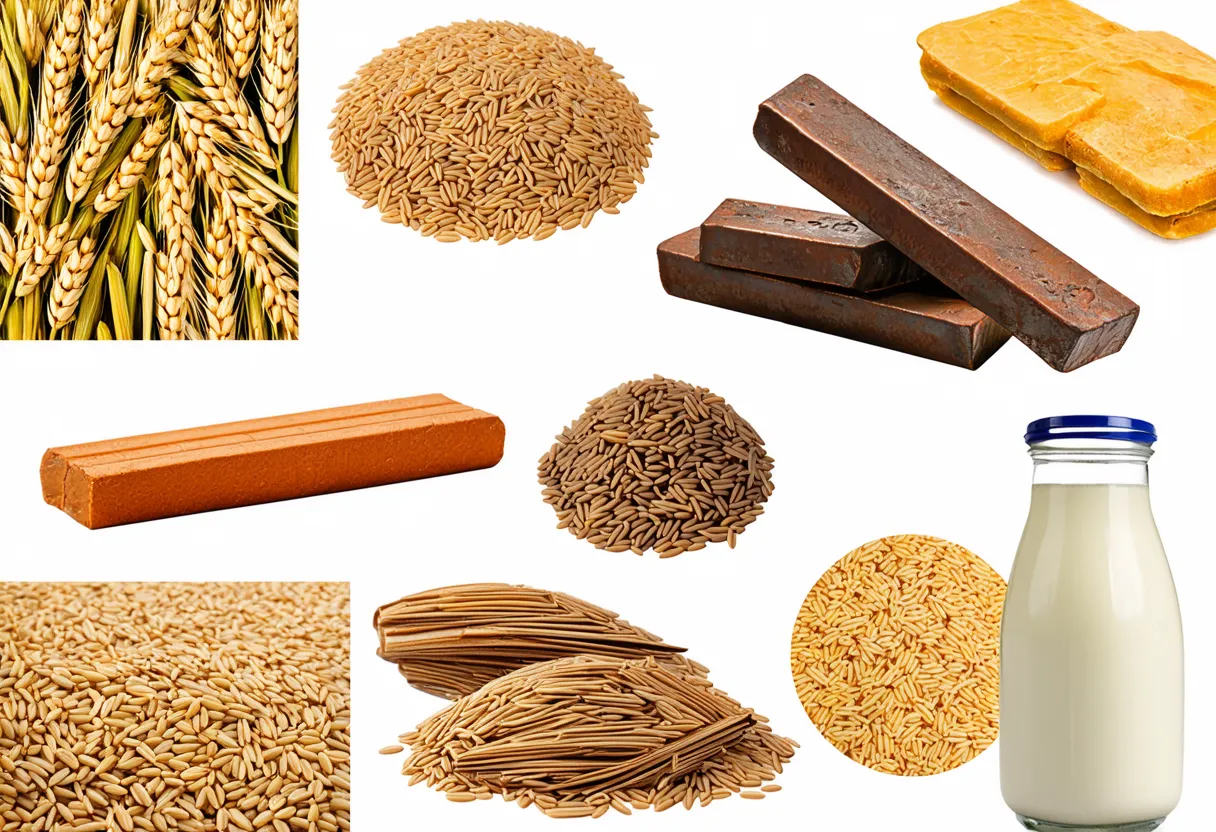
Yemen’s import activities are crucial, accounting for nearly half of its GDP, totaling $10.9 billion in 2023.
Yemen’s main import activities include sourcing wheat, raw iron bars, rice, garments, and milk. Its key import partners are China (26%), UAE (14%), Turkey (10%), India (10%), and Oman (4%).
Exports Activities of Yemen

Yemen’s total exports in 2023 reached $1.73 billion, constituting 7.9% of its GDP. With a low export contribution, diversification and growth in this sector are crucial for economic stability and development.
Yemen’s export activities are diverse, with major partners like China, Thailand, and India. The country exports crude petroleum, scrap iron, gold, fish, and shellfish, with China being the largest export partner at 32%.
Yemen economy challenges in 2024
Yemen faces ongoing challenges in 2024 due to civil war devastation, decreasing oil reserves, and high poverty, food insecurity, and unemployment rates. The country’s economy struggles with infrastructure and trade disruptions, exacerbating inflation and hindering recovery efforts.
Sources
- World Bank Data: Yemen
- IMF Data Mapper: Yemen
- Heritage Foundation: All Country Scores
- CIA World Factbook: Yemen
- Our World in Data: Human Development Index
- UN Comtrade Plus: Trade Flow
- SIPRI Military Expenditure Database
Last updated: August 2026




Leave a Reply