
Key Economic Insights: The economy of Singapore generates an estimated GDP of $547.39 billion (National Accounts Tracked per capita) supporting a population of 6,036,860. Productive output is anchored by 75.2% services, 24.8% industry and manufacturing, and 0% agriculture and natural resource extraction. Key merchandise exports include Manufactured goods, mineral resources, and agricultural commodities, directed primarily toward Global and regional trade partners.
As of 2024, Singapore has a GDP of about $547.39 billion, making it one of the world’s wealthiest economies. Its GDP per capita in 2024 is about $90,674, among the highest in the world.
Singapore’s economic position is strong, with a robust GDP and a high GDP per capita, reflecting its status as a prosperous and developed nation in the global economy.
Singapore Economic Structure & Sector Analysis
| Economic Dimension | Official Indicator (2024–2026) | Authoritative Source |
|---|---|---|
| GDP & Macro Output | Nominal GDP: $547.39 billion | Per Capita: National Accounts Tracked | World Bank WDI / IMF |
| Sector Breakdown | Services: 75.2% | Industry: 24.8% | Agriculture: 0% | World Bank National Accounts |
| Trade & Commodities | Top Exports: Manufactured goods, mineral resources, and agricultural commodities (Total: $422.4 billion) | UN Comtrade / OEC |
| Demographics & Labor | Population: 6,036,860 | Distributed workforce across formal & primary sectors | ILO / UN Population Division |
| Strategic Trade Corridors | Leading Trade Partners: Global and regional trade partners | World Bank WITS / IMF DOTS |
- Primary activities: 0% of GDP.
- Secondary activities: 24.8% of GDP.
- Tertiary activities: 75.2% of GDP.
Primary Sector of Singapore
Singapore’s primary sector, particularly its agricultural activities, is limited due to its small land area and urbanization. With only 0.92% of land dedicated to agriculture, the country produces a variety of crops and animal products. The main agricultural products include chicken, eggs, pork, vegetables, duck, spinach, pork offal, pork fat, cabbages, and lettuce.
Despite agriculture contributing only 0% to the GDP, these products are vital for food security and self-sufficiency. The sector plays a crucial role in ensuring a diverse and sustainable food supply for the population.
The country’s geological diversity, ranging from coastal regions to deep sea, influences its abundant natural resources. Fish from its waters and deepwater ports play a critical role in driving the economy, supporting industries like fishing, shipping, and trade.Secondary Sector of Singapore
In Singapore, major industrial products include electronics, chemicals, petroleum refining, biomedical products, processed food, ship repair, and telecommunications equipment. Other notable products are oil drilling equipment, scientific instruments, offshore platform construction, and entrepot trade services.Manufactures play a crucial role in Singapore’s total exports, accounting for 73.07% in 2023. This highlights the significant contribution of the manufacturing sector to the country’s economy and global trade.Tertiary sector of Singapore
Military Activities and Economic Sectors of Singapore
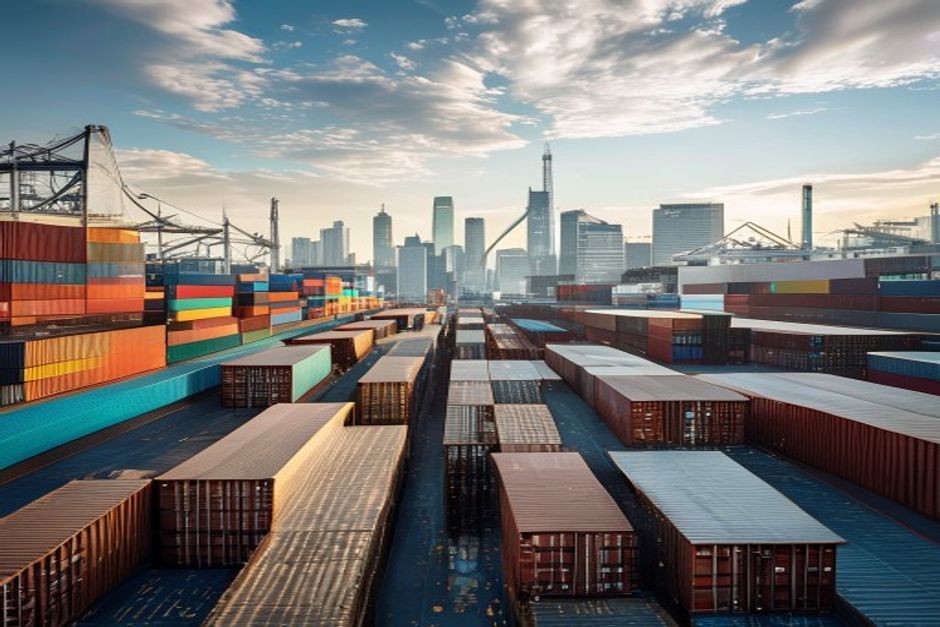
In Singapore, the primary sector helps provide resources needed for military use. The secondary sector focuses on manufacturing equipment and weapons. The tertiary sector includes services like training and support, while the quaternary sector is involved in research and development for better technology.
As of 2024, Singapore’s military expenditure was about 15.3 billion US dollars, which is about 2.84% of its GDP. The country has an active military force of 51,000 personnel, giving it 51.9 active military members for every 1,000 people. This shows how deeply the military is connected to various economic activities in Singapore.
International Trade of Singapore
Import Activities of Singapore
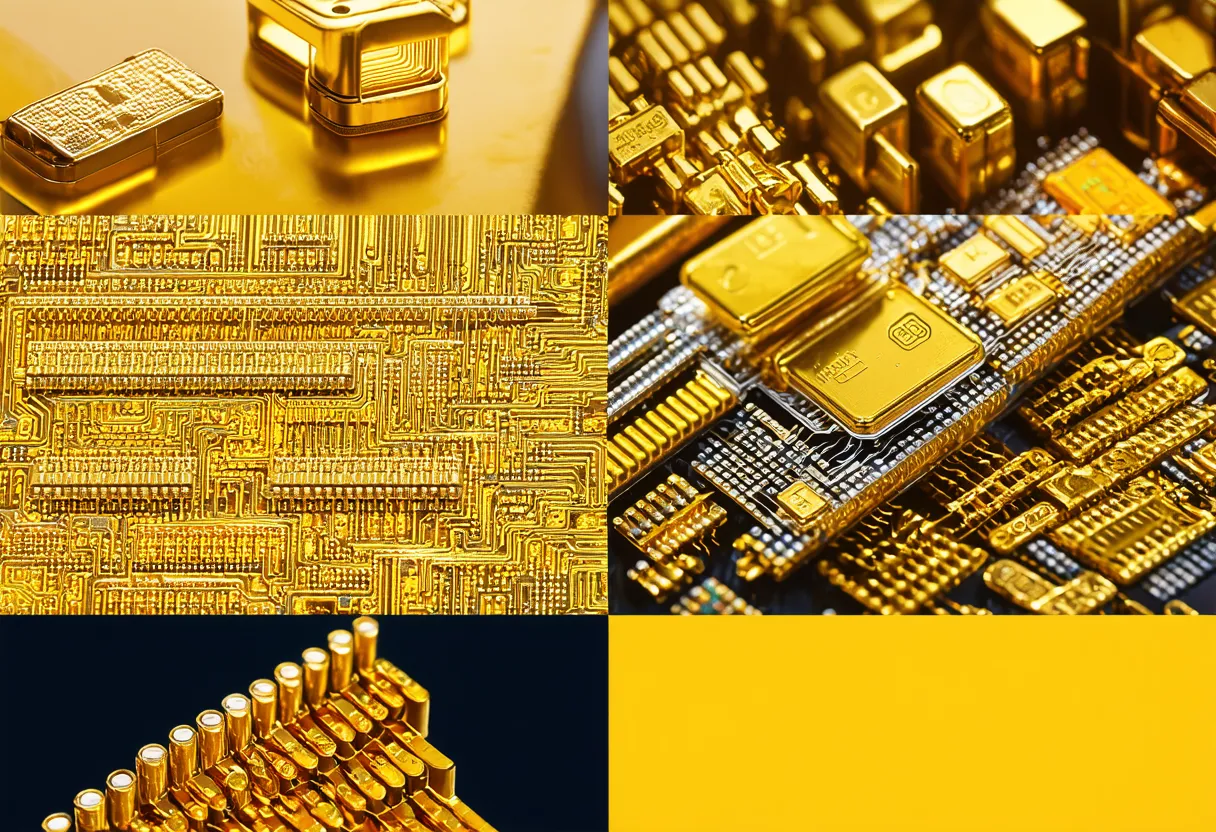 As of 2023, Singapore’s merchandise imports totaled about $422.4 billion, equivalent to roughly 84% of its GDP.Singapore’s import activities are diverse, with key partners like China, Malaysia, and the US. Import commodities include integrated circuits, petroleum, gold, and machinery.
Exports Activities of Singapore
 As of 2023, Singapore’s merchandise exports reached about $475.3 billion, accounting for roughly 95% of its GDP. This reflects the crucial role export activities play in driving Singapore’s economy and global trade.Singapore engages in diverse export activities, with top partners like Hong Kong, China, and Malaysia. Key exports include integrated circuits, refined petroleum, machinery, gold, and gas turbines.
Singapore economy challenges in 2024
Singapore, a high-income economy, faces challenges in 2024 with rising competition in financial markets and the need to adapt to changing global trade dynamics. The country’s focus on business-driven regulations may require adjustments to maintain its competitive edge. Continued investment in education is crucial to meet evolving industry demands and sustain its position as a key exporter of electronics, oil, and chemicals.Sources
- World Bank Data: Singapore
- IMF: Singapore
- CIA World Factbook: Singapore
- Singapore Department of Statistics (SingStat)
- UN Comtrade Plus: Trade Flow
Last updated: August 2026


Leave a Reply